Scientists create world’s smallest programmable robots, share pics
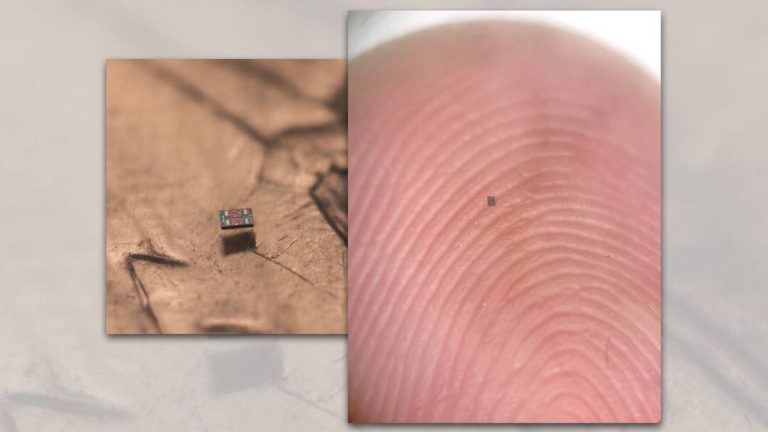
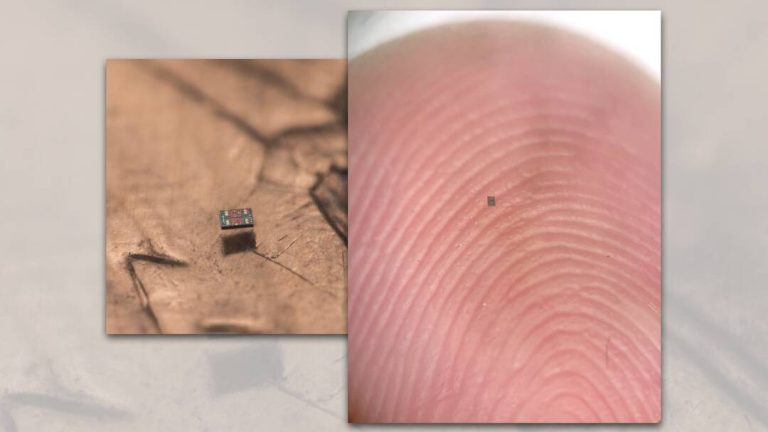
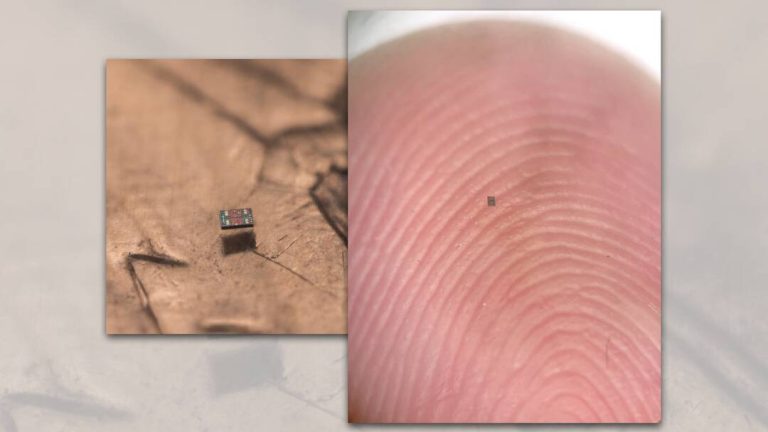
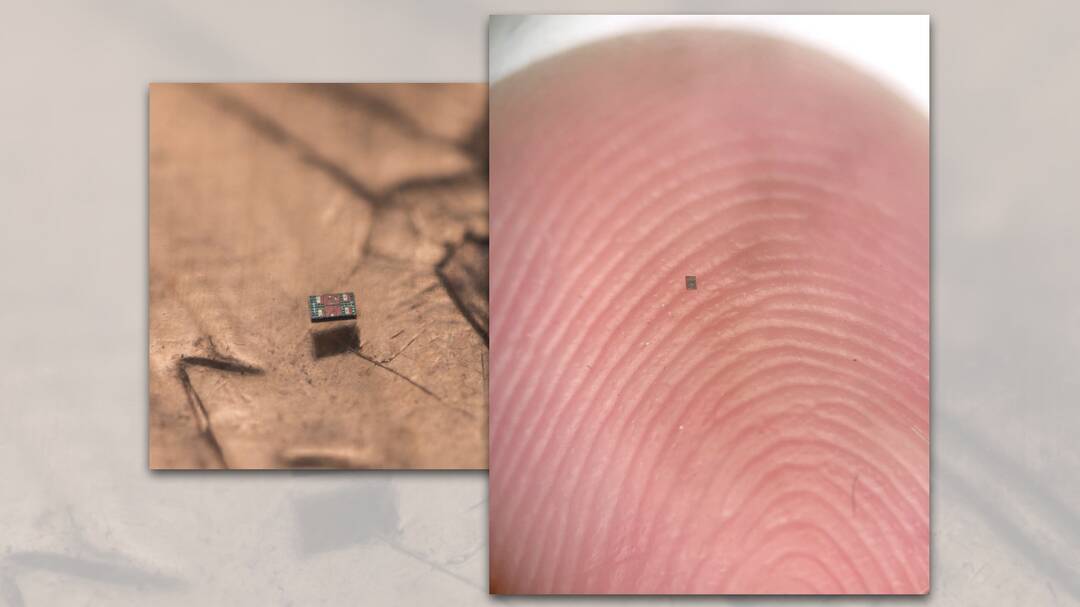
In a groundbreaking achievement, researchers from the Universities of Pennsylvania and Michigan have successfully created the world’s smallest fully programmable and autonomous robots. These microscopic swimming machines are capable of independently sensing and responding to their surroundings, paving the way for a new era of miniaturized robotics. The robots, which measure a mere 0.2 by 0.3 by 0.05 millimeters, are barely visible to the naked eye and can be produced at a cost of just one penny per unit.
The development of these tiny robots is a significant breakthrough in the field of robotics, as it enables the creation of machines that can operate at the microscale. This could have a wide range of applications, from medical devices to environmental monitoring. The robots are designed to swim through fluids, allowing them to navigate through complex environments and interact with their surroundings in a highly controlled manner.
According to the researchers, the robots are equipped with a range of sensors and actuators that enable them to detect and respond to changes in their environment. This allows them to adapt to different situations and make decisions based on the information they receive. The robots are also highly maneuverable, able to change direction and speed in response to changing conditions.
One of the key challenges in developing these tiny robots was finding a way to power them. The researchers solved this problem by using a novel propulsion system that utilizes the surrounding fluid to generate motion. This approach eliminates the need for traditional motors or batteries, allowing the robots to be incredibly small and lightweight.
The potential applications of these miniature robots are vast and varied. In the medical field, they could be used to deliver targeted therapies or diagnose diseases at the cellular level. In environmental monitoring, they could be used to track the movement of pollutants or monitor water quality. They could also be used in search and rescue operations, navigating through rubble or debris to locate survivors.
The researchers behind the project are excited about the possibilities that these tiny robots offer. “These microscopic swimming machines can independently sense and respond to their surroundings,” they stated. “This is a major breakthrough in the field of robotics, and we believe that it has the potential to revolutionize a wide range of industries.”
The development of these robots is also a testament to the power of collaboration and interdisciplinary research. The project was a joint effort between researchers from the Universities of Pennsylvania and Michigan, and it brought together experts from a range of fields, including robotics, materials science, and biology.
The researchers have shared pictures of the robots, which show their incredibly small size and complex design. The images are a fascinating glimpse into the world of miniaturized robotics, and they demonstrate the incredible progress that has been made in this field.
In conclusion, the creation of the world’s smallest fully programmable and autonomous robots is a major achievement that has the potential to revolutionize a wide range of industries. These tiny machines are capable of independently sensing and responding to their surroundings, and they could have a significant impact on fields such as medicine, environmental monitoring, and search and rescue operations. With their incredibly small size and low cost, they are an exciting example of the potential of miniaturized robotics to transform our world.
News Source: https://www.seas.upenn.edu/stories/penn-and-umich-create-worlds-smallest-programmable-autonomous-robots/
About the Author