Scientists create world’s smallest programmable robots, share pics
In a groundbreaking achievement, researchers from the Universities of Pennsylvania and Michigan have successfully created the world’s smallest fully programmable and autonomous robots. These microscopic swimming machines are capable of independently sensing and responding to their surroundings, paving the way for a new era of innovation in robotics and artificial intelligence.
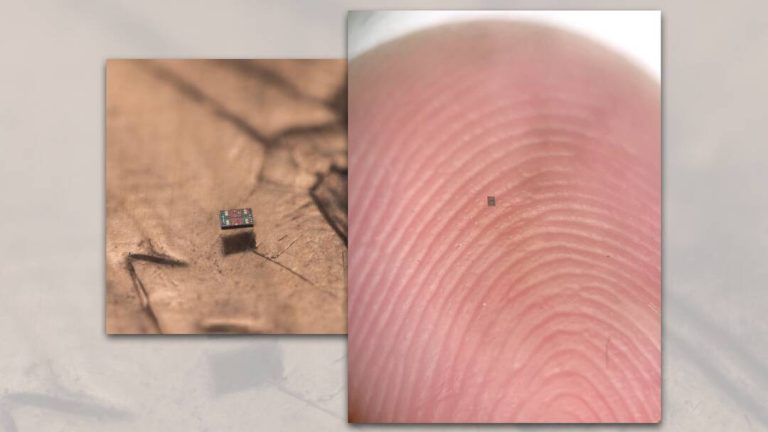
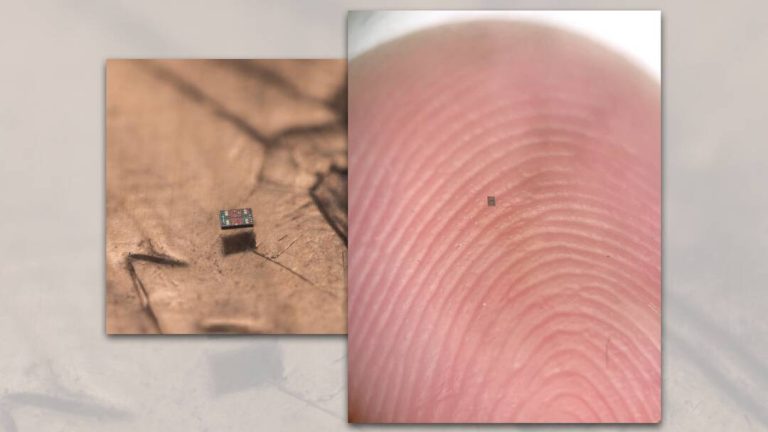
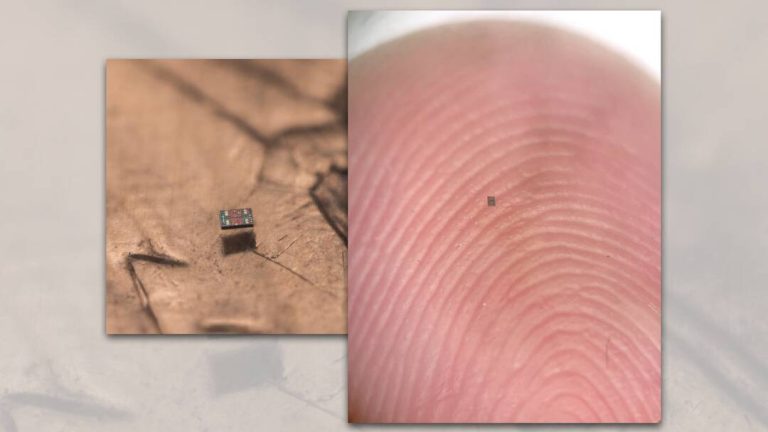
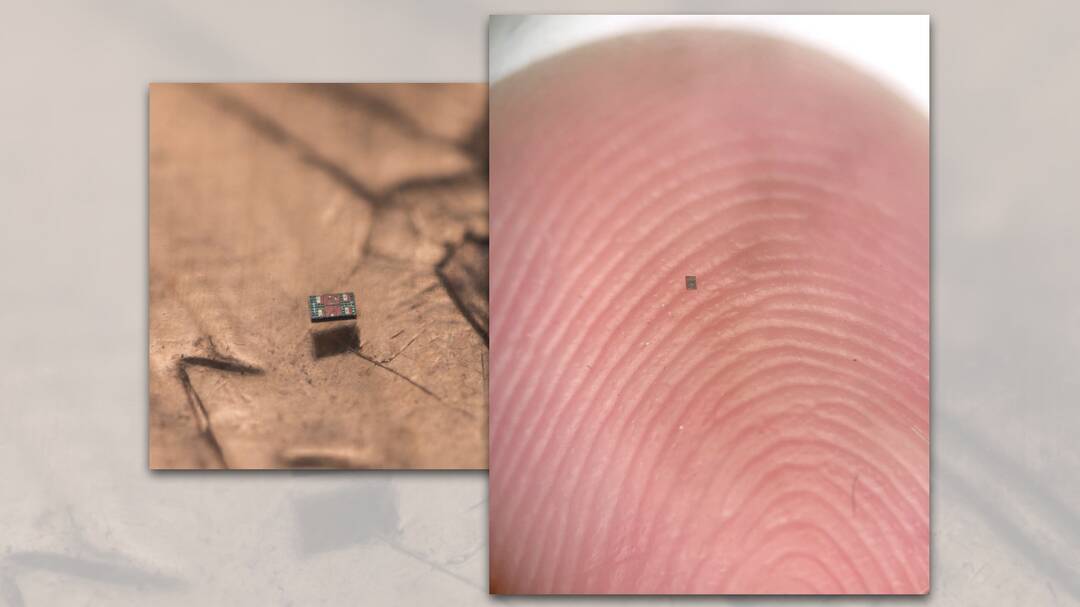
The robot, which is barely visible to the naked eye, measures a mere 0.2 by 0.3 by 0.05 millimeters, making it one of the smallest machines ever built. Despite its tiny size, the robot is fully programmable and can be controlled to perform a variety of tasks, from swimming through fluids to interacting with its environment.
One of the most striking features of these robots is their ability to sense and respond to their surroundings. Equipped with advanced sensors and algorithms, the robots can detect changes in their environment and adjust their behavior accordingly. This allows them to navigate through complex spaces and interact with other objects in a highly autonomous manner.
The development of these microscopic robots is a significant breakthrough in the field of robotics, with potential applications in a wide range of areas, including medicine, environmental monitoring, and industrial automation. For example, these robots could be used to deliver targeted therapies to specific cells or tissues, or to monitor water quality in real-time.
The cost of producing these robots is also remarkably low, with each unit costing just a penny. This makes them highly accessible and affordable, even for large-scale applications. The low cost and high programmability of these robots make them an attractive option for a wide range of industries and applications.
The researchers behind this innovation have shared pictures of the robots, giving us a glimpse into the incredible world of microscopic machinery. The images show the robots in various states of operation, from swimming through fluids to interacting with other objects. The level of detail and precision in these images is a testament to the advanced technology and expertise that has gone into developing these robots.
The collaboration between the Universities of Pennsylvania and Michigan has been instrumental in the development of these robots. The researchers from both institutions have worked together to design, build, and test the robots, bringing their expertise and knowledge to the table. The result is a truly groundbreaking achievement that has the potential to revolutionize the field of robotics and beyond.
The creation of these microscopic robots is not only a significant technological achievement but also a testament to human ingenuity and innovation. As we continue to push the boundaries of what is possible with technology, we are constantly reminded of the incredible potential that exists at the intersection of science, engineering, and imagination.
In conclusion, the development of the world’s smallest fully programmable and autonomous robots is a major breakthrough that has the potential to transform a wide range of industries and applications. With their advanced sensors, algorithms, and low cost, these robots are poised to make a significant impact on the world of robotics and beyond. As we look to the future, it will be exciting to see how these robots are used and what new innovations they will enable.
News Source: https://www.seas.upenn.edu/stories/penn-and-umich-create-worlds-smallest-programmable-autonomous-robots/
About the Author