Scientists create world’s smallest programmable robots, share pics
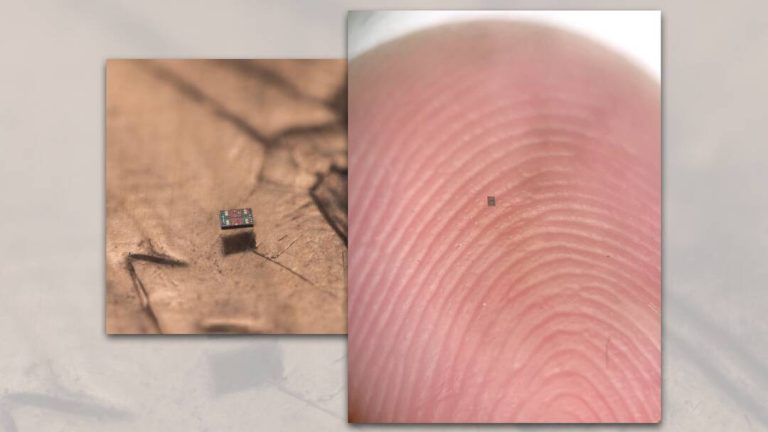
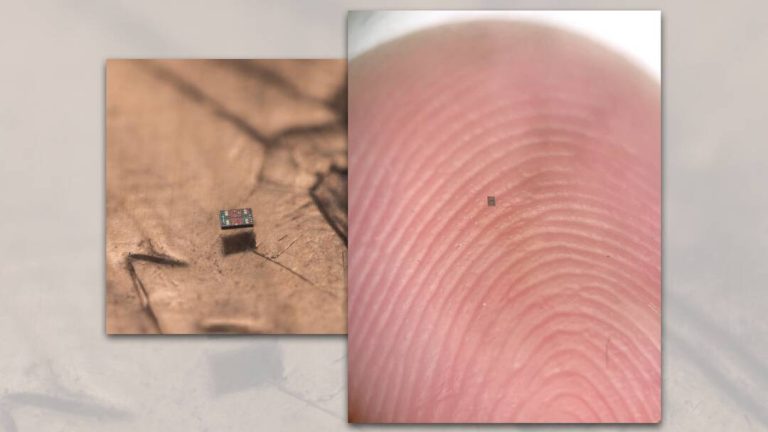
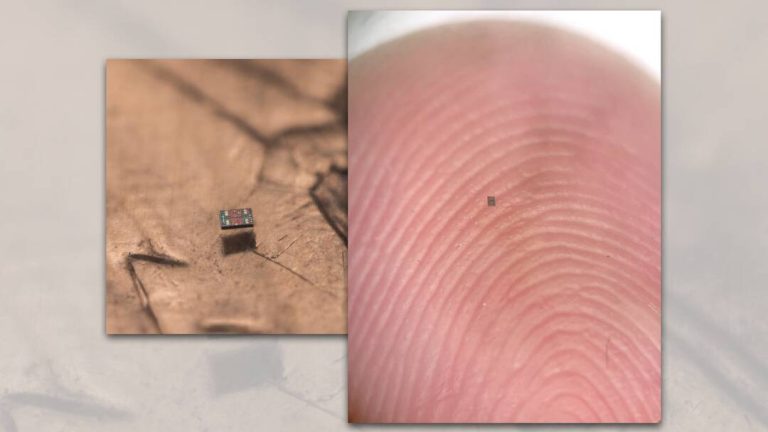
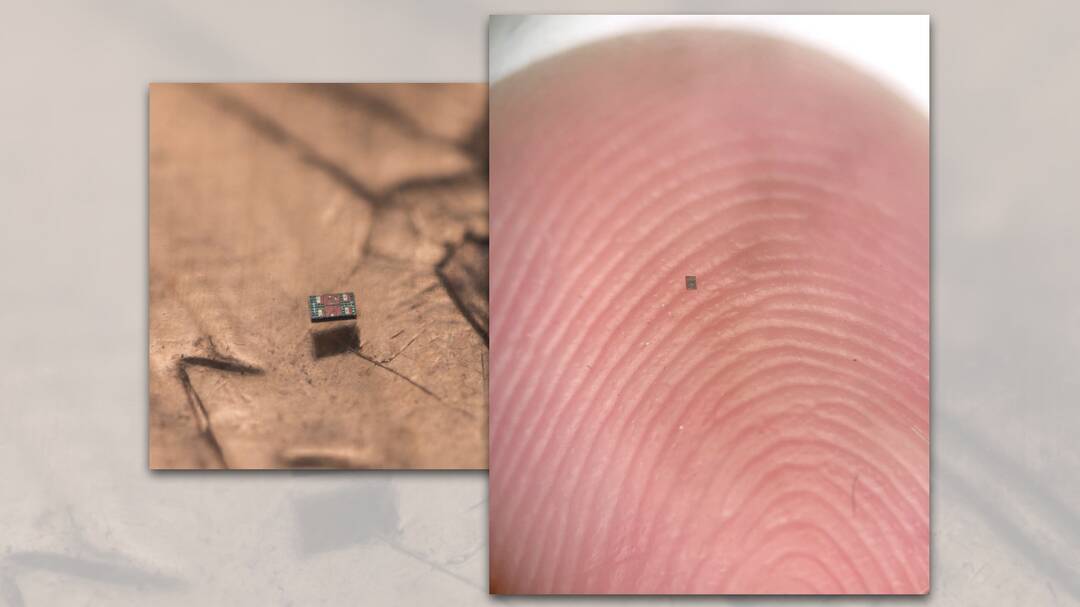
In a groundbreaking achievement, researchers from the Universities of Pennsylvania and Michigan have successfully created the world’s smallest fully programmable and autonomous robots. These microscopic swimming machines are capable of independently sensing and responding to their surroundings, paving the way for a new era of robotics and artificial intelligence. The robots, which are barely visible to the naked eye, measure a mere 0.2 by 0.3 by 0.05 millimeters and can be produced at a cost of just one penny per unit.
The development of these tiny robots is a significant milestone in the field of robotics, as it demonstrates the potential for creating complex systems that can operate at the microscale. The researchers behind this achievement have stated that their creation can “independently sense and respond to their surroundings,” which opens up a wide range of possibilities for applications in fields such as medicine, environmental monitoring, and materials science.
One of the most impressive aspects of these robots is their ability to swim through fluids, allowing them to navigate through complex environments and interact with their surroundings in a highly dynamic way. This is made possible by the use of a novel propulsion system that uses electromagnetic fields to generate movement. The robots are also equipped with sensors that enable them to detect changes in their environment, such as temperature, pH, and chemical composition.
The potential applications of these tiny robots are vast and varied. For example, they could be used to deliver targeted therapies to specific locations within the body, or to monitor water quality in real-time. They could also be used to study the behavior of microorganisms in their natural environments, or to develop new materials with unique properties.
The development of these robots is also a testament to the power of interdisciplinary research and collaboration. The team of researchers involved in this project includes experts from a range of fields, including robotics, materials science, and electrical engineering. By combining their expertise and knowledge, they were able to overcome the significant technical challenges involved in creating such a small and complex system.
The cost-effectiveness of these robots is also an important factor, as it makes them accessible to a wide range of researchers and organizations. At a cost of just one penny per unit, these robots could be used in large numbers to perform complex tasks, such as environmental monitoring or search and rescue operations.
The researchers have also shared pictures of their creation, which provide a glimpse into the incredible complexity and sophistication of these tiny machines. The images show the robots in various states of operation, including swimming through fluids and interacting with their surroundings.
In conclusion, the creation of the world’s smallest fully programmable and autonomous robots is a significant achievement that has the potential to revolutionize a wide range of fields. The ability of these robots to independently sense and respond to their surroundings, combined with their low cost and small size, makes them an exciting and powerful tool for researchers and organizations around the world.
As research in this area continues to advance, we can expect to see even more impressive developments in the field of robotics and artificial intelligence. The potential applications of these tiny robots are vast and varied, and it will be exciting to see how they are used to solve real-world problems and improve our understanding of the world around us.
For more information on this groundbreaking achievement, please visit the University of Pennsylvania’s website, which features a detailed article on the development of these tiny robots, including pictures and videos of them in operation.
News Source: https://www.seas.upenn.edu/stories/penn-and-umich-create-worlds-smallest-programmable-autonomous-robots/
About the Author