Scientists create world’s smallest programmable robots, share pics
The field of robotics has witnessed tremendous advancements in recent years, with innovations ranging from humanoid robots to miniature machines that can navigate through the human body. However, a team of researchers from the Universities of Pennsylvania and Michigan has taken the concept of miniaturization to a whole new level by creating the world’s smallest fully programmable and autonomous robots. These microscopic swimming machines can independently sense and respond to their surroundings, opening up new avenues for applications in fields such as medicine, environmental monitoring, and more.
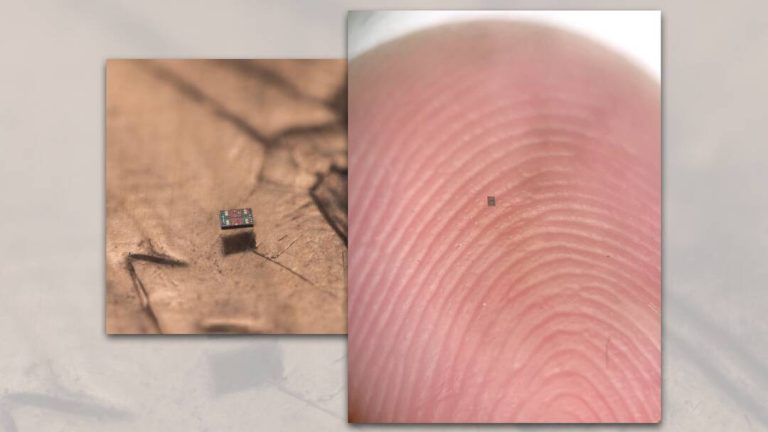
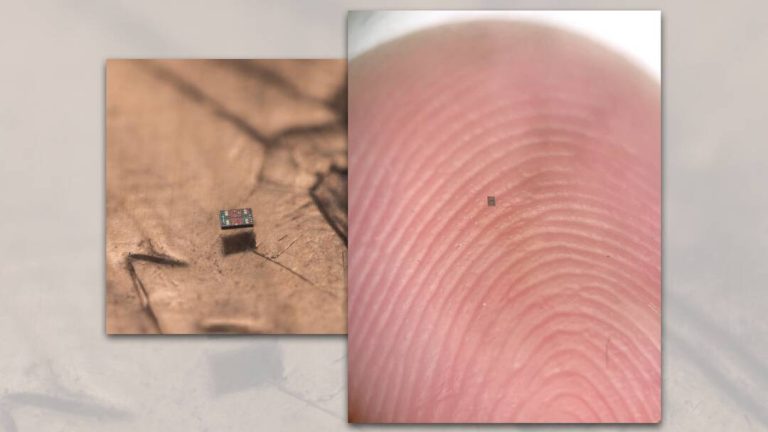
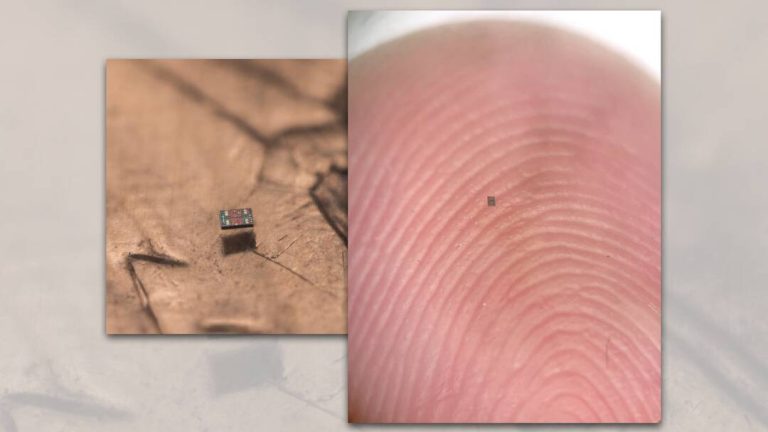
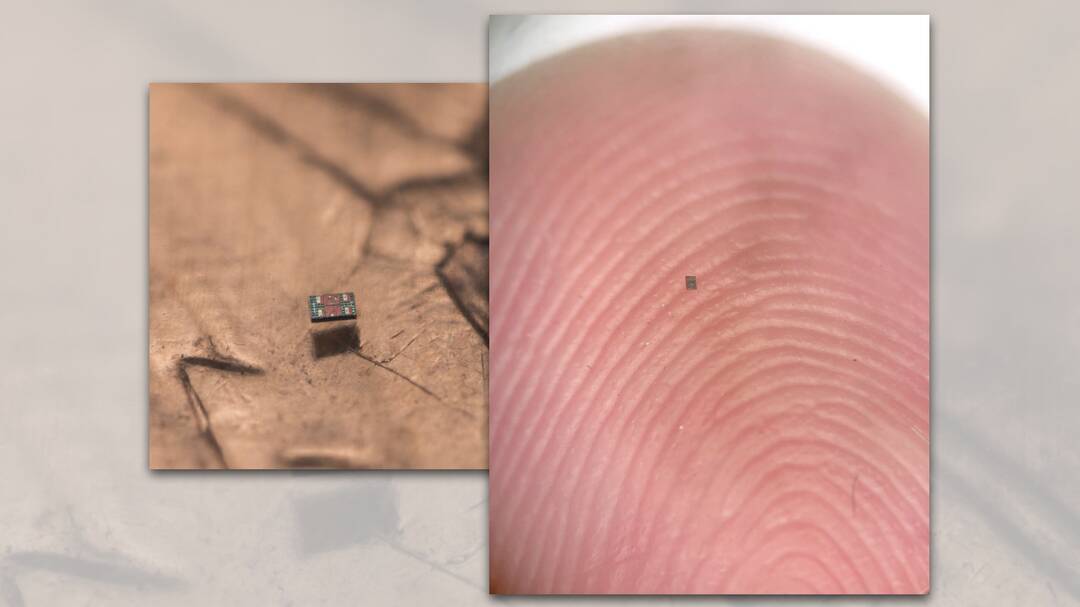
The robot, which is barely visible to the naked eye, measures a mere 0.2 by 0.3 by 0.05 millimeters in size. To put that into perspective, it is smaller than a grain of salt and can fit comfortably on the tip of a human hair. Despite its incredibly small size, the robot is fully programmable, allowing researchers to instruct it to perform a variety of tasks. The cost of producing these tiny robots is also remarkably low, with each unit costing approximately one penny.
The development of these microscopic robots is a significant breakthrough in the field of robotics, as it pushes the boundaries of what is thought to be possible in terms of miniaturization. The robots are designed to swim through fluids, using a unique propulsion system that allows them to move independently. This capability enables them to navigate through complex environments, such as the human body, and perform tasks that would be impossible for larger robots.
One of the key features of these robots is their ability to sense and respond to their surroundings. They are equipped with sensors that allow them to detect changes in their environment, such as temperature, pH, or the presence of certain chemicals. This capability enables them to adapt to different situations and perform tasks that require real-time feedback. For example, they could be programmed to release medication in response to specific chemical signals or to change direction in response to changes in temperature.
The potential applications of these microscopic robots are vast and varied. In the field of medicine, they could be used to deliver targeted therapy to specific areas of the body, reducing the risk of side effects and improving treatment outcomes. They could also be used to monitor environmental pollutants, tracking changes in water or air quality in real-time. Additionally, they could be used in industrial settings, such as monitoring chemical reactions or detecting defects in materials.
The researchers behind this breakthrough are excited about the potential of their creation and are already exploring new applications for the technology. “These microscopic swimming machines can independently sense and respond to their surroundings,” they stated. “We believe that this technology has the potential to revolutionize a wide range of fields, from medicine to environmental monitoring.”
The development of these robots is also a testament to the power of collaboration in scientific research. The team of researchers from the Universities of Pennsylvania and Michigan worked together to design and build the robots, combining their expertise in fields such as robotics, materials science, and computer programming. The result is a truly innovative technology that has the potential to make a significant impact in a variety of fields.
In conclusion, the creation of the world’s smallest fully programmable and autonomous robots is a significant breakthrough in the field of robotics. These microscopic machines have the potential to revolutionize a wide range of fields, from medicine to environmental monitoring, and their low cost and versatility make them an attractive option for a variety of applications. As researchers continue to explore new uses for this technology, it will be exciting to see the impact that these tiny robots can have on our world.
About the Author