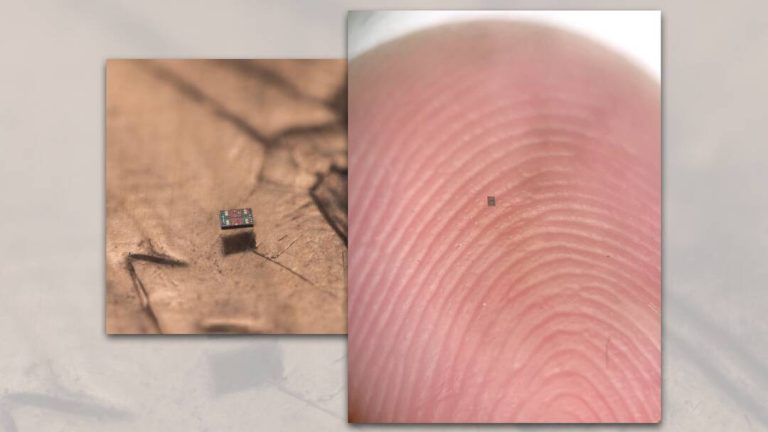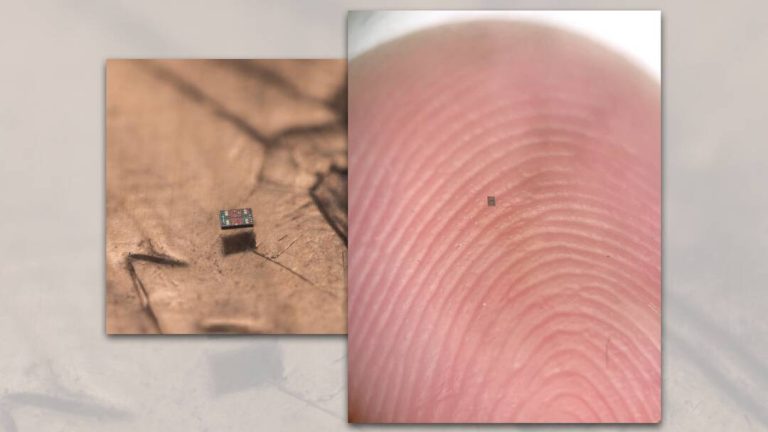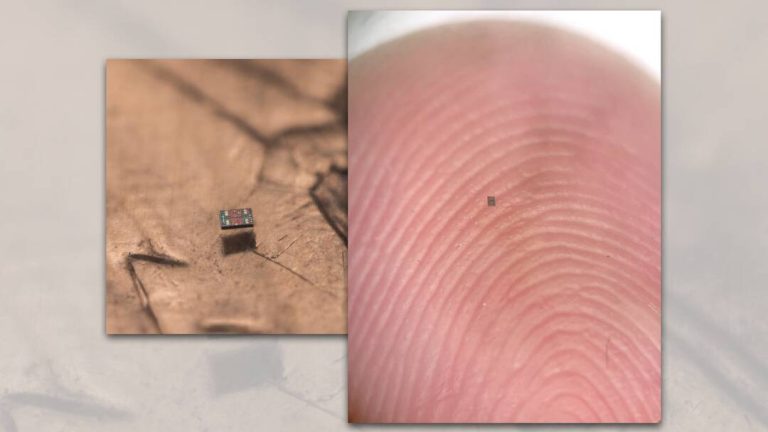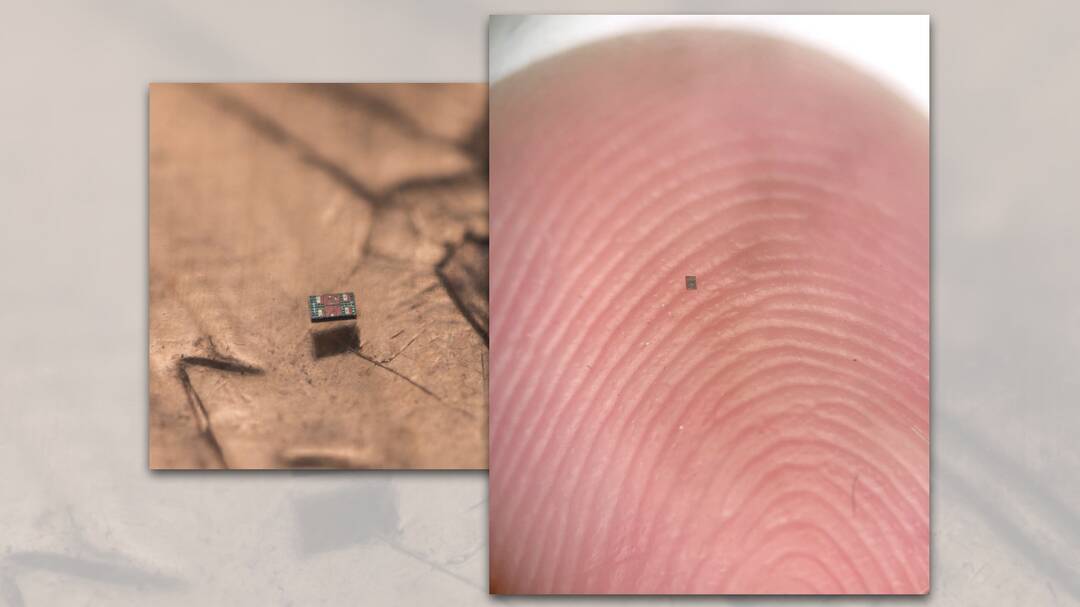
Scientists create world’s smallest programmable robots, share pics
In a groundbreaking achievement, researchers from the Universities of Pennsylvania and Michigan have successfully created the world’s smallest fully programmable and autonomous robots. These microscopic swimming machines, which are barely visible to the naked eye, have the ability to independently sense and respond to their surroundings. The robots, measuring a mere 0.2 by 0.3 by 0.05 millimeters, are an incredible feat of engineering and have the potential to revolutionize various fields of science and technology.
The researchers behind this innovation have stated that the robots are not only programmable but also autonomous, meaning they can operate independently without the need for human intervention. This is a significant breakthrough, as it allows the robots to adapt to changing environments and make decisions based on the data they collect. The robots’ ability to sense and respond to their surroundings is made possible by their advanced sensors and algorithms, which enable them to navigate and interact with their environment in a highly efficient manner.
One of the most impressive aspects of these robots is their tiny size. To put it into perspective, the robots are smaller than a grain of salt and can fit on the tip of a needle. Despite their miniature size, the robots are incredibly sophisticated and can perform a range of tasks, from swimming through fluids to interacting with other robots. The robots’ small size also makes them highly cost-effective, with each unit costing a mere penny.
The researchers used a novel approach to create the robots, employing a combination of 3D printing and microfabrication techniques. The robots’ bodies are made of a flexible polymer, which allows them to move and change shape in response to their environment. The robots are also equipped with tiny propulsion systems, which enable them to swim through fluids with ease.
The potential applications of these robots are vast and varied. They could be used in a range of fields, from medicine to environmental monitoring. For example, the robots could be used to deliver targeted therapies to specific areas of the body, or to monitor water quality in real-time. The robots could also be used in search and rescue missions, where their small size and agility would allow them to navigate through tight spaces and reach areas that are inaccessible to humans.
The researchers behind the project are excited about the potential of their creation and are already exploring new applications for the robots. They believe that the robots could have a significant impact on a range of fields and could potentially lead to breakthroughs in areas such as medicine, environmental science, and robotics.
In addition to their potential applications, the robots are also incredibly easy to manufacture. The researchers have developed a novel method for mass-producing the robots, which involves using a combination of 3D printing and microfabrication techniques. This method allows for the production of thousands of robots at a time, making it possible to deploy large swarms of robots in a variety of environments.
The development of these robots is a significant achievement and demonstrates the power of collaboration between researchers from different institutions. The project was a joint effort between researchers from the Universities of Pennsylvania and Michigan, and the results are a testament to the innovative spirit and expertise of the teams involved.
In conclusion, the creation of the world’s smallest fully programmable and autonomous robots is a groundbreaking achievement that has the potential to revolutionize a range of fields. The robots’ tiny size, advanced sensors, and ability to sense and respond to their surroundings make them an incredibly powerful tool for a variety of applications. As research continues to advance in this area, it will be exciting to see the potential applications and breakthroughs that these robots can enable.
About the Author