Ford to spend ₹1.77 lakh crore to cancel EV models; shift back to ICE, hybrid cars
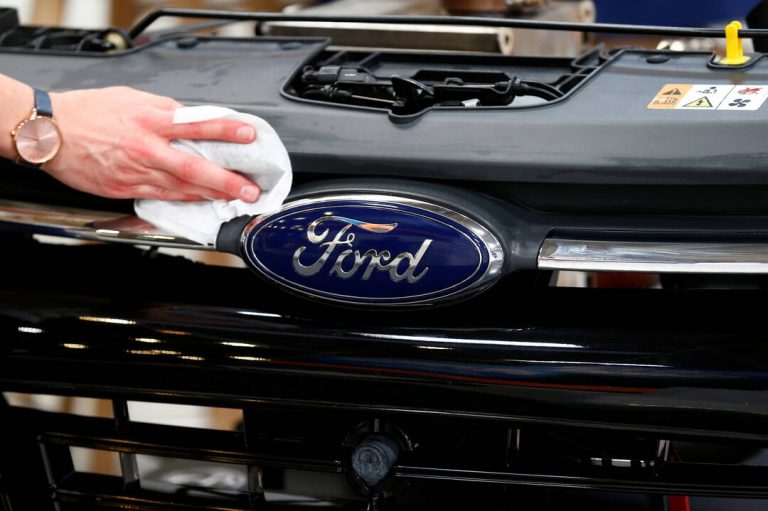
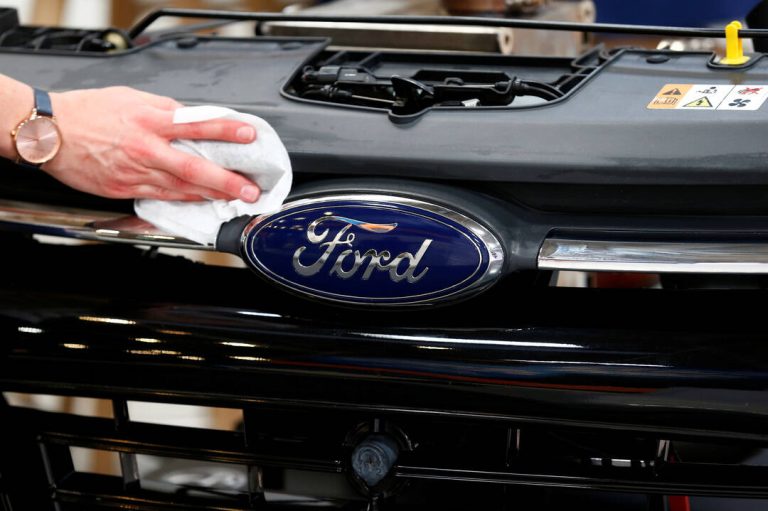
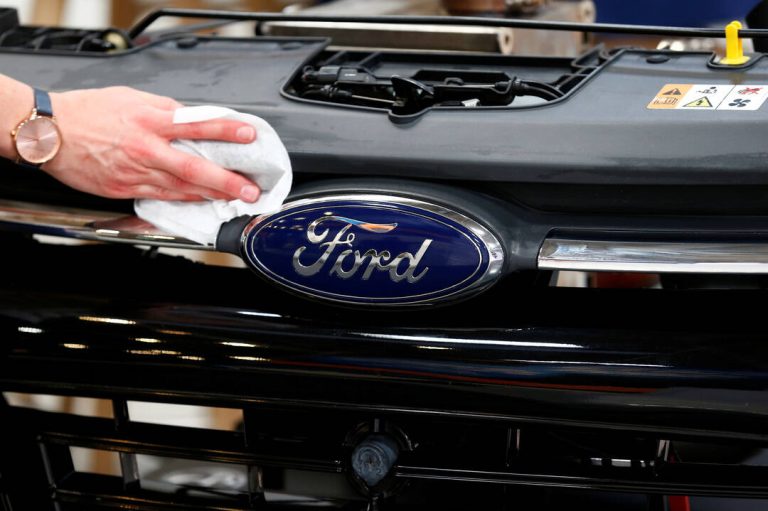
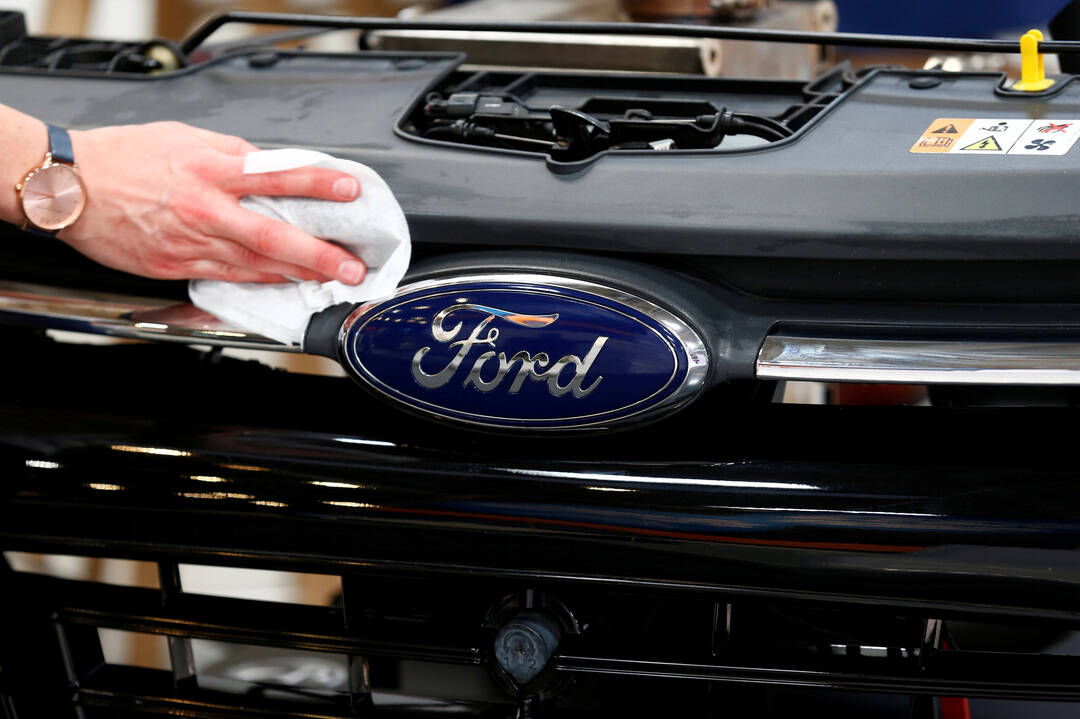
In a shocking move, Ford has announced a massive $19.5-billion (about ₹1.77 lakh crore) charge on electric-vehicle investments, a decision that is set to send ripples throughout the automotive industry. The charge, which is one of the largest in the company’s history, is a clear indication that Ford is rethinking its electric vehicle (EV) strategy and is now shifting its focus back to traditional internal combustion engine (ICE) and hybrid cars.
According to reports, about $8.5 billion of the charge is tied to costs associated with killing future EV models. This is a significant departure from the company’s previous plans, which had envisioned a major push towards electric vehicles. The decision to cancel future EV models is likely to be a major blow to the company’s fans and customers who had been eagerly waiting for new electric vehicles from the American automaker.
Another significant chunk of the charge, about $6 billion, is tied to a now-cancelled battery operation joint venture (JV) with South Korea’s SK On. The JV, which was announced with much fanfare, was supposed to be a key part of Ford’s electric vehicle plans. However, with the company now shifting its focus away from EVs, the JV has been cancelled, resulting in a significant write-down.
Perhaps the most significant aspect of Ford’s new strategy is the conversion of its flagship electric truck-manufacturing factory in Tennessee to produce models with ICE and hybrid engines. The factory, which was previously dedicated to the production of electric vehicles, will now be used to manufacture traditional gasoline-powered trucks and hybrid models. This move is a clear indication that Ford is committed to shifting its focus away from electric vehicles and back to traditional ICE and hybrid cars.
The decision to shift away from electric vehicles is likely to be a major surprise to many in the industry, given the current trend towards electrification. Many major automakers, including Ford’s competitors, have been investing heavily in electric vehicles and have announced plans to transition their entire lineups to electric powertrains in the coming years. However, Ford’s decision suggests that the company is taking a different approach, one that prioritizes traditional ICE and hybrid cars over electric vehicles.
It’s worth noting that Ford’s decision may not be entirely surprising, given the current state of the electric vehicle market. While electric vehicles have been gaining popularity in recent years, they still make up a relatively small percentage of total vehicle sales. Additionally, the production of electric vehicles is often more expensive than traditional ICE vehicles, which can make them less profitable for automakers.
Despite the challenges associated with electric vehicles, many experts believe that they are the future of the automotive industry. With governments around the world implementing stricter emissions regulations and consumers becoming increasingly environmentally conscious, the demand for electric vehicles is likely to continue to grow in the coming years.
In contrast, Ford’s decision to shift its focus away from electric vehicles may be seen as a step backwards by some. The company’s decision to cancel future EV models and convert its electric truck-manufacturing factory to produce traditional ICE and hybrid cars may be seen as a missed opportunity to capitalize on the growing demand for electric vehicles.
Ultimately, only time will tell whether Ford’s decision to shift its focus away from electric vehicles will pay off. While the company’s decision may be seen as a surprise by some, it’s clear that Ford is committed to its new strategy. As the automotive industry continues to evolve, it will be interesting to see how Ford’s decision plays out and whether the company will be able to successfully transition back to traditional ICE and hybrid cars.
News Source: https://www.reuters.com/business/autos-transportation/fords-195-billion-ev-writedown-five-things-know-2025-12-16/
About the Author