What has NASA said about pollution & stubble burning in North India?
The issue of pollution and stubble burning in North India has been a persistent concern for several years, with the region experiencing severe air quality deterioration during the winter months. The main culprit behind this pollution is the practice of stubble burning, where farmers set fire to their crop residue after harvesting, releasing large amounts of pollutants into the atmosphere. Recently, NASA has weighed in on the issue, providing valuable insights into the patterns and impact of stubble burning in North India.
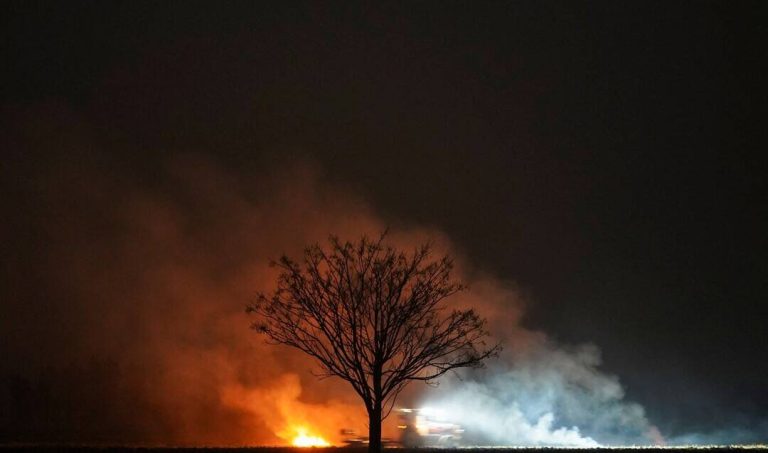
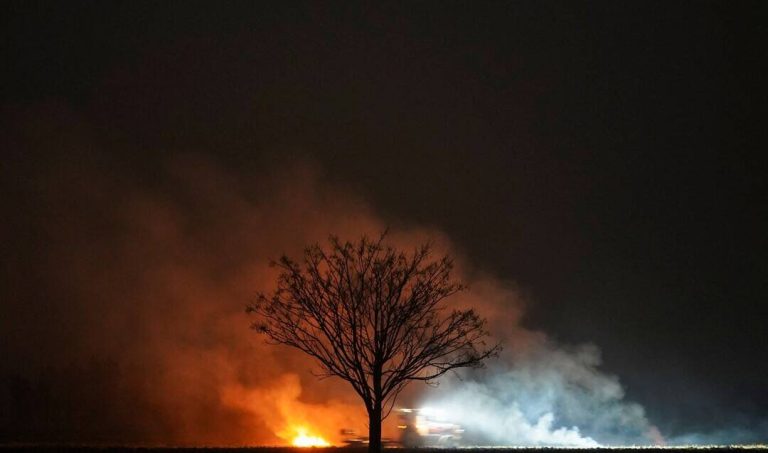
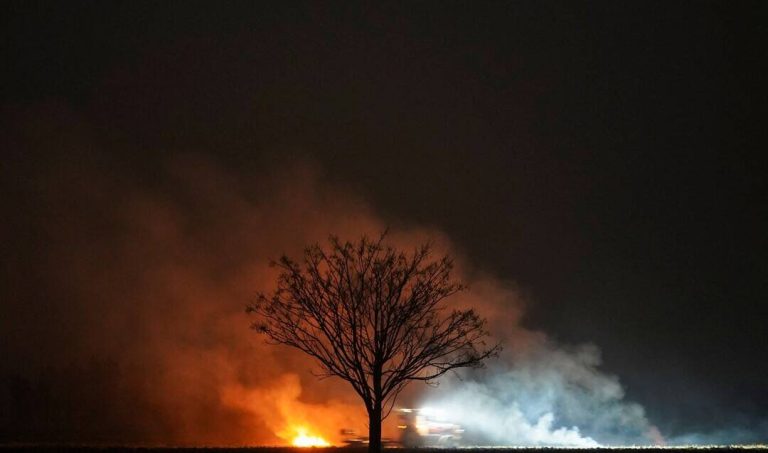
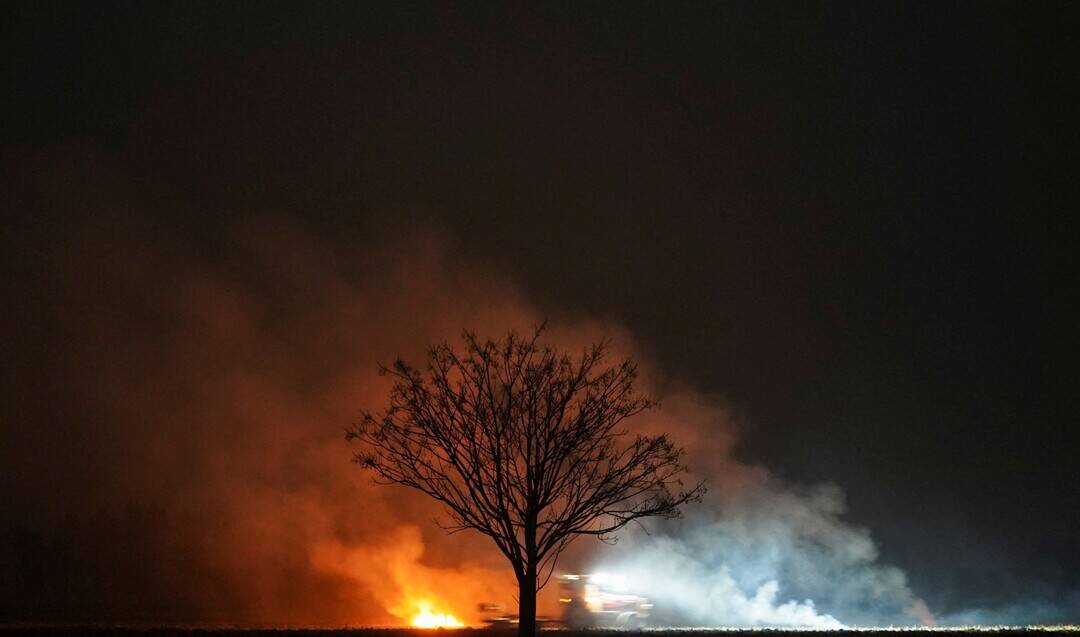
According to NASA, the overall pattern of the stubble-burning season in North India was as per predictions, with the majority of fires occurring in the states of Punjab, Haryana, and Uttar Pradesh. However, the daily timing of these fires has shifted, with farmers now burning their crop residue later in the day. This change in timing has complicated efforts to monitor the fires and their impact on air pollution, as satellite sensors are more effective at detecting fires during the daytime.
The shift in the timing of stubble burning has significant implications for air quality in the region. When farmers burn their crop residue during the day, the pollutants are released into the atmosphere and can be carried away by winds, reducing the impact on local air quality. However, when the burning occurs later in the day, the pollutants are more likely to be trapped in the atmosphere, leading to a deterioration in air quality.
The impact of stubble burning on air quality in North India is evident in the data. According to NASA, air quality deteriorated in Delhi and nearby cities for about a month after crop fires intensified in October. The city’s air quality index (AQI) soared, exceeding safe limits and posing a significant health risk to residents. The pollution was so severe that the Indian government was forced to impose restrictions on construction activities, vehicular movement, and other pollution-causing activities to mitigate the impact.
The problem of stubble burning in North India is complex and multifaceted. On the one hand, farmers are under pressure to clear their fields quickly to make way for the next crop, and burning their crop residue is the fastest and cheapest way to do so. On the other hand, the environmental and health impacts of stubble burning are significant, and the practice is contributing to the region’s severe air pollution problem.
To address the issue, the Indian government has implemented several measures, including providing financial incentives to farmers to adopt alternative methods of crop residue management, such as mulching or composting. Additionally, the government has launched initiatives to promote the use of machines that can collect and dispose of crop residue in an environmentally friendly manner.
However, more needs to be done to address the root causes of stubble burning and to mitigate its impact on air quality. This includes providing support to farmers to adopt sustainable agricultural practices, improving the efficiency of crop residue management, and enhancing the monitoring and enforcement of pollution regulations.
In conclusion, NASA’s observations on stubble burning in North India highlight the complexity and challenges of addressing the issue. While the overall pattern of the stubble-burning season was as per predictions, the shift in the daily timing of fires has complicated efforts to monitor and mitigate the impact on air pollution. The Indian government and other stakeholders must work together to develop and implement effective solutions to address the root causes of stubble burning and to reduce its impact on air quality.
The issue of pollution and stubble burning in North India is a pressing concern that requires immediate attention and action. As the region continues to grapple with the challenges of air pollution, it is essential to rely on scientific data and observations to inform policy and decision-making. NASA’s insights on stubble burning in North India are a valuable contribution to this effort, and we look forward to continued research and analysis on this critical issue.
Source: https://science.nasa.gov/earth/earth-observatory/new-timing-for-stubble-burning-in-india/
About the Author