What has NASA said about pollution & stubble burning in North India?
As the world grapples with the challenges of climate change, environmental degradation, and air pollution, the issue of stubble burning in North India has emerged as a significant concern. The practice of burning crop residue, particularly in the states of Punjab and Haryana, has been linked to severe air pollution in the region, affecting not only the local population but also neighboring cities like Delhi. Recently, NASA (National Aeronautics and Space Administration) has weighed in on the issue, providing valuable insights into the patterns and impact of stubble burning in North India.
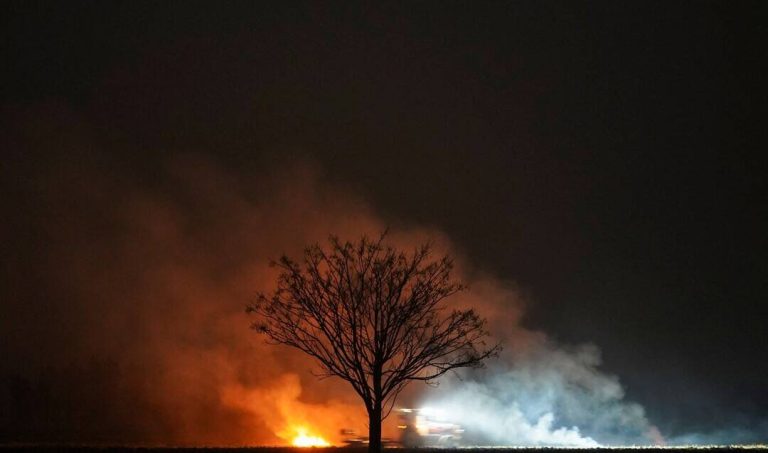
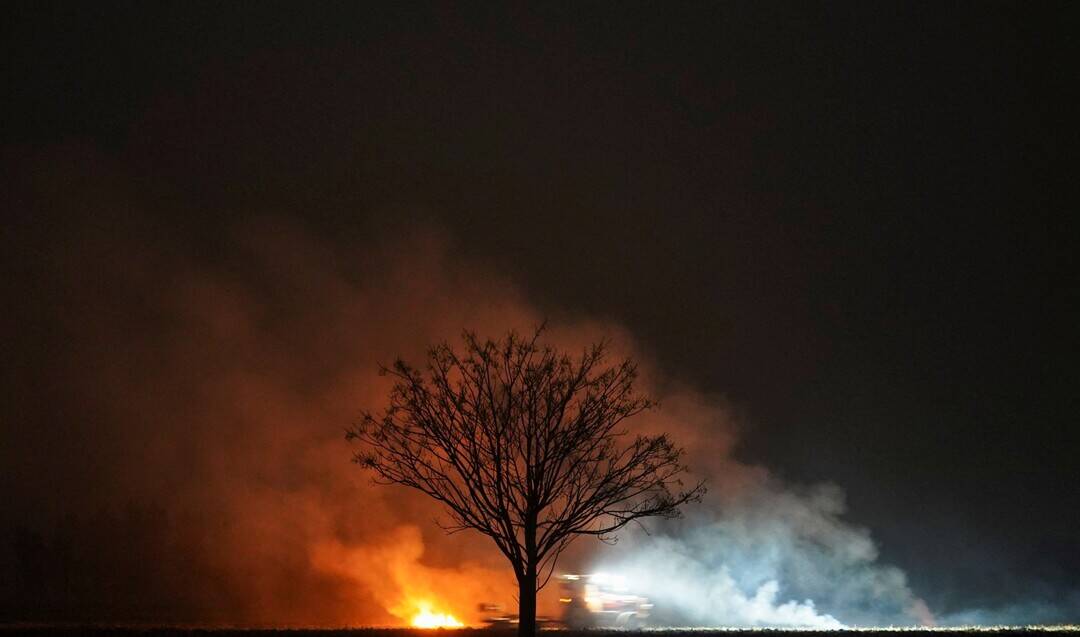
According to NASA, crop fires across northern India are being done later in the day, complicating efforts to monitor them and their impact on air pollution. The space agency noted that while the overall pattern of the stubble-burning season was as per predictions, the daily timing of fires shifted, making it more challenging to track and analyze the effects of these fires. This change in timing has significant implications for air quality monitoring and mitigation efforts.
The stubble-burning season in North India typically begins in October and lasts for several weeks. During this period, farmers in the region burn crop residue, including wheat and rice stubble, to clear their fields for the next crop cycle. While this practice may seem harmless, it releases large amounts of pollutants, including particulate matter, carbon monoxide, and volatile organic compounds, into the atmosphere. These pollutants can travel long distances, affecting not only local air quality but also contributing to regional and even global environmental problems.
NASA’s observations suggest that the air quality in Delhi and nearby cities deteriorated significantly for about a month after crop fires intensified in October. The city’s air quality index (AQI) often exceeded hazardous levels, posing serious health risks to residents, particularly children, the elderly, and those with pre-existing medical conditions. The situation is further exacerbated by the fact that Delhi is already one of the most polluted cities in the world, with high levels of particulate matter, nitrogen dioxide, and other pollutants.
The shift in the timing of stubble burning, as noted by NASA, has important implications for air quality monitoring and prediction. Traditionally, satellite sensors have been used to detect and track crop fires, but the new timing of these fires may require adjustments to these systems. Additionally, the changed timing may affect the transport of pollutants, potentially leading to more widespread and severe air quality impacts.
To address the issue of stubble burning and its effects on air pollution, the Indian government has implemented various measures, including bans on crop burning, incentives for farmers to adopt alternative practices, and investments in air quality monitoring infrastructure. However, more needs to be done to tackle this complex problem, which requires a coordinated effort from farmers, policymakers, and other stakeholders.
In recent years, there has been a growing recognition of the need to adopt sustainable agricultural practices, including zero-burning or reduced-burning techniques, to minimize the environmental impacts of farming. Some farmers in North India have begun to explore alternative methods, such as mulching or incorporating crop residue into the soil, which can help reduce pollution and improve soil health.
As the world looks to NASA and other space agencies for insights into environmental challenges, it is clear that the issue of stubble burning in North India requires sustained attention and action. By leveraging satellite data, ground-based monitoring, and collaborative research, scientists, policymakers, and farmers can work together to develop effective solutions to this pressing problem.
In conclusion, NASA’s observations on stubble burning in North India highlight the complexities and challenges associated with this issue. The shift in the timing of crop fires, the deterioration of air quality in Delhi and nearby cities, and the need for sustained efforts to address this problem all underscore the importance of continued research, monitoring, and collaboration. As we strive to mitigate the effects of pollution and environmental degradation, it is essential to recognize the critical role that space agencies like NASA play in providing valuable insights and data to inform our responses to these challenges.
Source: https://science.nasa.gov/earth/earth-observatory/new-timing-for-stubble-burning-in-india/
About the Author