Scientists create world’s smallest programmable robots, share pics
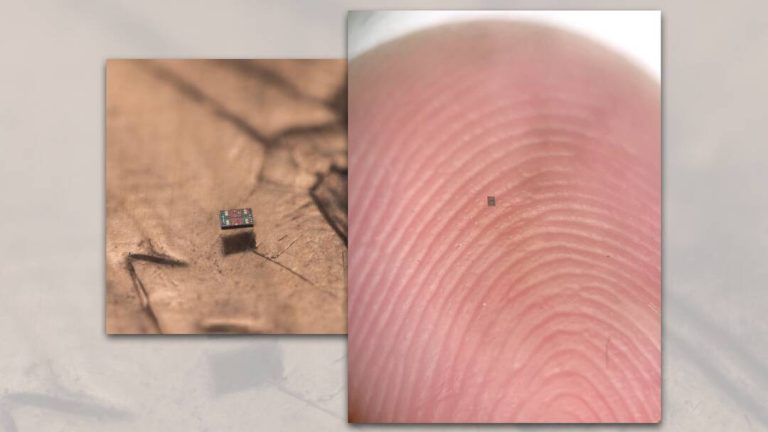
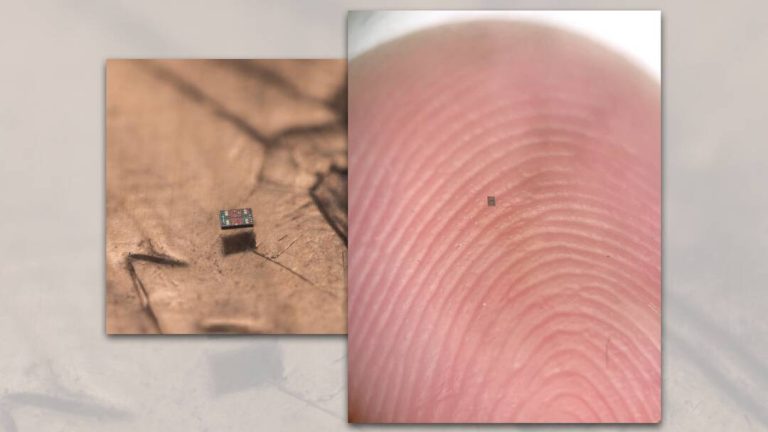
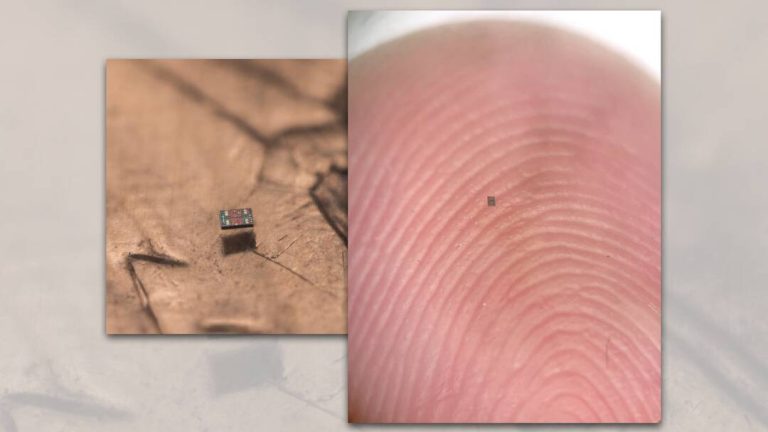
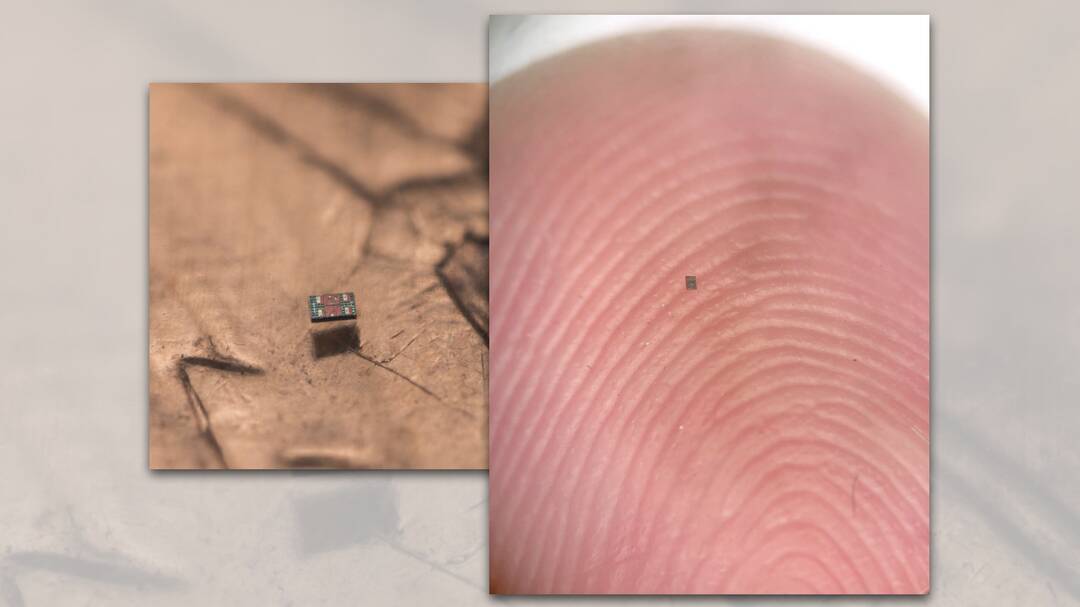
In a groundbreaking achievement, researchers from the Universities of Pennsylvania and Michigan have successfully created the world’s smallest fully programmable and autonomous robots. These microscopic machines are capable of independently sensing and responding to their surroundings, paving the way for a new era of robotics and artificial intelligence. The robots, which are barely visible to the naked eye, measure a mere 0.2 by 0.3 by 0.05 millimeters and can be produced at a cost of just one penny per unit.
The development of these tiny robots is a significant breakthrough in the field of robotics, as it enables the creation of machines that can operate at the microscale, interacting with their environment in ways that were previously impossible. The robots are equipped with a range of sensors and actuators that allow them to navigate and respond to their surroundings, making them ideal for a variety of applications, from medical devices to environmental monitoring.
According to the researchers, the robots are capable of swimming through fluids, allowing them to interact with their environment in a highly flexible and dynamic way. This ability to swim and maneuver through fluids makes them particularly well-suited for applications such as biomedical research, where they could be used to interact with cells and tissues at the microscale.
One of the key challenges in developing these tiny robots was creating a system that could be programmed and controlled. The researchers developed a novel approach to programming the robots, using a combination of magnetic fields and light to control their movements and actions. This approach allows the robots to be programmed to perform a range of tasks, from simple movements to complex interactions with their environment.
The robots are also highly autonomous, capable of operating independently for extended periods of time without the need for external control. This autonomy is made possible by the use of advanced sensors and control systems, which allow the robots to navigate and interact with their environment in real-time.
The potential applications of these tiny robots are vast and varied. In the field of medicine, they could be used to deliver drugs or other therapeutic agents to specific locations within the body. They could also be used to interact with cells and tissues, allowing for a greater understanding of the underlying biology of diseases and disorders.
In addition to their potential medical applications, the robots could also be used in a range of other fields, from environmental monitoring to industrial manufacturing. They could be used to monitor water quality, detect pollutants, or track the movement of animals and other organisms. They could also be used to assemble and manufacture tiny devices and structures, such as microelectromechanical systems (MEMS) and nanoscale machines.
The development of these tiny robots is a significant achievement, and it represents a major breakthrough in the field of robotics and artificial intelligence. The fact that they can be produced at a cost of just one penny per unit makes them highly accessible and affordable, opening up a range of new possibilities for researchers and developers.
The researchers have shared pictures of the robots, which provide a glimpse into the incredible complexity and sophistication of these tiny machines. The images show the robots in action, swimming through fluids and interacting with their environment in a highly dynamic and flexible way.
In conclusion, the creation of the world’s smallest fully programmable and autonomous robots is a groundbreaking achievement that has the potential to revolutionize a range of fields, from medicine to environmental monitoring. The fact that these robots can be produced at a cost of just one penny per unit makes them highly accessible and affordable, and their potential applications are vast and varied. As research and development in this area continues to advance, we can expect to see a wide range of new and innovative applications for these tiny robots.
News Source: https://www.seas.upenn.edu/stories/penn-and-umich-create-worlds-smallest-programmable-autonomous-robots/
About the Author