What has NASA said about pollution & stubble burning in North India?
The issue of stubble burning in North India has been a persistent concern for several years, with the practice of setting fire to crop residue contributing to severe air pollution in the region. The problem is particularly pronounced during the winter months, when the smoke from these fires combines with other pollutants to create a toxic haze that blankets cities like Delhi and its surrounding areas. Recently, NASA has weighed in on the issue, providing valuable insights into the patterns and impact of stubble burning in North India.
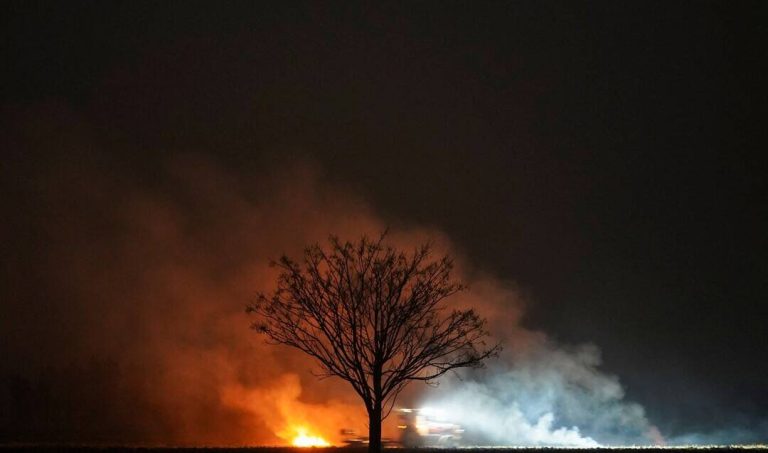
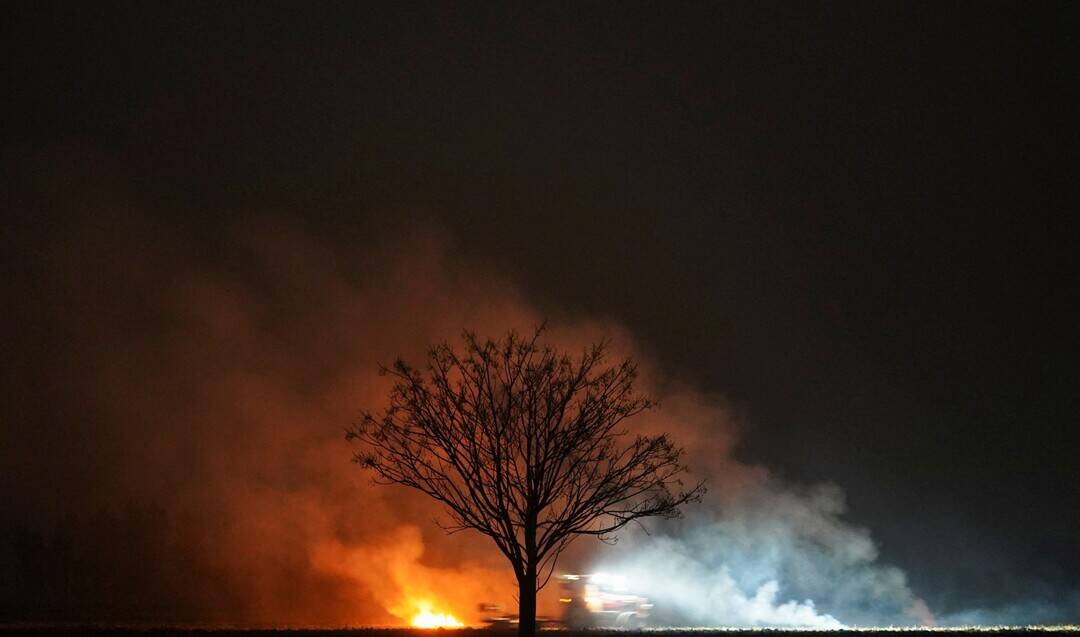
According to NASA, the timing of crop fires in northern India has shifted, with farmers now setting fires later in the day. This change in timing has complicated efforts to monitor the fires and their impact on air pollution, as satellite sensors are typically more effective at detecting fires during the daytime. The overall pattern of the stubble-burning season was largely as predicted, but the daily timing of the fires has changed, making it more challenging to track their effects.
The shift in the timing of crop fires has significant implications for air quality in the region. As the fires burn later in the day, the smoke and pollutants they release are more likely to linger in the atmosphere overnight, contributing to poorer air quality the following day. This is particularly concerning for cities like Delhi, which have already struggled with severe air pollution in recent years. The air quality in Delhi and nearby cities deteriorated significantly for about a month after crop fires intensified in October, with levels of particulate matter and other pollutants exceeding safe limits.
NASA’s observations are based on data from its satellite sensors, which are designed to detect fires and track their movement over time. The agency’s satellites have been monitoring crop fires in North India for several years, providing valuable insights into the patterns and trends of stubble burning in the region. By analyzing data from these satellites, NASA scientists are able to identify changes in the timing and location of crop fires, as well as their impact on air quality.
The issue of stubble burning is complex, with multiple factors contributing to the problem. Farmers in North India often set fire to crop residue as a quick and inexpensive way to clear their fields, despite the harm it causes to the environment. The practice is particularly prevalent during the winter months, when farmers are preparing their fields for the next crop. However, the smoke from these fires combines with other pollutants, such as vehicle emissions and industrial waste, to create a toxic haze that poses serious health risks to people in the region.
Efforts to address the issue of stubble burning have been underway for several years, with the Indian government implementing a range of measures to discourage the practice. These include providing financial incentives to farmers who adopt alternative methods of crop residue management, as well as imposing penalties on those who set fires. However, the problem persists, and more needs to be done to address the root causes of stubble burning and mitigate its impact on air quality.
In addition to its work on monitoring crop fires, NASA is also collaborating with Indian scientists and policymakers to develop new strategies for reducing the impact of stubble burning. This includes exploring alternative methods of crop residue management, such as converting crop waste into biofuels or using it as animal feed. By working together, NASA and its Indian partners hope to develop effective solutions to the problem of stubble burning, and improve air quality in North India.
In conclusion, NASA’s observations on stubble burning in North India highlight the complexity and challenges of addressing this issue. The shift in the timing of crop fires has complicated efforts to monitor their impact on air pollution, and more needs to be done to discourage the practice and promote alternative methods of crop residue management. By working together and leveraging the latest scientific research and technology, we can develop effective solutions to the problem of stubble burning and improve air quality in North India.
Source:
https://science.nasa.gov/earth/earth-observatory/new-timing-for-stubble-burning-in-india/
About the Author