Gangs of Gandhinagar’ misusing agencies: Congress on National Herald row
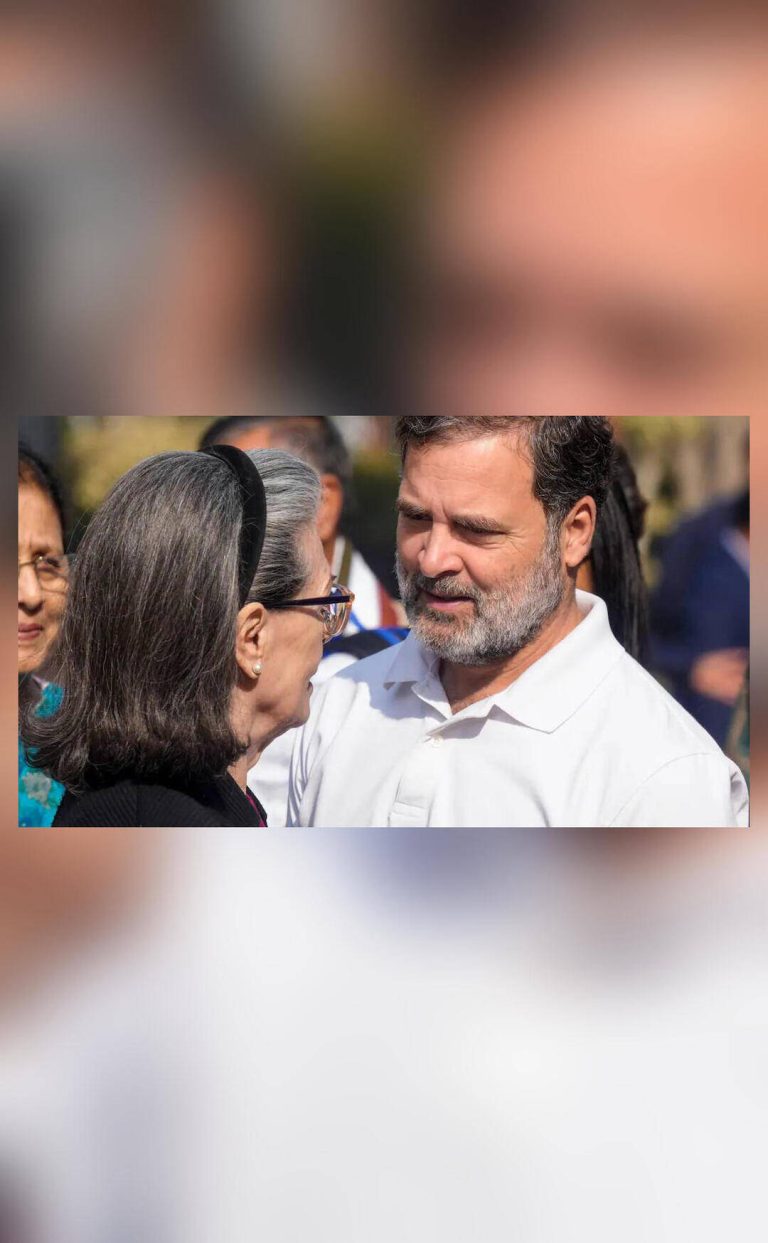
The National Herald case has been a longstanding point of contention between the Congress party and the Bharatiya Janata Party (BJP)-led government at the Centre. The case, which involves allegations of financial irregularities and money laundering, has been a subject of intense scrutiny and debate in the Indian political landscape. Recently, a Delhi court refused to take cognisance of the Enforcement Directorate’s (ED) money laundering case against Congress leaders Sonia Gandhi and Rahul Gandhi, sparking a fresh wave of controversy and recrimination.
In the aftermath of the court’s decision, the Congress party has come out strongly, alleging that the case was a blatant attempt by the Centre to target its leadership and undermine the party’s credibility. According to Congress spokesperson Pawan Khera, “The gangs of Gandhinagar’s misuse of central agencies stands exposed today.” This statement is particularly significant, as it implies that the BJP-led government is using central agencies to settle scores with the opposition, rather than allowing the law to take its course.
The term “Gangs of Gandhinagar” is a reference to the BJP’s top leadership, including Prime Minister Narendra Modi and Home Minister Amit Shah, who are both from Gujarat. The use of this phrase suggests that the Congress party believes that the BJP is using its control over central agencies to launch a vendetta against its opponents. This is not the first time that the Congress has made such allegations, but the fact that a court has now refused to take cognisance of the ED’s case has lent credence to the party’s claims.
The National Herald case itself is a complex and convoluted one, involving allegations of financial irregularities and money laundering. The case centres around the acquisition of the National Herald newspaper by a company called Young Indian, which is controlled by the Gandhi family. The ED has alleged that the company was set up as a shell entity to launder money and acquire assets worth thousands of crores. However, the Congress party has consistently denied these allegations, arguing that the case is a politically motivated attempt to target its leadership.
The court’s decision to refuse cognisance of the ED’s case is a significant setback for the BJP-led government, which had been hoping to use the case to damage the Congress party’s reputation. The fact that the court has found no merit in the ED’s allegations will be seen as a vindication of the Congress party’s claims that the case is a politically motivated witch-hunt.
The Congress party has also accused the BJP-led government of using central agencies to intimidate and silence its opponents. According to Pawan Khera, “The Modi government has been using central agencies to settle scores with the opposition, rather than allowing the law to take its course. This is a dangerous trend, which undermines the very foundations of our democracy.” This accusation is not without merit, as there have been numerous instances in the past where the BJP-led government has been accused of using central agencies to target its opponents.
The use of central agencies to settle scores with the opposition is a serious issue, which has significant implications for the health of Indian democracy. If the government is using its control over these agencies to launch a vendetta against its opponents, it undermines the rule of law and the principle of accountability. It also creates a climate of fear and intimidation, where opposition leaders and activists are reluctant to speak out against the government for fear of being targeted.
In conclusion, the National Herald case is a complex and contentious issue, which has significant implications for the Indian political landscape. The Congress party’s allegations that the BJP-led government is misusing central agencies to target its leadership are serious and deserve to be taken seriously. The fact that a court has refused to take cognisance of the ED’s case against Sonia and Rahul Gandhi will be seen as a vindication of the Congress party’s claims, and will likely embolden the party to take on the BJP-led government more aggressively in the days to come.
The “Gangs of Gandhinagar” phrase has become a rallying cry for the Congress party, which is using it to mobilise public opinion against the BJP-led government. The phrase is a powerful symbol of the party’s allegations that the BJP is using its control over central agencies to settle scores with its opponents. As the National Herald case continues to unfold, it will be interesting to see how the BJP-led government responds to these allegations, and how the Congress party plans to take its campaign against the government forward.
About the Author