Scientists create world’s smallest programmable robots, share pics
In a groundbreaking achievement, researchers from the Universities of Pennsylvania and Michigan have successfully created the world’s smallest fully programmable and autonomous robots. These microscopic swimming machines are capable of independently sensing and responding to their surroundings, paving the way for a new era of robotics and artificial intelligence.
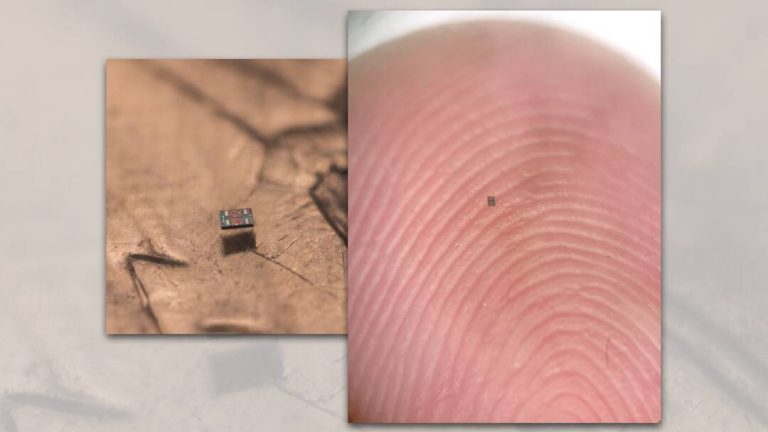
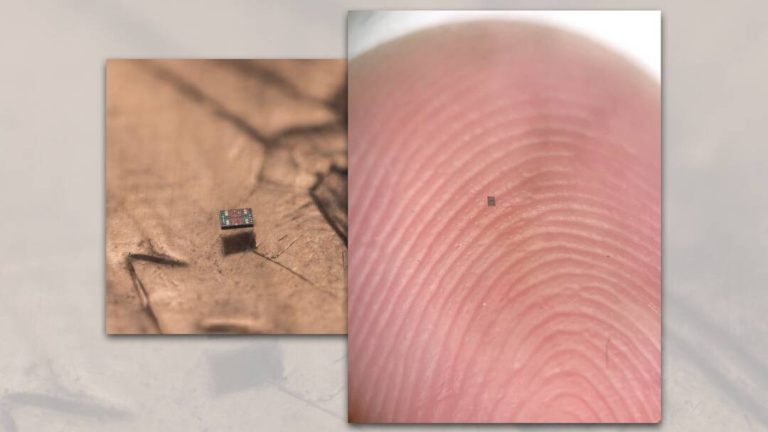
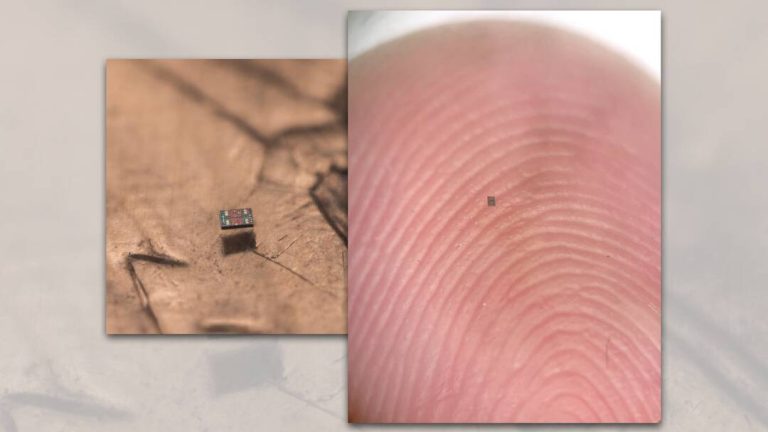
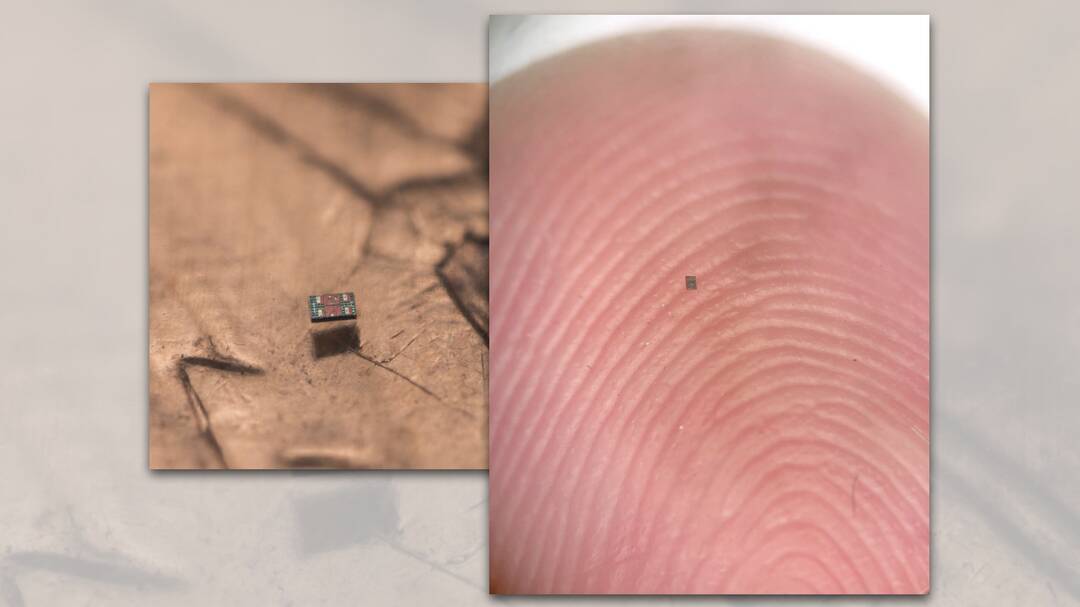
The robot, which measures a mere 0.2 by 0.3 by 0.05 millimeters, is barely visible to the naked eye. To put that into perspective, the robot is smaller than a grain of salt and can fit on the edge of a penny. Speaking of pennies, the cost of producing one of these tiny robots is approximately one penny per unit, making them incredibly affordable and accessible for a wide range of applications.
According to the researchers, these microscopic robots are designed to swim through fluids, such as water or blood, and can be programmed to perform a variety of tasks. They can be used to deliver drugs or other materials to specific locations within the body, or to navigate through complex environments, such as the bloodstream or the digestive tract.
One of the most significant advantages of these robots is their ability to sense and respond to their surroundings. They are equipped with sensors that allow them to detect changes in their environment, such as temperature, pH, or the presence of certain chemicals. This enables them to make decisions and adjust their behavior accordingly, making them highly adaptable and effective.
The creation of these tiny robots was made possible through the use of advanced manufacturing techniques, such as 3D printing and microfabrication. The researchers used a combination of materials, including polymers and metals, to create the robots’ bodies and components. The robots are powered by a small electric motor, which allows them to swim through fluids with remarkable speed and agility.
The potential applications of these microscopic robots are vast and varied. They could be used in medicine to deliver targeted treatments, such as chemotherapy or gene therapy, or to diagnose diseases, such as cancer or infections. They could also be used in environmental monitoring, such as tracking water quality or detecting pollutants.
In addition to their practical applications, these robots also have the potential to revolutionize our understanding of the natural world. By studying the behavior of these microscopic machines, scientists can gain insights into the behavior of cells, bacteria, and other microorganisms. This could lead to new discoveries and a deeper understanding of the complex interactions between living organisms and their environments.
The researchers behind this breakthrough are thrilled with the potential of their creation. “These microscopic swimming machines can independently sense and respond to their surroundings,” they stated. “This is a major step forward in the development of autonomous robots, and we are excited to see where this technology will take us.”
As the field of robotics continues to evolve, it is likely that we will see even more impressive advancements in the coming years. With the creation of the world’s smallest programmable robots, scientists have opened up new possibilities for exploration, discovery, and innovation. Whether it’s in medicine, environmental monitoring, or basic scientific research, these tiny machines are sure to make a big impact.
The development of these microscopic robots is a testament to human ingenuity and the power of collaboration. By bringing together experts from different fields and disciplines, researchers can achieve remarkable breakthroughs and push the boundaries of what is possible. As we look to the future, it is exciting to think about the potential applications and implications of this technology.
In conclusion, the creation of the world’s smallest programmable robots is a significant achievement that has the potential to revolutionize a wide range of fields. With their ability to sense and respond to their surroundings, these microscopic machines are poised to make a major impact in medicine, environmental monitoring, and beyond. As we continue to explore and develop this technology, it will be exciting to see where it takes us and what new discoveries and innovations it will enable.
For more information on this breakthrough, please visit: https://www.seas.upenn.edu/stories/penn-and-umich-create-worlds-smallest-programmable-autonomous-robots/
About the Author