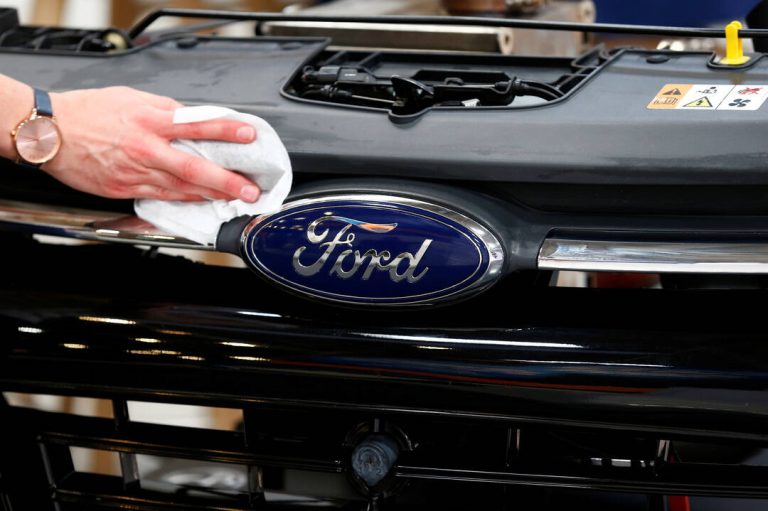
Ford to spend ₹1.77 lakh crore to cancel EV models; shift back to ICE, hybrid cars
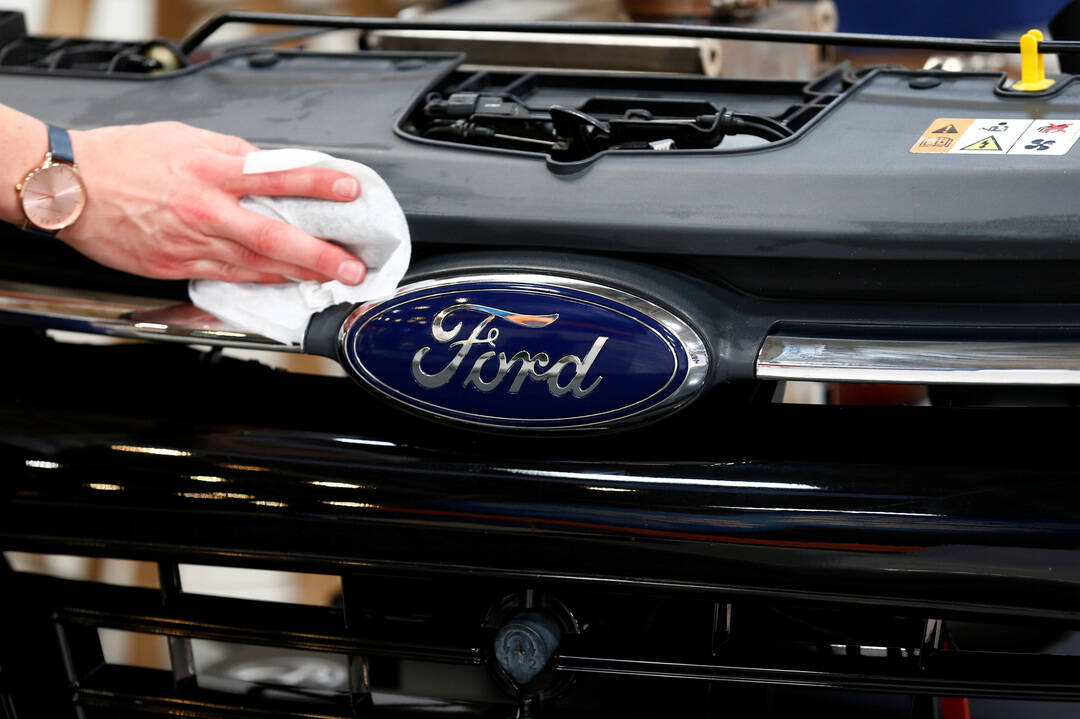
In a shocking turn of events, Ford has announced a massive $19.5-billion (approximately ₹1.77 lakh crore) charge on its electric-vehicle investments. This move is a significant departure from the company’s previous commitment to electric vehicles, and it has left many in the automotive industry stunned. As part of this plan, Ford will be canceling several future electric vehicle (EV) models, and instead, shifting its focus back to internal combustion engine (ICE) and hybrid cars.
The $19.5-billion charge is a substantial write-down, and it highlights the significant risks and challenges associated with investing in emerging technologies like electric vehicles. According to Ford, $8.5 billion of this charge is tied to the costs associated with killing future EV models. This decision is likely to have a significant impact on the company’s product lineup and its overall strategy for the future.
Another significant component of the charge is the $6 billion tied to a now-cancelled battery operation joint venture (JV) with South Korea’s SK On. This JV was intended to support Ford’s electric vehicle ambitions, but it appears that the company has decided to abandon this plan. The cancellation of this JV is a significant setback for Ford’s electric vehicle plans, and it raises questions about the company’s ability to compete in the rapidly evolving electric vehicle market.
Perhaps the most significant aspect of Ford’s plan is the conversion of its flagship electric truck-manufacturing factory in Tennessee to produce models with ICE and hybrid engines. This factory was previously dedicated to the production of electric vehicles, but it will now be repurposed to support the production of more traditional vehicles. This move is a clear indication that Ford is shifting its focus away from electric vehicles and towards more conventional powertrains.
The reasons behind Ford’s decision to cancel its electric vehicle models and shift back to ICE and hybrid cars are not entirely clear. However, it is likely that the company is responding to changing market conditions and consumer preferences. Despite the growing popularity of electric vehicles, there are still many consumers who prefer traditional gasoline-powered cars. Additionally, the production of electric vehicles is often more complex and expensive than traditional vehicles, which can make them less profitable for manufacturers.
Ford’s decision to cancel its electric vehicle models is also likely to have a significant impact on the company’s relationships with its suppliers and partners. The cancellation of the battery operation JV with SK On is a significant blow to the South Korean company, and it may have a ripple effect throughout the entire supply chain. Additionally, Ford’s decision to shift its focus away from electric vehicles may also impact its relationships with other companies that are invested in the electric vehicle ecosystem.
The implications of Ford’s decision are far-reaching, and they will likely have a significant impact on the entire automotive industry. As one of the largest and most influential automakers in the world, Ford’s decisions can have a profound impact on the market and the direction of the industry. The company’s decision to cancel its electric vehicle models and shift back to ICE and hybrid cars may be seen as a vote of no confidence in the electric vehicle market, and it may cause other manufacturers to reevaluate their own electric vehicle strategies.
In conclusion, Ford’s decision to spend ₹1.77 lakh crore to cancel its electric vehicle models and shift back to ICE and hybrid cars is a significant development that will have far-reaching implications for the automotive industry. The company’s decision to abandon its electric vehicle ambitions and focus on more traditional powertrains is a surprising move that raises questions about the future of the electric vehicle market. As the industry continues to evolve and change, it will be interesting to see how Ford’s decision plays out and how it will impact the company’s relationships with its suppliers, partners, and customers.
About the Author