India & China Know Struggle with Air Pollution: China Spokesperson
The scourge of air pollution has become a pressing concern for many countries around the world, with India and China being two of the most affected nations. The rapid urbanization and industrialization in these countries have led to a significant deterioration in air quality, posing serious health risks to their citizens. In a recent statement, Chinese spokesperson Yu Jing acknowledged the shared struggle between India and China in tackling air pollution. “Both China and India know the struggle with air pollution amid rapid urbanisation,” she said, highlighting the common challenges faced by the two countries.
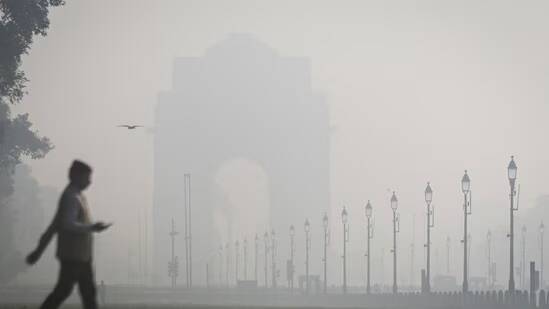
The remarks came at a time when Delhi’s Air Quality Index (AQI) was nearing 500, indicating extremely poor air quality. The Indian capital has been struggling with severe air pollution for several years, with the situation worsening during the winter months. The city’s poor air quality has been attributed to a combination of factors, including vehicle emissions, industrial pollution, and agricultural burning. The situation is similar in China, where cities like Beijing and Shanghai have been plagued by severe air pollution, prompting the government to take drastic measures to improve air quality.
Yu Jing’s statement was significant, as it marked a rare acknowledgment by China of the air pollution challenges faced by India. The two countries have often been compared in terms of their economic growth and development, but their struggles with air pollution have also drawn similarities. By acknowledging the shared struggle, China has extended an olive branch to India, offering to share its experiences and expertise in tackling air pollution.
“In the coming days, we’ll share a bite-sized series exploring how China tackled air pollution, step by step,” Yu Jing added, hinting at a potential collaboration between the two countries to address the issue. This could be a significant development, as China has made notable progress in improving its air quality in recent years. The country has implemented a range of measures, including reducing coal consumption, increasing the use of renewable energy, and imposing stricter emissions standards on industries.
One of the key steps taken by China to tackle air pollution was the implementation of a national action plan to reduce emissions. The plan, which was launched in 2013, set specific targets for reducing emissions from various sources, including industries, vehicles, and agricultural activities. The plan also included measures to increase the use of clean energy, such as wind and solar power, and to improve energy efficiency.
Another important step taken by China was the establishment of a network of air quality monitoring stations. These stations provide real-time data on air quality, enabling the government to track pollution levels and take prompt action to reduce emissions. The data is also made available to the public, allowing citizens to take informed decisions about their health and well-being.
In addition to these measures, China has also taken steps to reduce pollution from vehicles. The country has introduced stricter emissions standards for vehicles, and has encouraged the use of electric and hybrid vehicles. The government has also invested heavily in public transportation, including buses and trains, to reduce the reliance on private vehicles.
India, on the other hand, has also taken steps to address the issue of air pollution. The government has launched a national clean air program, which aims to reduce particulate matter emissions by 20-30% by 2024. The program includes measures to reduce emissions from industries, vehicles, and agricultural activities, as well as to increase the use of clean energy.
However, despite these efforts, India still has a long way to go in tackling air pollution. The country’s air quality remains poor, and the government faces significant challenges in implementing and enforcing pollution control measures. The collaboration with China could be a significant boost to India’s efforts, as China has valuable experience and expertise in tackling air pollution.
In conclusion, the acknowledgment by China of the shared struggle with India in tackling air pollution is a significant development. The two countries can learn from each other’s experiences and expertise, and collaborate to address the issue. By sharing its experiences and expertise, China can help India to tackle air pollution more effectively, and reduce the health risks associated with poor air quality. As the world’s two most populous countries, India and China have a responsibility to protect the health and well-being of their citizens, and to ensure a sustainable and environmentally-friendly development path.
About the Author