India & China Know Struggle with Air Pollution: China Spokesperson
The issue of air pollution has become a pressing concern for many countries around the world, with India and China being two of the most affected nations. The rapid urbanization and industrialization in these countries have led to a significant increase in air pollution, posing serious health risks to their citizens. Recently, China acknowledged the shared struggle with India over air pollution, with a Chinese spokesperson stating that both countries are well aware of the challenges they face in tackling this issue.
The remarks were made by Chinese spokesperson Yu Jing, who said, “Both China and India know the struggle with air pollution amid rapid urbanisation.” This statement is a clear acknowledgement of the fact that both countries are facing similar challenges in terms of air pollution, and that they can learn from each other’s experiences in tackling this issue. Yu Jing added, “In the coming days, we’ll share a bite-sized series exploring how China tackled air pollution, step by step.” This suggests that China is willing to share its expertise and experiences with India, in the hope that it can help the country to better address its own air pollution problems.
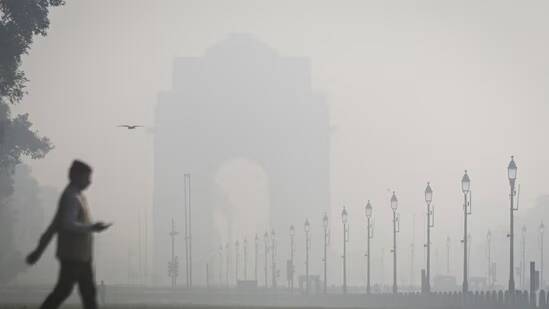
The comments came at a time when Delhi’s Air Quality Index (AQI) was nearing 500, which is considered to be a severely polluted level. The AQI is a measure of the level of air pollution in a given area, and it takes into account the levels of different pollutants such as particulate matter, nitrogen dioxide, and ozone. An AQI of 500 is considered to be a health emergency, and it can cause serious respiratory problems, especially for people with pre-existing medical conditions.
The fact that China is offering to share its expertise with India is significant, given the fact that China has made significant progress in tackling its own air pollution problems in recent years. China has implemented a range of measures to reduce air pollution, including the closure of polluting factories, the promotion of clean energy, and the implementation of stricter emissions standards. These efforts have led to a significant reduction in air pollution in many Chinese cities, and they provide a useful model for other countries to follow.
One of the key strategies that China has used to tackle air pollution is the implementation of a national action plan on air pollution. This plan sets out a range of targets and measures for reducing air pollution, including the reduction of particulate matter, nitrogen dioxide, and ozone. The plan also includes measures to promote clean energy, such as the development of wind and solar power, and to increase the use of electric vehicles.
Another important strategy that China has used is the implementation of stricter emissions standards. China has introduced a range of emissions standards for vehicles, including standards for particulate matter, nitrogen dioxide, and carbon monoxide. These standards are designed to reduce the amount of pollutants that are emitted by vehicles, and they have been an important factor in reducing air pollution in Chinese cities.
In addition to these measures, China has also implemented a range of other initiatives to tackle air pollution. For example, the country has introduced a system of pollution permits, which allows companies to buy and sell the right to emit pollutants. This system provides a financial incentive for companies to reduce their emissions, and it has been an effective way of reducing pollution.
India, on the other hand, is still struggling to tackle its air pollution problems. The country has introduced a range of measures to reduce air pollution, including the implementation of emissions standards and the promotion of clean energy. However, more needs to be done to address the scale and complexity of the problem. The Indian government has announced plans to reduce air pollution, including the implementation of a national clean air program, but the effectiveness of these plans remains to be seen.
In conclusion, the issue of air pollution is a pressing concern for both India and China, and it requires a coordinated and sustained effort to tackle. The fact that China is offering to share its expertise with India is a positive development, and it highlights the potential for cooperation and collaboration between the two countries on this issue. By learning from each other’s experiences and sharing best practices, India and China can work together to reduce air pollution and improve the health and well-being of their citizens.
As Yu Jing said, China will share a series of steps that the country has taken to tackle air pollution, and this will provide valuable insights for India and other countries that are struggling to address this issue. The coming days will be crucial in understanding how China has made significant progress in reducing air pollution, and how India can learn from these experiences.
About the Author