Typhoons return microplastics to land after humans pollute oceans: Study
The world’s oceans have long been a dumping ground for human waste, including microplastics. These tiny plastic particles, which are less than 5 millimeters in size, have been shown to have devastating effects on marine life and the environment. However, a new study published in Environmental Science and Technology has found that typhoons are playing a significant role in returning these microplastics to land, effectively closing the loop on the cycle of pollution.
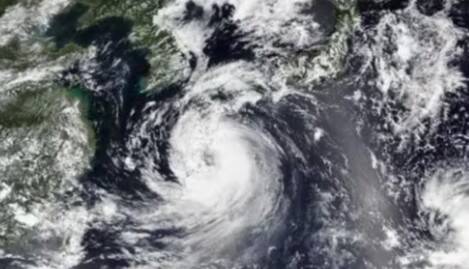
The study, which was conducted in Ningbo, China, documented the effects of three typhoons on the region’s microplastic pollution. What the researchers found was surprising: the typhoons were not simply mobilizing local litter from Ningbo, but were instead actively transferring ocean-sourced microplastics into the atmosphere and depositing them on land. This means that the microplastics that humans have been polluting the oceans with are now being returned to land, where they can continue to cause harm to the environment and human health.
The study’s findings have significant implications for our understanding of the microplastic cycle. Previously, it was thought that microplastics were primarily confined to the ocean, where they would remain until they were broken down into even smaller particles or ingested by marine life. However, this new research suggests that typhoons are providing a mechanism for microplastics to be transported back onto land, where they can continue to pollute the environment.
The researchers used a combination of field observations and laboratory analysis to study the effects of the typhoons on microplastic pollution. They collected samples of microplastics from the ocean and from the land before and after each typhoon, and used specialized equipment to analyze the size, shape, and composition of the particles. What they found was that the microplastics deposited on land by the typhoons were primarily composed of polyethylene and polypropylene, which are two of the most common types of plastic used in consumer products.
The study’s lead author noted that the findings have significant implications for human health and the environment. “Microplastics have been shown to have a range of negative effects on human health, including inflammation, oxidative stress, and even cancer,” they said. “By transporting microplastics from the ocean back onto land, typhoons are potentially exposing humans to these harmful particles, which could have serious consequences for public health.”
The study’s findings also highlight the need for more effective waste management strategies to prevent microplastics from entering the ocean in the first place. “If we can reduce the amount of microplastics that are entering the ocean, we can reduce the amount of microplastics that are being transported back onto land by typhoons,” said the lead author. “This will require a concerted effort from governments, businesses, and individuals to reduce plastic waste and increase recycling rates.”
Overall, the study provides new insights into the complex cycle of microplastic pollution, and highlights the need for more research into the effects of typhoons on microplastic transport. By understanding the mechanisms by which microplastics are transported from the ocean to land, we can develop more effective strategies for reducing microplastic pollution and mitigating its harmful effects on human health and the environment.
In conclusion, the study published in Environmental Science and Technology has shown that typhoons are playing a significant role in returning microplastics to land after humans pollute oceans. The study’s findings have significant implications for our understanding of the microplastic cycle, and highlight the need for more effective waste management strategies to prevent microplastics from entering the ocean. By reducing the amount of microplastics that enter the ocean, we can reduce the amount of microplastics that are transported back onto land by typhoons, and mitigate the harmful effects of microplastic pollution on human health and the environment.
News Source: https://pubs.acs.org/doi/10.1021/acs.est.5c11101
About the Author