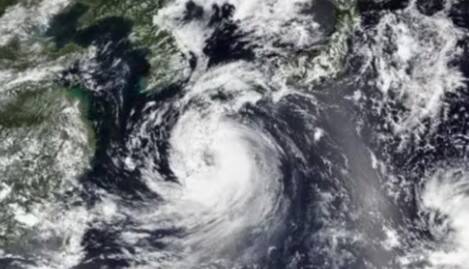
Typhoons return microplastics to land after humans pollute oceans: Study
The world’s oceans have been facing a significant threat from microplastics, which are tiny plastic particles that are less than 5 millimeters in size. These microplastics have been found to harm marine life, contaminate the food chain, and even affect human health. However, a recent study published in Environmental Science and Technology has revealed that typhoons are playing a significant role in returning these microplastics to land, after humans have polluted the oceans with them.
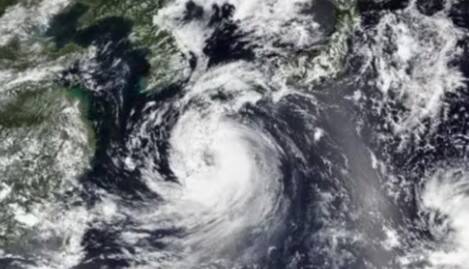
The study, which was conducted in Ningbo, China, documented three typhoons that occurred in the region and analyzed the microplastics that were deposited on land during and after the storms. The researchers found that the typhoons were not just mobilizing local litter from Ningbo, but were actually transferring ocean-sourced microplastics into the atmosphere and depositing them on land.
This study has significant implications for our understanding of the microplastic cycle and how it affects the environment. It suggests that typhoons and other storms are playing a crucial role in the transportation of microplastics from the ocean to land, and that this process is an important part of the global microplastic cycle.
The researchers used a combination of field observations, laboratory analysis, and modeling to study the effects of the typhoons on microplastic deposition. They collected samples of microplastics from the air, soil, and water during and after the typhoons, and analyzed them to determine their origin and composition.
The results of the study showed that the microplastics that were deposited on land during the typhoons were primarily composed of polyethylene and polypropylene, which are common types of plastic used in packaging and other consumer products. The researchers also found that the microplastics were mostly in the form of fibers, which are commonly used in clothing and textiles.
The study’s findings have significant implications for our understanding of the microplastic cycle and how it affects the environment. It suggests that typhoons and other storms are playing a crucial role in the transportation of microplastics from the ocean to land, and that this process is an important part of the global microplastic cycle.
The researchers also found that the microplastics that were deposited on land during the typhoons were not just limited to the immediate area around the storm’s path. Instead, they were found to be dispersed over a wide area, including in regions that were far from the coast. This suggests that typhoons and other storms are capable of transporting microplastics over long distances, and that this process is an important part of the global microplastic cycle.
The study’s findings also have significant implications for human health and the environment. Microplastics have been shown to be harmful to human health, and their presence in the environment has been linked to a range of health problems, including cancer, reproductive issues, and respiratory problems. The study’s findings suggest that typhoons and other storms are playing a significant role in the transportation of microplastics from the ocean to land, and that this process is an important part of the global microplastic cycle.
In conclusion, the study published in Environmental Science and Technology has revealed that typhoons are playing a significant role in returning microplastics to land after humans have polluted the oceans with them. The study’s findings have significant implications for our understanding of the microplastic cycle and how it affects the environment, and suggest that typhoons and other storms are playing a crucial role in the transportation of microplastics from the ocean to land.
The study’s findings also highlight the need for further research into the effects of microplastics on human health and the environment. It is clear that microplastics are a significant problem, and that more needs to be done to reduce their presence in the environment. This can be achieved through a combination of measures, including reducing plastic waste, increasing recycling, and implementing policies to reduce plastic pollution.
Overall, the study published in Environmental Science and Technology is an important contribution to our understanding of the microplastic cycle and how it affects the environment. Its findings have significant implications for human health and the environment, and highlight the need for further research into the effects of microplastics on the environment.
News Source: https://pubs.acs.org/doi/10.1021/acs.est.5c11101
About the Author