India & China Know Struggle with Air Pollution: China Spokesperson
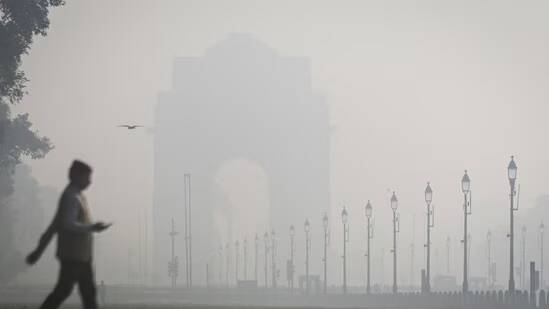
In a rare moment of solidarity, China has acknowledged a shared struggle with India over air pollution. The acknowledgement came as Delhi’s Air Quality Index (AQI) neared 500, posing a significant threat to the health and well-being of its citizens. Chinese spokesperson Yu Jing stated, “Both China and India know the struggle with air pollution amid rapid urbanisation.” This statement highlights the common challenges faced by both countries as they grapple with the consequences of rapid industrialization and urban growth.
The struggle with air pollution is a pressing issue for both India and China, with both countries experiencing severe air quality problems. In India, the capital city of Delhi is often referred to as a “gas chamber” due to its hazardous air quality. The city’s AQI has consistently exceeded safe limits, with levels of particulate matter (PM) 2.5 and PM 10 reaching alarming heights. Similarly, China has faced significant air pollution challenges, particularly in its northern regions, where the burning of coal for heat and energy has led to severe smog and health problems.
Yu Jing’s statement suggests that China is willing to share its experiences and expertise in tackling air pollution with India. She added, “In the coming days, we’ll share a bite-sized series exploring how China tackled air pollution, step by step.” This offer of assistance and cooperation is significant, given the two countries’ complex and often contentious relationship. By acknowledging the shared struggle with air pollution, China is extending an olive branch to India, recognizing that the two nations can learn from each other’s successes and failures in addressing this critical issue.
China’s own experiences with air pollution have been well-documented. In recent years, the country has taken significant steps to reduce its reliance on coal and increase its use of renewable energy sources. The Chinese government has implemented a range of measures, including the establishment of emission standards for industries, the promotion of electric vehicles, and the creation of “eco-cities” designed to minimize environmental impact. While there is still much work to be done, China’s efforts to tackle air pollution have shown promising results, with some cities experiencing significant improvements in air quality.
India, on the other hand, is still grappling with the challenges of air pollution. The country’s rapid urbanization and industrialization have led to a surge in emissions from vehicles, industries, and construction activities. The Indian government has implemented some measures to address air pollution, including the establishment of the National Clean Air Programme (NCAP) and the promotion of cleaner fuels such as liquefied petroleum gas (LPG) and compressed natural gas (CNG). However, much more needs to be done to address the scale and complexity of the problem.
The offer of assistance from China comes at a critical time for India, as the country struggles to cope with the devastating impacts of air pollution. Delhi’s AQI has reached crisis levels, with the city’s residents experiencing severe health problems, including respiratory distress, cardiovascular disease, and even premature death. The economic costs of air pollution are also significant, with estimates suggesting that the problem costs India’s economy billions of dollars each year.
In the coming days, China’s series on tackling air pollution is likely to provide valuable insights and lessons for India. By sharing its experiences and expertise, China can help India to accelerate its own efforts to address air pollution, drawing on the successes and failures of its own struggles with the issue. This cooperation and knowledge-sharing can help to reduce the devastating impacts of air pollution, improving the health, well-being, and quality of life for citizens in both countries.
As the world’s two most populous nations, India and China have a critical role to play in addressing the global challenge of air pollution. By working together and sharing their experiences, they can help to drive progress and innovation in the field, ultimately creating a healthier, more sustainable future for all.
In conclusion, the acknowledgement by China of a shared struggle with India over air pollution is a significant moment in the history of the two nations. By offering to share its expertise and experiences, China is extending a hand of cooperation and friendship to India, recognizing that the two countries can learn from each other’s successes and failures in addressing this critical issue. As India struggles to cope with the devastating impacts of air pollution, the offer of assistance from China is a welcome development, and one that can help to drive progress and innovation in the field.
About the Author