India & China Know Struggle with Air Pollution: China Spokesperson
The issue of air pollution has become a pressing concern for many countries around the world, with India and China being two of the most affected nations. The rapid urbanization and industrialization in these countries have led to a significant increase in air pollution, posing serious health risks to their citizens. Recently, China acknowledged the shared struggle with India over air pollution, with Chinese spokesperson Yu Jing stating, “Both China and India know the struggle with air pollution amid rapid urbanisation.” This statement comes as a welcome acknowledgment of the common challenges faced by the two countries, and it also highlights the need for cooperation and knowledge-sharing to tackle this critical issue.
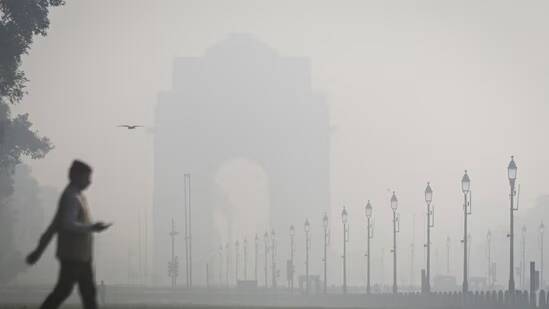
The remarks by the Chinese spokesperson are particularly significant given the current air quality crisis in Delhi, where the Air Quality Index (AQI) has been hovering near 500. This is a hazardous level of air pollution, posing serious health risks to the citizens of Delhi, including respiratory problems, cardiovascular diseases, and even premature death. The situation is not unique to Delhi, as many other cities in India and China are also struggling with poor air quality. The Chinese government has been working to address the issue of air pollution, and their experiences and strategies can provide valuable lessons for India and other countries facing similar challenges.
According to Yu Jing, China is willing to share its experiences and strategies with India to help tackle the air pollution crisis. She added, “In the coming days, we’ll share a bite-sized series exploring how China tackled air pollution, step by step.” This offer of cooperation and knowledge-sharing is a positive step towards addressing the common challenge of air pollution, and it highlights the importance of international cooperation in addressing global environmental issues.
China’s efforts to tackle air pollution have been significant in recent years. The country has implemented a range of measures, including the closure of polluting factories, the promotion of clean energy, and the implementation of stricter emissions standards. These efforts have led to a significant reduction in air pollution in many Chinese cities, including Beijing. The Chinese government has also invested heavily in renewable energy, including solar and wind power, and has implemented policies to encourage the use of electric vehicles.
One of the key strategies employed by China to tackle air pollution is the use of a cap-and-trade system. This system sets a limit on the amount of pollutants that can be emitted by factories and power plants, and allows companies to buy and sell permits to emit pollutants. This approach has been shown to be effective in reducing emissions and improving air quality. China has also implemented a range of other measures, including the use of cleaner fuels, the promotion of energy efficiency, and the implementation of stricter standards for vehicles.
India can learn from China’s experiences and strategies in tackling air pollution. The Indian government has already taken some steps to address the issue, including the implementation of a national clean air program and the promotion of clean energy. However, more needs to be done to address the scale and complexity of the problem. The Indian government can learn from China’s use of a cap-and-trade system, as well as its efforts to promote clean energy and energy efficiency.
In addition to government efforts, there is also a need for individual action to address the issue of air pollution. Citizens can make a difference by making conscious choices about their daily habits, such as using public transport, carpooling, or driving electric vehicles. They can also support organizations and businesses that prioritize sustainability and environmental protection. Furthermore, individuals can demand more action from their governments and hold them accountable for addressing the issue of air pollution.
In conclusion, the acknowledgment by China of the shared struggle with India over air pollution is a significant step towards addressing this critical issue. The offer of cooperation and knowledge-sharing by the Chinese government is a welcome move, and it highlights the importance of international cooperation in addressing global environmental challenges. As the world’s two most populous countries, India and China have a critical role to play in addressing the issue of air pollution, and their experiences and strategies can provide valuable lessons for other countries facing similar challenges.
The coming days will be crucial in understanding how China tackled air pollution, and what lessons can be applied to the Indian context. The series of steps that China will share will provide valuable insights into the strategies and policies that have been effective in reducing air pollution. This knowledge-sharing can help India and other countries to develop their own strategies and policies to address the issue of air pollution.
As we look to the future, it is clear that addressing the issue of air pollution will require a concerted effort from governments, businesses, and individuals. It will require a fundamental transformation of our economies and societies, and a commitment to prioritizing sustainability and environmental protection. The acknowledgment by China of the shared struggle with India over air pollution is a significant step towards this goal, and it highlights the importance of international cooperation and knowledge-sharing in addressing global environmental challenges.
About the Author