Typhoons return microplastics to land after humans pollute oceans: Study
The world’s oceans have become a massive dumping ground for human waste, with millions of tons of plastic debris entering the marine ecosystem every year. While the impact of this pollution on marine life is well-documented, a new study has revealed a disturbing twist: typhoons are now returning microplastics to land, spreading them far and wide after they have been deposited into the ocean. The research, published in Environmental Science and Technology, sheds new light on the complex relationships between human pollution, oceanic processes, and the spread of microplastics.
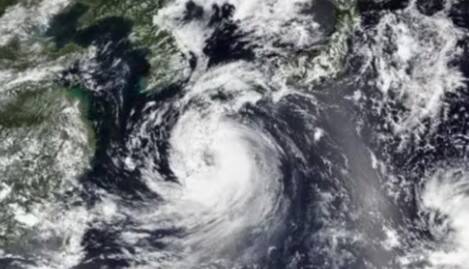
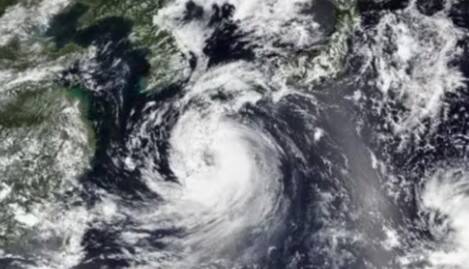
The study, which focused on three typhoons that hit Ningbo, China, found that these powerful storms are not just mobilizing local litter, but are actually transferring microplastics from the ocean into the atmosphere and depositing them on land. This process, known as “atmospheric deposition,” is a key mechanism by which microplastics are returned to land, often in areas far removed from their original source.
To understand the significance of this finding, it’s essential to delve into the world of microplastics. Microplastics are small plastic particles, typically less than 5 millimeters in size, that have been shown to have a devastating impact on marine ecosystems. They can be ingested by small marine animals, such as plankton and fish, and have even been found in the stomachs of larger animals, including whales and seabirds. Microplastics have also been linked to a range of environmental and health problems, including the transfer of toxins and pollutants into the food chain.
The study, which was conducted by a team of researchers from China and the United States, set out to investigate the role of typhoons in the spread of microplastics. The team collected samples of microplastics from the air and from surfaces in Ningbo, China, before, during, and after three typhoons hit the region. They found that the concentration of microplastics in the air increased significantly during the typhoons, with the largest increases observed during the most intense periods of the storms.
But here’s the surprising part: the microplastics that were deposited on land during the typhoons were not coming from local sources. Instead, they were being transferred from the ocean, where they had been deposited by human activities such as littering, fishing, and shipping. The researchers used a range of techniques, including scanning electron microscopy and energy-dispersive spectroscopy, to analyze the microplastics and determine their origin. They found that the microplastics were consistent with those found in oceanic environments, rather than those typically found in terrestrial environments.
This finding has significant implications for our understanding of the spread of microplastics. It suggests that typhoons and other extreme weather events can play a key role in the transport of microplastics from the ocean to land, and that this process can occur over large distances. This means that microplastics can be deposited in areas that are far removed from their original source, including in regions that are not typically associated with marine pollution.
The study’s authors note that this process can have significant environmental and health implications. Microplastics have been shown to be toxic to a range of organisms, and their presence in terrestrial ecosystems can have unforeseen consequences. For example, microplastics can be ingested by animals, including birds and small mammals, and can also be incorporated into soil and water, where they can persist for long periods of time.
So what can be done to mitigate the impact of microplastics on the environment? The study’s authors suggest that reducing the amount of plastic waste that enters the ocean is a critical first step. This can be achieved through a range of measures, including improving waste management practices, increasing recycling rates, and reducing the use of single-use plastics. Additionally, policymakers and regulators can play a key role in implementing policies and regulations that limit the amount of plastic waste that enters the ocean.
In conclusion, the study published in Environmental Science and Technology highlights the complex and often unexpected ways in which human pollution can impact the environment. The finding that typhoons can return microplastics to land after they have been deposited into the ocean is a sobering reminder of the need for urgent action to reduce plastic pollution. By understanding the mechanisms by which microplastics are spread, we can begin to develop effective strategies for mitigating their impact and protecting the health of our planet.
News source: https://pubs.acs.org/doi/10.1021/acs.est.5c11101
About the Author