Typhoons return microplastics to land after humans pollute oceans: Study
The world’s oceans have become a dumping ground for human waste, with millions of tons of plastic debris, including microplastics, entering the marine environment every year. While the impact of this pollution on marine life and ecosystems is well-documented, a new study has revealed a disturbing twist: typhoons are picking up these microplastics from the ocean and depositing them back on land. The research, published in Environmental Science and Technology, has significant implications for our understanding of the plastic pollution cycle and the role of natural disasters in spreading microplastics.
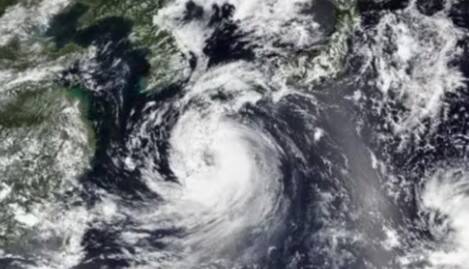
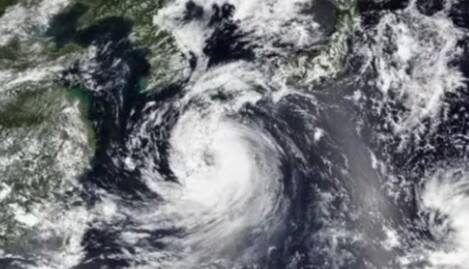
The study, which focused on three typhoons that hit Ningbo, China, found that the storms were not just mobilizing local litter from the city, but were actually transferring microplastics from the ocean into the atmosphere and depositing them on land. This process, known as “atmospheric deposition,” is a key mechanism by which microplastics are spread across the globe, contaminating even the most remote and pristine environments.
Microplastics, which are defined as plastic particles smaller than 5 millimeters, are a major concern for environmental scientists. They can come from a variety of sources, including the breakdown of larger plastic debris, microbeads in personal care products, and synthetic fibers from clothing. Once in the environment, microplastics can be ingested by animals, potentially causing harm or even death. They can also contaminate the food chain, with unknown consequences for human health.
The study’s authors used a combination of field observations and laboratory analysis to track the movement of microplastics during the three typhoons. They collected samples of rainwater, air, and surface water before, during, and after each storm, and analyzed them for microplastic content. The results were striking: the concentration of microplastics in the air and on surfaces increased significantly during and after each typhoon, with the largest increases observed during the strongest storm.
The researchers also used a technique called “source apportionment” to determine the origin of the microplastics. This involved analyzing the chemical composition of the microplastics and comparing it to known sources of plastic pollution. The results showed that the microplastics deposited on land during the typhoons were not coming from local sources, such as litter or industrial activities, but were instead being transported from the ocean.
The implications of this study are significant. It suggests that typhoons and other storms are playing a key role in the global transport of microplastics, and that these storms are capable of picking up microplastics from the ocean and depositing them on land. This means that even areas that are far from the ocean and have minimal local sources of plastic pollution can still be contaminated with microplastics.
The study’s authors also note that the process of atmospheric deposition is not limited to typhoons. Other types of storms, such as hurricanes and cyclones, may also be capable of transporting microplastics from the ocean to land. This means that the problem of microplastic pollution is even more widespread than previously thought, and that it will require a coordinated global effort to address.
The research has important implications for policy and management of plastic pollution. It highlights the need for reducing plastic pollution at the source, through measures such as banning single-use plastics, improving waste management, and increasing recycling rates. It also emphasizes the importance of monitoring and tracking microplastic pollution, in order to better understand the scope of the problem and to develop effective strategies for mitigating its impacts.
In conclusion, the study provides new insights into the role of typhoons in the global transport of microplastics. It highlights the complex and interconnected nature of the plastic pollution problem, and emphasizes the need for a comprehensive and coordinated approach to addressing it. By reducing plastic pollution at the source, improving waste management, and monitoring and tracking microplastic pollution, we can work towards a future where our oceans and lands are free from the scourge of microplastics.
News Source: https://pubs.acs.org/doi/10.1021/acs.est.5c11101
About the Author