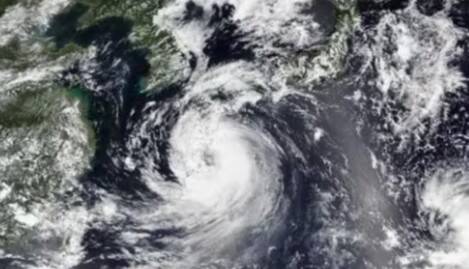
Typhoons return microplastics to land after humans pollute oceans: Study
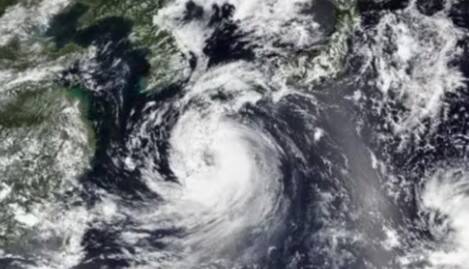
The world’s oceans have become a dumping ground for human waste, with millions of tons of plastic debris, including microplastics, ending up in the marine ecosystem. Microplastics, which are defined as plastic particles smaller than 5 millimeters, have been found to have devastating effects on marine life, from ingestion and entanglement to habitat destruction. However, a recent study published in Environmental Science and Technology has revealed that typhoons, powerful tropical cyclones, are playing a significant role in returning these microplastics to land, highlighting the interconnectedness of our planet’s ecosystems.
The study, which documented three typhoons in Ningbo, China, found that the storms were not mobilizing local litter from Ningbo, but rather actively transferring ocean-sourced microplastics into the atmosphere and depositing them on land. This process, known as “atmospheric transport,” allows microplastics to be carried long distances, potentially contaminating areas far from their original source. The researchers found that the typhoons were efficiently vacuuming microplastics from the ocean and spreading them over land, highlighting the significant role that these storms play in the global transport of microplastics.
The study’s findings have significant implications for our understanding of the microplastic cycle and the ways in which human activities are impacting the environment. Microplastics have been found in everything from sea salt and honey to drinking water and beer, and have even been shown to be present in human blood. The fact that typhoons are returning these microplastics to land highlights the need for a more comprehensive approach to addressing plastic pollution, one that takes into account the complex interactions between the ocean, atmosphere, and land.
The researchers used a combination of field observations, laboratory experiments, and modeling to study the impact of typhoons on microplastic transport. They collected samples of microplastics from the ocean and atmosphere before, during, and after the typhoons, and used these data to model the transport of microplastics during the storms. The results showed that the typhoons were able to pick up microplastics from the ocean and carry them long distances, depositing them on land in areas far from their original source.
One of the most significant findings of the study was that the microplastics deposited on land were not coming from local sources, but rather from the ocean. This suggests that the typhoons were not simply mobilizing local litter, but rather were transferring microplastics from the ocean to the land. This has significant implications for our understanding of the microplastic cycle, as it highlights the importance of considering the role of atmospheric transport in the global distribution of microplastics.
The study’s findings also have significant implications for human health and the environment. Microplastics have been shown to have a range of negative impacts on human health, from physical harm to toxic effects. The fact that typhoons are returning these microplastics to land highlights the need for a more comprehensive approach to addressing plastic pollution, one that takes into account the complex interactions between the ocean, atmosphere, and land.
In addition to highlighting the importance of considering the role of atmospheric transport in the global distribution of microplastics, the study’s findings also underscore the need for more research into the impacts of microplastics on human health and the environment. Further study is needed to fully understand the effects of microplastics on human health, as well as the ways in which they are impacting the environment.
In conclusion, the study published in Environmental Science and Technology highlights the significant role that typhoons play in returning microplastics to land after humans pollute oceans. The findings of this study have significant implications for our understanding of the microplastic cycle and the ways in which human activities are impacting the environment. As we move forward, it is essential that we take a more comprehensive approach to addressing plastic pollution, one that takes into account the complex interactions between the ocean, atmosphere, and land.
News Source: https://pubs.acs.org/doi/10.1021/acs.est.5c11101
About the Author