₹200, ₹500 Indian notes allowed in Nepal again
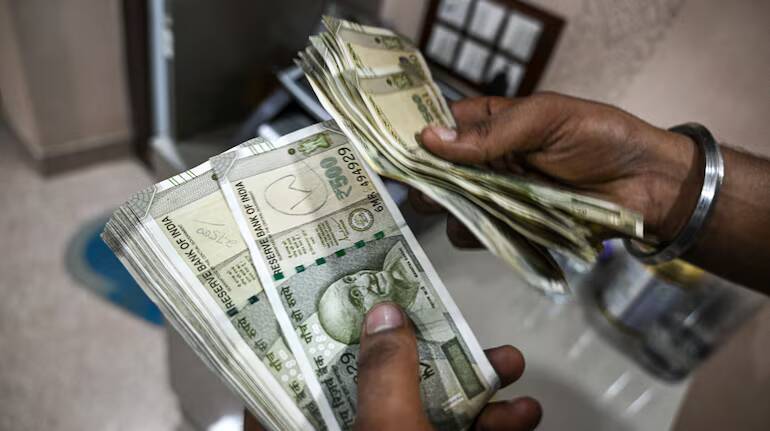
The Nepal government has made a significant announcement that is likely to benefit travelers and traders between India and Nepal. As of Monday, the ban on high-denomination Indian currency notes of ₹200 and ₹500 has been lifted. This move allows citizens to carry up to ₹25,000 per person between the two countries, making it easier for individuals to conduct business and tourism activities.
The decision to lift the ban comes after India eased restrictions on such notes, which were banned following the 2016 demonetisation. The demonetisation move, announced by the Indian government in November 2016, had led to a ban on the import and export of high-denomination notes from Nepal. The move was intended to curb black money and promote digital transactions. However, it had also caused inconvenience to citizens of both countries who frequently travel between India and Nepal.
The ban on high-denomination notes had been in place for nearly a decade, and its removal is expected to boost trade and tourism between the two countries. Nepal and India share a long and porous border, and the two countries have a significant amount of trade and cultural exchange. The lifting of the ban is likely to benefit small traders, tourists, and pilgrims who frequently travel between the two countries.
The Nepal government’s decision to lift the ban is also seen as a move to strengthen economic ties between the two countries. India is Nepal’s largest trading partner, and the two countries have a significant amount of trade in goods and services. The removal of the ban is expected to increase the flow of goods and services between the two countries, which is likely to benefit both economies.
The lifting of the ban is also expected to benefit tourists who travel to Nepal from India. Many Indian tourists visit Nepal every year to visit popular tourist destinations such as Kathmandu, Pokhara, and Chitwan. The removal of the ban will make it easier for tourists to carry cash and conduct transactions in Nepal. Similarly, Nepalese tourists who visit India will also benefit from the lifting of the ban.
The Nepal government has set a limit of ₹25,000 per person for carrying high-denomination notes between the two countries. This limit is intended to prevent money laundering and other illicit activities. The government has also announced that it will closely monitor the movement of cash between the two countries to prevent any misuse.
The lifting of the ban on high-denomination notes is a significant development in the economic relations between India and Nepal. The move is expected to boost trade, tourism, and cultural exchange between the two countries. It is also a testament to the strong economic ties between the two countries and the willingness of the governments to work together to promote economic cooperation.
In conclusion, the Nepal government’s decision to lift the ban on high-denomination Indian currency notes of ₹200 and ₹500 is a significant development that is likely to benefit travelers and traders between India and Nepal. The move is expected to boost trade, tourism, and cultural exchange between the two countries and strengthen economic ties. With the lifting of the ban, citizens can now carry up to ₹25,000 per person between the two countries, making it easier for individuals to conduct business and tourism activities.
About the Author