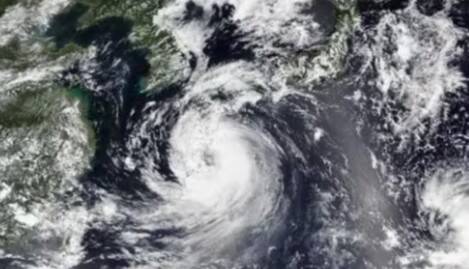
Typhoons return microplastics to land after humans pollute oceans: Study
The world’s oceans have become a dumping ground for human waste, with millions of tons of plastic waste ending up in the sea every year. While the impact of plastic pollution on marine life and ecosystems is well-documented, a new study has revealed a disturbing twist: typhoons are now returning microplastics to land, spreading them far and wide after they have been deposited in the ocean.
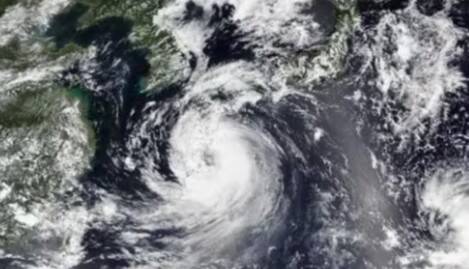
A research paper published in Environmental Science and Technology has found that typhoons are acting as a kind of “vacuum cleaner” for microplastics in the ocean, picking them up and depositing them on land. The study, which focused on three typhoons that hit Ningbo, China, found that the storms were not just mobilizing local litter, but were actually transferring microplastics from the ocean into the atmosphere and depositing them on land.
The study’s findings are significant, as they suggest that typhoons are playing a key role in the transport of microplastics from the ocean to land. This has important implications for our understanding of the plastic pollution problem, as it highlights the complex and interconnected nature of the issue.
To conduct the study, researchers collected samples of microplastics from the air and from surfaces in Ningbo before, during, and after the three typhoons. They found that the amount of microplastics in the air and on surfaces increased significantly during and after the storms, with the largest increases seen in areas that were closest to the coast.
The researchers also analyzed the types of microplastics that were found in the samples, and were able to determine that they were not coming from local sources. Instead, the microplastics were found to be similar to those that are commonly found in the ocean, suggesting that they were being transported from the sea to the land via the typhoons.
The study’s lead author noted that the findings were surprising, as it was expected that the typhoons would primarily be mobilizing local litter. Instead, the researchers found that the storms were acting as a kind of “bridge” between the ocean and the land, transporting microplastics from the sea to the atmosphere and depositing them on land.
The implications of this study are far-reaching. It suggests that typhoons and other storms may be playing a key role in the transport of microplastics from the ocean to land, and that this process may be contributing to the widespread contamination of soil, air, and water with microplastics.
The study also highlights the need for further research into the impact of plastic pollution on the environment. While the effects of microplastics on marine life and ecosystems are well-documented, the impact of microplastics on human health and the environment is still not fully understood.
In addition, the study underscores the importance of reducing plastic waste and preventing it from entering the ocean in the first place. This can be achieved through a combination of measures, including reducing plastic use, increasing recycling, and improving waste management practices.
Overall, the study provides new insight into the complex and interconnected nature of the plastic pollution problem. It highlights the need for a comprehensive approach to addressing the issue, one that takes into account the role of typhoons and other storms in transporting microplastics from the ocean to land.
As the world grapples with the challenge of plastic pollution, studies like this one provide important clues about the nature of the problem and the ways in which it can be addressed. By understanding the role of typhoons in transporting microplastics from the ocean to land, we can begin to develop more effective strategies for reducing plastic waste and protecting the environment.
In conclusion, the study published in Environmental Science and Technology provides a disturbing glimpse into the impact of human activity on the environment. The finding that typhoons are returning microplastics to land after they have been deposited in the ocean is a stark reminder of the need to take action to reduce plastic waste and prevent it from entering the ocean in the first place.
News Source: https://pubs.acs.org/doi/10.1021/acs.est.5c11101
About the Author