Prez rejects WB govt’s Bill to make CM chancellor of universities
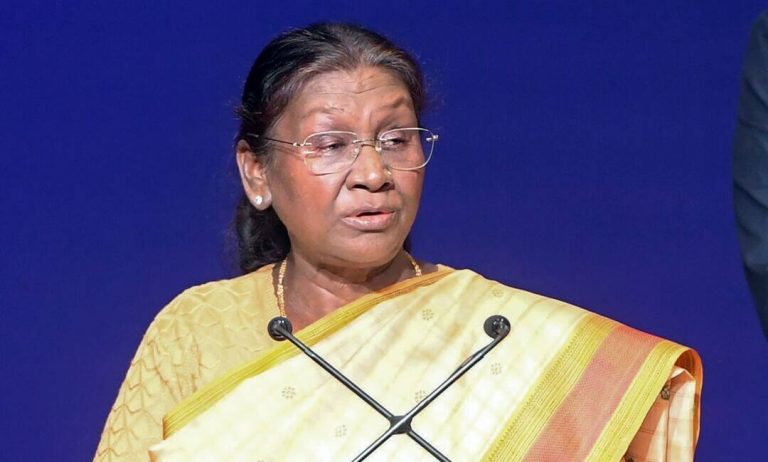
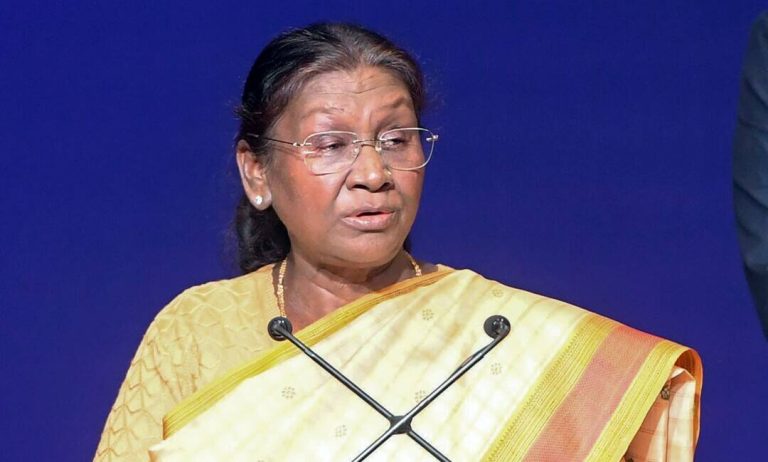
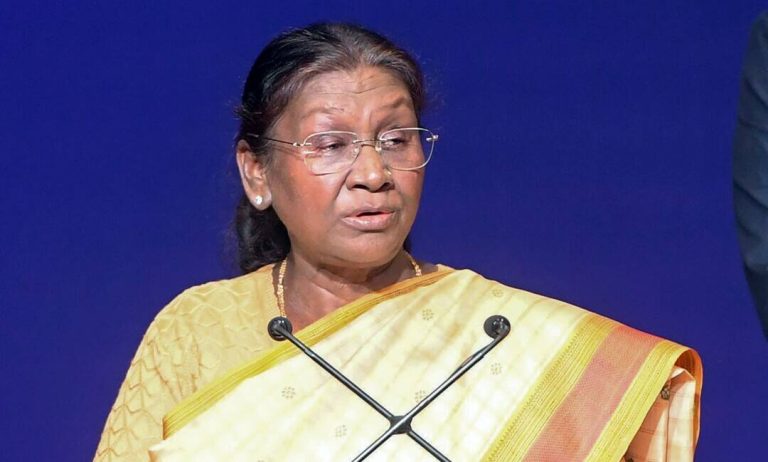
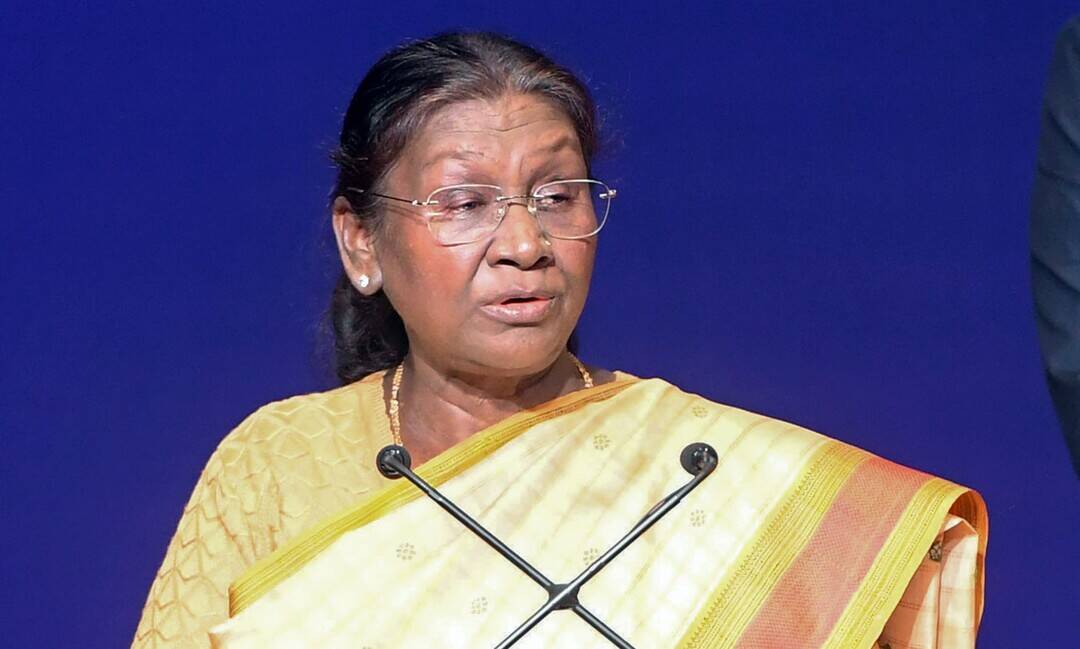
In a significant development, President Droupadi Murmu has rejected the West Bengal University Laws (Amendment) Bill, 2022, which aimed to replace the Governor with the Chief Minister as the Chancellor of all state-run universities. This move has sparked a debate about the potential implications of such a change on the education system in the state. The Bill, which was reserved by Governor Dr CV Ananda Bose for the President’s consideration in April 2024, had been a subject of controversy with the BJP and other critics raising concerns about political interference in the education system.
The West Bengal University Laws (Amendment) Bill, 2022, was introduced by the Trinamool Congress government in the state, led by Chief Minister Mamata Banerjee. The Bill proposed to amend the existing laws governing state-run universities, with the primary objective of replacing the Governor with the Chief Minister as the Chancellor of these institutions. The Governor, who is the constitutional head of the state, has traditionally held the position of Chancellor of state-run universities.
The opposition to the Bill, particularly from the BJP, was based on the argument that having the Chief Minister as the Chancellor would lead to increased political interference in the education system. Critics argued that this would undermine the autonomy of universities and compromise their academic freedom. The BJP and other opposition parties had been vocal in their opposition to the Bill, stating that it was an attempt by the state government to exert control over the education system and use it for political gain.
The Governor’s decision to reserve the Bill for the President’s consideration was seen as a significant move, as it allowed the Centre to examine the proposed legislation and its potential implications. The President’s rejection of the Bill is a clear indication that the Centre is not in favor of such a change, and that the existing system, where the Governor is the Chancellor, will continue.
The implications of the President’s decision are far-reaching. Firstly, it ensures that the education system in West Bengal will continue to be free from political interference, at least to some extent. The Governor, as a neutral constitutional head, is better equipped to ensure that the universities function independently and without political bias. This is particularly important in a state like West Bengal, where the education system has a long history of excellence and has produced some of the country’s most renowned intellectuals and academics.
Secondly, the President’s decision sets a precedent for other states, where similar attempts to replace the Governor with the Chief Minister as Chancellor may be made. It sends a clear message that the Centre will not tolerate any attempts to compromise the autonomy of universities and the education system. This is particularly significant in the context of the ongoing debate about the role of the Governor in the Indian polity and the need to ensure that the education system is free from political interference.
Finally, the President’s decision is a reflection of the ongoing tussle between the Centre and the state government in West Bengal. The Trinamool Congress government has been at odds with the Centre on a range of issues, including the role of the Governor and the functioning of the state administration. The President’s rejection of the Bill is a clear indication that the Centre will not allow the state government to unilaterally make changes to the education system, which has far-reaching implications for the country as a whole.
In conclusion, the President’s rejection of the West Bengal University Laws (Amendment) Bill, 2022, is a significant development that has far-reaching implications for the education system in the state and the country as a whole. It ensures that the education system will continue to be free from political interference, at least to some extent, and sets a precedent for other states where similar attempts may be made. The decision is also a reflection of the ongoing tussle between the Centre and the state government in West Bengal, and highlights the need for a nuanced and balanced approach to the governance of the education system.
News Source: https://x.com/airnewsalerts/status/2000530778275618943
About the Author