India & China Know Struggle with Air Pollution: China Spokesperson
The issue of air pollution has been a long-standing concern for many countries around the world, with some of the most populous nations being the most affected. Two such countries, India and China, have been grappling with the problem of air pollution for decades, with their rapidly urbanizing cities being the worst hit. Recently, China acknowledged the shared struggle with India over air pollution, with a Chinese spokesperson stating that both countries are aware of the challenges posed by air pollution amid rapid urbanization.
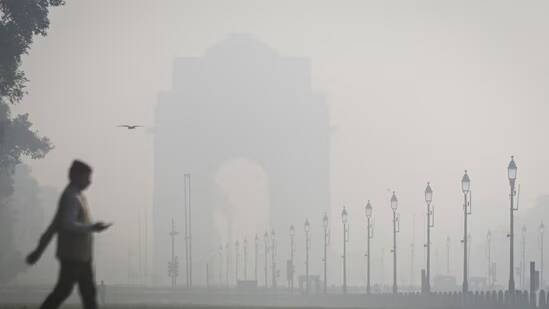
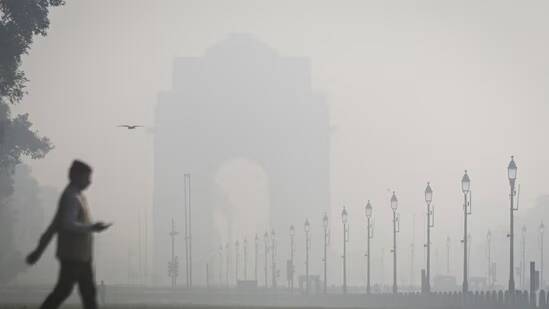
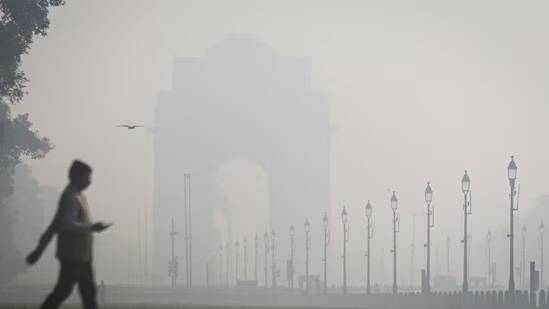
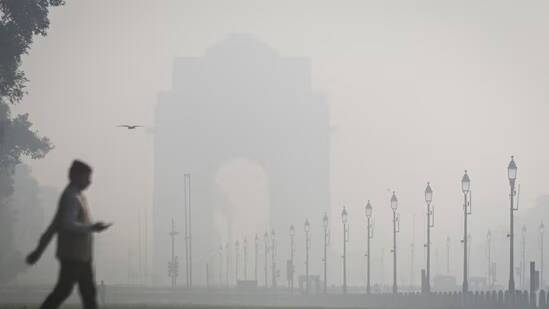
The remarks were made by Chinese spokesperson Yu Jing, who said, “Both China and India know the struggle with air pollution amid rapid urbanisation.” This statement comes at a time when Delhi, the capital city of India, is struggling to cope with hazardous air quality, with the Air Quality Index (AQI) nearing 500. The situation is so severe that it has become a major health concern, with residents being advised to stay indoors and avoid any outdoor activities.
Yu Jing further added, “In the coming days, we’ll share a bite-sized series exploring how China tackled air pollution, step by step.” This offer of assistance from China is significant, given that the country has made significant strides in reducing its air pollution levels in recent years. China’s experience in tackling air pollution could provide valuable lessons for India, which is still struggling to find effective solutions to the problem.
The issue of air pollution is a complex one, with multiple factors contributing to the problem. In India, the main causes of air pollution are the burning of fossil fuels, industrial emissions, and agricultural waste. The country’s rapid urbanization has led to a significant increase in the number of vehicles on the road, which has resulted in a substantial increase in air pollution. Additionally, the lack of effective waste management systems and the burning of trash have also contributed to the problem.
In China, the situation is similar, with the country’s rapid industrialization and urbanization leading to a significant increase in air pollution. However, in recent years, China has taken significant steps to reduce its air pollution levels, including the implementation of stricter emissions standards, the promotion of clean energy, and the creation of green spaces in urban areas.
One of the key strategies that China has used to tackle air pollution is the implementation of a national action plan. The plan, which was launched in 2013, set specific targets for reducing air pollution levels, including a 25% reduction in PM2.5 levels by 2017. The plan also included measures such as the closure of polluting factories, the promotion of clean energy, and the creation of green spaces in urban areas.
Another strategy that China has used is the promotion of electric vehicles. The country has set a target of having 50% of all new car sales being electric by 2025, and has implemented a range of incentives to encourage the adoption of electric vehicles. This includes subsidies for buyers of electric vehicles, as well as investments in charging infrastructure.
In addition to these measures, China has also implemented a range of other strategies to reduce air pollution, including the creation of green spaces in urban areas, the promotion of clean energy, and the implementation of stricter emissions standards. The country has also established a network of air quality monitoring stations, which provide real-time data on air pollution levels.
India, on the other hand, has also taken steps to tackle air pollution, including the implementation of a national clean air program. The program, which was launched in 2019, aims to reduce air pollution levels by 20-30% by 2024. The program includes measures such as the promotion of clean energy, the creation of green spaces in urban areas, and the implementation of stricter emissions standards.
However, despite these efforts, India still has a long way to go in tackling air pollution. The country’s air pollution levels remain among the highest in the world, and the problem is expected to worsen in the coming years unless effective measures are taken.
In conclusion, the issue of air pollution is a complex one that requires a multifaceted approach. Both India and China have struggled with air pollution, but China’s experience in tackling the problem could provide valuable lessons for India. China’s strategies, such as the implementation of a national action plan, the promotion of electric vehicles, and the creation of green spaces in urban areas, have been effective in reducing air pollution levels. India could learn from these strategies and implement similar measures to tackle its own air pollution problem.
As the world’s two most populous countries, India and China have a responsibility to take action to reduce air pollution levels and protect the health of their citizens. By working together and sharing knowledge and expertise, the two countries can make significant progress in tackling this critical issue.
About the Author