Typhoons return microplastics to land after humans pollute oceans: Study
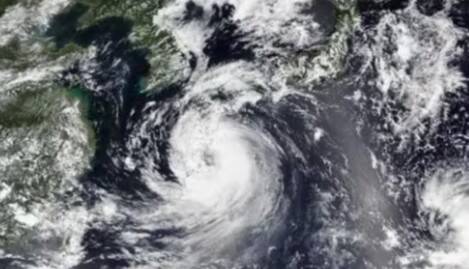
The world’s oceans have become a dumping ground for human waste, with millions of tons of plastic waste entering the marine ecosystem every year. While the impact of this pollution on marine life is well-documented, a new study has revealed that typhoons are playing a significant role in returning microplastics to land. According to research published in Environmental Science and Technology, typhoons are efficiently vacuuming microplastics from the ocean and spreading them over land, highlighting the devastating consequences of human pollution.
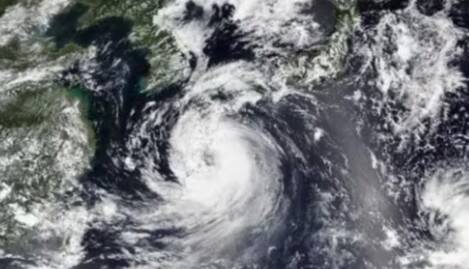
The study, which documented three typhoons in Ningbo, China, found that the storms were not mobilizing local litter from Ningbo, but were instead actively transferring ocean-sourced microplastics into the atmosphere and depositing them on land. This phenomenon has significant implications for our understanding of the plastic pollution cycle and highlights the need for urgent action to reduce plastic waste.
Microplastics, which are defined as plastic particles smaller than 5 millimeters, have become a major concern in recent years. They are found in a wide range of products, from cosmetics to clothing, and can enter the environment through various pathways, including wastewater and litter. Once in the environment, microplastics can be ingested by animals, potentially causing harm to their health and even entering the human food chain.
The study, which was conducted by a team of researchers from China and the United States, used a combination of field observations and laboratory analysis to investigate the impact of typhoons on microplastic pollution. The team collected samples of microplastics from the ocean and from land before and after three typhoons hit the region, and used a range of techniques, including scanning electron microscopy and Fourier transform infrared spectroscopy, to analyze the samples.
The results of the study showed that the typhoons were highly efficient at vacuuming microplastics from the ocean, with concentrations of microplastics in the air increasing significantly during the storms. The team found that the microplastics were being transferred from the ocean to the atmosphere through a process known as sea spray, which occurs when waves break and release tiny particles into the air.
Once in the atmosphere, the microplastics were being carried by the wind and deposited on land, where they could potentially be ingested by animals or enter the human food chain. The team found that the microplastics were being deposited on land in a wide range of locations, including urban areas, rural areas, and even in remote wilderness regions.
The study’s findings have significant implications for our understanding of the plastic pollution cycle. They suggest that typhoons and other storms may be playing a major role in the transport of microplastics from the ocean to land, and highlight the need for urgent action to reduce plastic waste.
The study’s authors note that the results have important implications for policy and management decisions related to plastic pollution. They suggest that efforts to reduce plastic waste should focus on reducing the amount of plastic that enters the ocean in the first place, rather than just trying to clean up the mess after it has been made.
The study also highlights the need for further research into the impact of microplastics on human health and the environment. While the study’s findings are significant, they are just the tip of the iceberg, and much more research is needed to fully understand the scope of the problem and to develop effective solutions.
In conclusion, the study’s findings are a stark reminder of the devastating consequences of human pollution. The fact that typhoons are returning microplastics to land after humans have polluted the oceans is a clear indication that our actions have consequences, and that we must take urgent action to reduce plastic waste.
As the world grapples with the challenge of plastic pollution, it is clear that we need to take a multi-faceted approach to address the problem. This includes reducing plastic waste, increasing recycling, and improving waste management. It also requires a fundamental shift in our culture and behavior, as we move away from a throwaway society and towards a more circular economy.
The study’s findings are a wake-up call, and a reminder that we must take action to protect the planet and its inhabitants from the devastating consequences of plastic pollution. By working together, we can reduce plastic waste, protect the environment, and create a healthier, more sustainable future for all.
News Source: https://pubs.acs.org/doi/10.1021/acs.est.5c11101
About the Author