India & China Know Struggle with Air Pollution: China Spokesperson
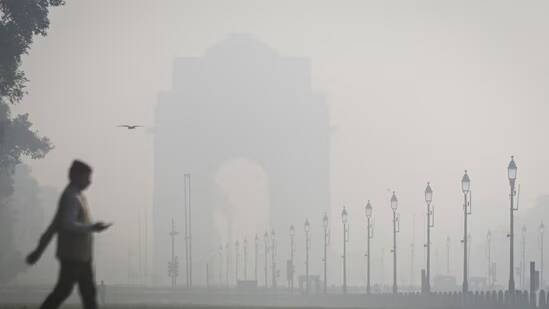
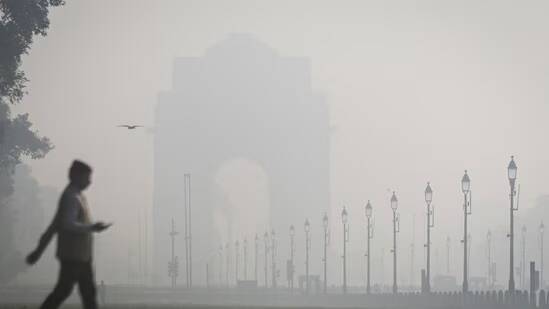
In a surprising move, China has acknowledged a shared struggle with India over air pollution, a long-standing issue that has plagued both countries. On Monday, Chinese spokesperson Yu Jing stated, “Both China and India know the struggle with air pollution amid rapid urbanisation.” This statement comes as a welcome recognition of the challenges faced by both nations in tackling the menace of air pollution. As Delhi’s Air Quality Index (AQI) neared 500, Yu Jing’s remarks took on a sense of urgency, highlighting the need for cooperation and knowledge-sharing between the two countries.
The issue of air pollution is a pressing concern for both India and China, with both countries experiencing rapid urbanization and industrialization. The rapid growth of cities and industries has led to a significant increase in air pollution, posing serious health risks to citizens. In India, the capital city of Delhi is often referred to as one of the most polluted cities in the world, with air pollution causing thousands of premature deaths every year. Similarly, in China, cities like Beijing and Shanghai have struggled with air pollution, with the government implementing various measures to reduce emissions and improve air quality.
Yu Jing’s statement is significant, as it acknowledges the common challenges faced by both countries. By recognizing the shared struggle, China is extending an olive branch to India, offering to share its experiences and expertise in tackling air pollution. The Chinese spokesperson added, “In the coming days, we’ll share a bite-sized series exploring how China tackled air pollution, step by step.” This proposed series is likely to provide valuable insights into China’s strategies for improving air quality, which could be adapted and implemented in India.
China’s efforts to tackle air pollution have been well-documented, with the country implementing a range of measures to reduce emissions and improve air quality. These measures include increasing the use of renewable energy sources, promoting electric vehicles, and implementing stricter emission standards for industries. China has also invested heavily in clean technologies, such as air purifiers and pollution-reducing systems. The country’s experiences, both successes and failures, could provide valuable lessons for India as it grapples with its own air pollution crisis.
The timing of Yu Jing’s statement is also noteworthy, coming as it does when Delhi’s AQI has reached alarming levels. The city’s air quality has been a major concern for several years, with the government implementing various measures to reduce pollution. However, despite these efforts, the city’s air quality remains a significant concern, with citizens facing serious health risks. By acknowledging the shared struggle with air pollution, China is offering a helping hand to India, which could lead to greater cooperation and knowledge-sharing between the two countries.
The proposed series of articles on how China tackled air pollution is likely to be closely watched in India, with policymakers and citizens eager to learn from China’s experiences. The series could provide valuable insights into the strategies and technologies used by China to improve air quality, which could be adapted and implemented in India. By sharing its expertise and experiences, China is demonstrating a willingness to cooperate with India on a critical issue, which could lead to improved air quality and better health outcomes for citizens in both countries.
In conclusion, China’s acknowledgement of a shared struggle with India over air pollution is a significant development, highlighting the need for cooperation and knowledge-sharing between the two countries. As Delhi’s AQI continues to pose serious health risks, the proposed series of articles on how China tackled air pollution could provide valuable insights and lessons for India. By working together and sharing experiences, both countries can learn from each other’s successes and failures, ultimately leading to improved air quality and better health outcomes for citizens.
About the Author