India & China know struggle with air pollution: China Spokesperson
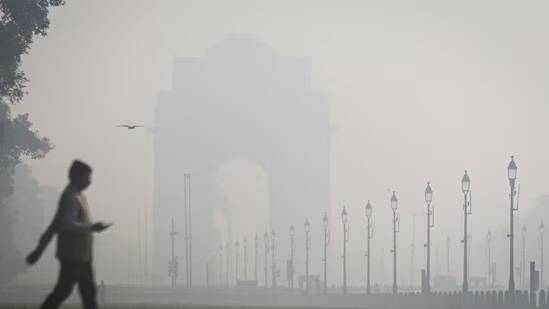
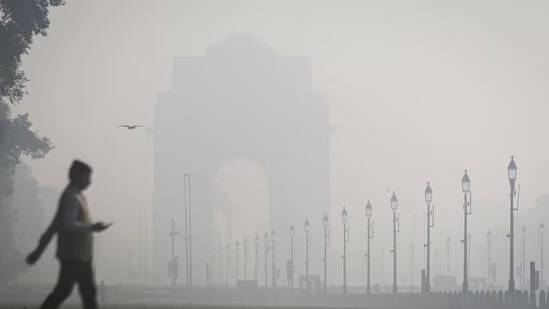
The issue of air pollution has become a pressing concern for many countries around the world, with India and China being two of the most affected nations. Recently, China acknowledged the shared struggle with India over air pollution, with Chinese spokesperson Yu Jing stating, “Both China and India know the struggle with air pollution amid rapid urbanisation.” This statement comes at a time when Delhi’s Air Quality Index (AQI) has neared 500, posing serious health risks to its citizens.
The problem of air pollution is a complex one, with multiple factors contributing to it. In India, the main causes of air pollution include the burning of fossil fuels, industrial emissions, and agricultural waste. Similarly, in China, the rapid industrialization and urbanization have led to a significant increase in air pollution. The two countries have been working to address this issue, but it remains a major challenge.
China’s spokesperson, Yu Jing, has offered some words of encouragement and support to India in its efforts to tackle air pollution. She stated that China is willing to share its experiences and lessons learned in addressing air pollution, and that the two countries can work together to find solutions. This is a significant development, as China has made significant progress in reducing its air pollution levels in recent years.
In the coming days, China plans to share a series of articles and tips on how it tackled air pollution, step by step. This will provide valuable insights and lessons for India, which is struggling to address its own air pollution crisis. The series will likely cover topics such as the implementation of emission standards, the promotion of clean energy, and the enforcement of environmental regulations.
One of the key strategies that China has employed to reduce air pollution is the use of clean energy sources. The country has invested heavily in renewable energy, such as wind and solar power, and has implemented policies to encourage the use of electric vehicles. China has also implemented strict emission standards for industries and vehicles, which has helped to reduce the amount of pollutants released into the air.
Another important step that China has taken is to increase public awareness and participation in efforts to reduce air pollution. The government has launched public education campaigns to inform citizens about the risks of air pollution and the steps they can take to reduce their exposure. This has helped to build a sense of community and shared responsibility for addressing the issue.
In contrast, India’s efforts to address air pollution have been slower to take off. Despite the introduction of policies such as the National Clean Air Programme, the country still struggles with high levels of air pollution. The government has faced criticism for not doing enough to enforce environmental regulations and to promote the use of clean energy.
However, there are signs that India is starting to take the issue of air pollution more seriously. The government has announced plans to increase the use of clean energy and to promote the use of electric vehicles. There are also efforts underway to improve public awareness and participation in efforts to reduce air pollution.
The acknowledgment by China of the shared struggle with India over air pollution is a significant development. It highlights the need for international cooperation and knowledge-sharing in addressing this global issue. By working together and sharing their experiences and lessons learned, India and China can make progress in reducing air pollution and improving the health and well-being of their citizens.
In conclusion, the issue of air pollution is a pressing concern for both India and China. While both countries face unique challenges in addressing this issue, they can also learn from each other’s experiences and strategies. China’s offer to share its knowledge and expertise with India is a welcome development, and it is hoped that it will lead to greater cooperation and progress in reducing air pollution.
As Delhi’s AQI continues to pose serious health risks to its citizens, it is clear that urgent action is needed to address the issue of air pollution. The government, citizens, and other stakeholders must work together to promote the use of clean energy, enforce environmental regulations, and increase public awareness and participation. By doing so, India can make progress in reducing air pollution and improving the health and well-being of its citizens.
About the Author