India & China Know Struggle with Air Pollution: China Spokesperson
The issue of air pollution has become a pressing concern for many countries around the world, with India and China being two of the most affected nations. The rapid urbanization and industrialization in these countries have led to a significant increase in air pollution, posing serious health risks to their citizens. Recently, China acknowledged the shared struggle with India over air pollution, with Chinese spokesperson Yu Jing stating, “Both China and India know the struggle with air pollution amid rapid urbanisation.” This statement highlights the common challenges faced by both countries and the need for a collective effort to address this issue.
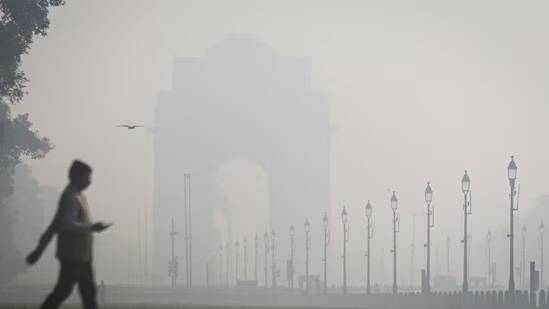
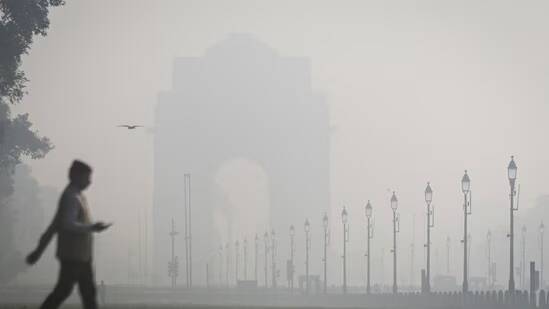
The remarks by the Chinese spokesperson came at a time when Delhi’s Air Quality Index (AQI) was nearing 500, indicating severely polluted air. The AQI is a measure of the level of air pollution in a given area, and a reading of 500 is considered hazardous to health. The poor air quality in Delhi has become a recurring problem, with the city experiencing severe pollution during the winter months. The situation is similar in other parts of India, with many cities struggling to cope with the increasing levels of air pollution.
China, on the other hand, has made significant strides in addressing its air pollution problem. In recent years, the Chinese government has implemented a series of measures to reduce pollution, including the closure of polluting factories, the promotion of clean energy, and the implementation of stricter emissions standards. These efforts have led to a noticeable improvement in air quality in many Chinese cities, including Beijing.
According to Yu Jing, China is willing to share its experiences and lessons learned in tackling air pollution with India. “In the coming days, we’ll share a bite-sized series exploring how China tackled air pollution, step by step,” she said. This offer of assistance is a significant development, as it highlights the willingness of the Chinese government to cooperate with India on this critical issue.
The collaboration between India and China on air pollution could be beneficial for both countries. China’s experiences in addressing air pollution could provide valuable lessons for India, which is still grappling with the issue. India, on the other hand, could share its own experiences and approaches to addressing air pollution, which could be useful for China.
One of the key steps taken by China to address air pollution was the implementation of a national action plan to reduce pollution. The plan, which was launched in 2013, set specific targets for reducing pollution, including a 25% reduction in particulate matter (PM) 2.5 levels by 2017. The plan also included measures such as the closure of polluting factories, the promotion of clean energy, and the implementation of stricter emissions standards.
China also invested heavily in clean energy, including solar and wind power. The country set a target of generating 20% of its energy from non-fossil fuels by 2030, and it has made significant progress towards achieving this goal. The increased use of clean energy has helped to reduce China’s reliance on coal, which is a major contributor to air pollution.
In addition to these measures, China also implemented a series of policies to reduce pollution from vehicles. The country introduced stricter emissions standards for vehicles, and it also promoted the use of electric and hybrid vehicles. These efforts have helped to reduce pollution from vehicles, which is a significant contributor to air pollution in urban areas.
India, on the other hand, has also taken steps to address air pollution. The Indian government has launched a series of initiatives to reduce pollution, including the promotion of clean energy and the implementation of stricter emissions standards. The government has also launched a national clean air program, which aims to reduce pollution levels in 102 cities across the country.
However, despite these efforts, India still faces significant challenges in addressing air pollution. The country’s rapid urbanization and industrialization have led to a significant increase in pollution, and the lack of effective enforcement mechanisms has hindered efforts to reduce pollution.
The collaboration between India and China on air pollution could help to address some of these challenges. By sharing experiences and lessons learned, both countries could benefit from each other’s approaches to addressing air pollution. The exchange of ideas and best practices could help to accelerate progress in reducing pollution, and it could also help to promote cooperation and dialogue between the two countries.
In conclusion, the issue of air pollution is a pressing concern for both India and China. The rapid urbanization and industrialization in these countries have led to a significant increase in air pollution, posing serious health risks to their citizens. The acknowledgment by China of the shared struggle with India over air pollution is a significant development, and it highlights the need for a collective effort to address this issue. The offer by China to share its experiences and lessons learned in tackling air pollution is a welcome move, and it could help to promote cooperation and dialogue between the two countries. By working together, India and China could make significant progress in reducing air pollution and promoting a healthier environment for their citizens.
About the Author