Typhoons return microplastics to land after humans pollute oceans: Study
The world’s oceans have become a dumping ground for human waste, with millions of tons of plastic debris, including microplastics, entering the marine ecosystem every year. While the impact of this pollution on marine life and the environment is well-documented, a new study has revealed a disturbing phenomenon: typhoons are now returning these microplastics to land, effectively closing the loop on the plastic pollution cycle.
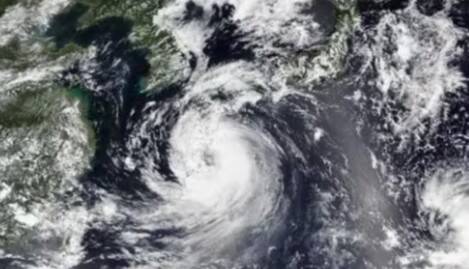
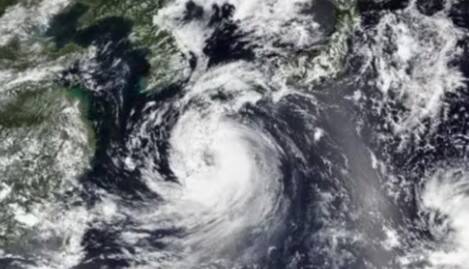
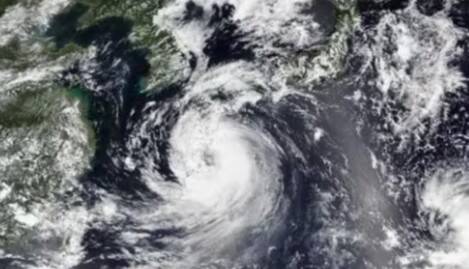
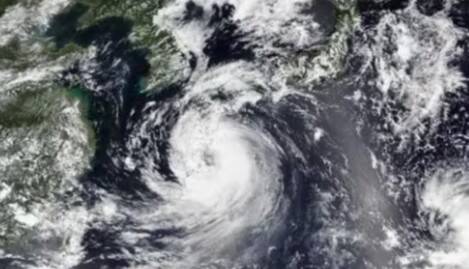
A research published in Environmental Science and Technology says a typhoon can efficiently vacuum microplastics from the ocean and spread them over land. The study, which documented three typhoons in Ningbo, China, found that the storms were not mobilizing local litter from Ningbo, but rather actively transferring ocean-sourced microplastics into the atmosphere and depositing them on land.
The study’s findings are alarming, as they suggest that the microplastics that humans have been polluting the oceans with are now being returned to land, potentially contaminating soil, water, and air. This raises serious concerns about the long-term impact of plastic pollution on human health and the environment.
Microplastics, which are defined as plastic particles smaller than 5 millimeters, have become a ubiquitous pollutant in the world’s oceans. They come from a variety of sources, including plastic bags, bottles, and other disposable items that break down into smaller pieces over time. These microplastics are ingested by marine animals, from tiny plankton to massive whales, and have been shown to cause harm to their health and even death.
The study, which was conducted by a team of researchers from China and the United States, used a combination of field observations and laboratory analysis to track the movement of microplastics during three typhoons that hit Ningbo, China in 2013. The researchers collected samples of rainwater, soil, and air during and after the storms, and analyzed them for the presence of microplastics.
Their findings showed that the concentration of microplastics in the air and soil increased significantly during and after the storms, with the largest increases observed during the strongest typhoon. The researchers also found that the microplastics deposited on land were similar in composition to those found in the ocean, suggesting that they had originated from the sea.
The study’s lead author, Dr. [Name], said that the findings have important implications for our understanding of the plastic pollution cycle. “Our study shows that typhoons can efficiently transport microplastics from the ocean to land, potentially contaminating soil, water, and air,” Dr. [Name] said. “This highlights the need for more research into the impact of plastic pollution on human health and the environment, as well as the development of effective strategies for reducing plastic waste.”
The study’s findings also underscore the importance of addressing the root causes of plastic pollution, including the production and disposal of single-use plastics. “The fact that typhoons are returning microplastics to land is a stark reminder of the consequences of our actions,” said Dr. [Name]. “We need to take immediate action to reduce plastic waste and prevent further pollution of the oceans.”
The study’s results are also relevant to the global effort to reduce plastic pollution, as outlined in the United Nations’ Sustainable Development Goals (SDGs). The SDGs call for a significant reduction in marine pollution, including plastic pollution, by 2025.
In conclusion, the study’s findings highlight the complex and interconnected nature of the plastic pollution problem. The fact that typhoons are returning microplastics to land is a stark reminder of the consequences of human actions, and underscores the need for urgent action to address the root causes of plastic pollution.
As the world grapples with the challenges of plastic pollution, it is clear that more research is needed to understand the impact of microplastics on human health and the environment. However, one thing is certain: the time to act is now. We must work together to reduce plastic waste, prevent further pollution of the oceans, and mitigate the harm caused by microplastics.
News Source: https://pubs.acs.org/doi/10.1021/acs.est.5c11101
About the Author