₹200, ₹500 Indian notes allowed in Nepal again
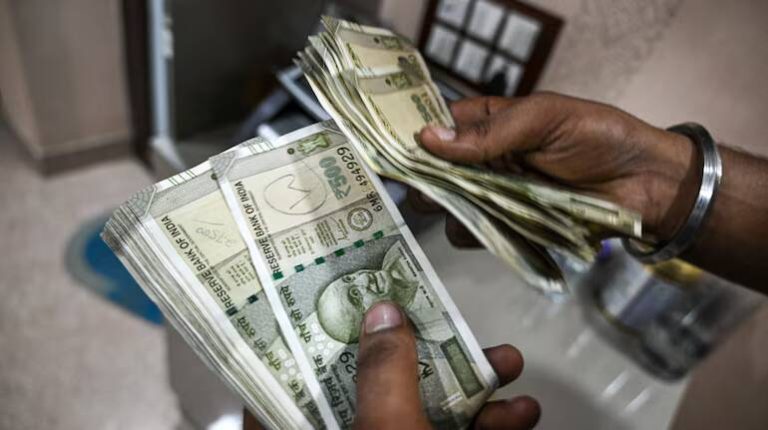
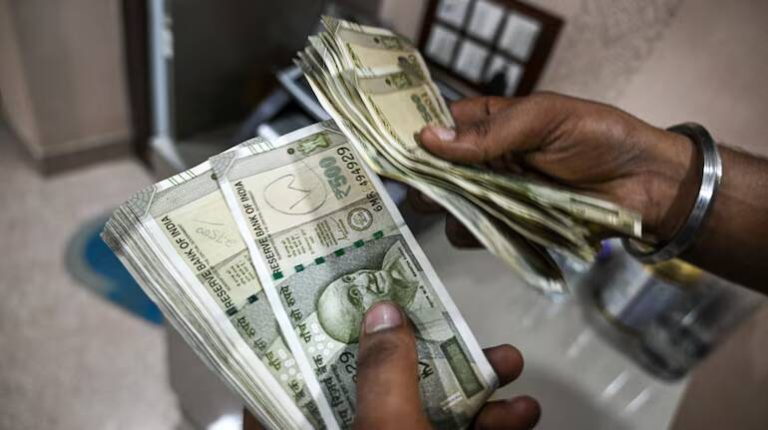
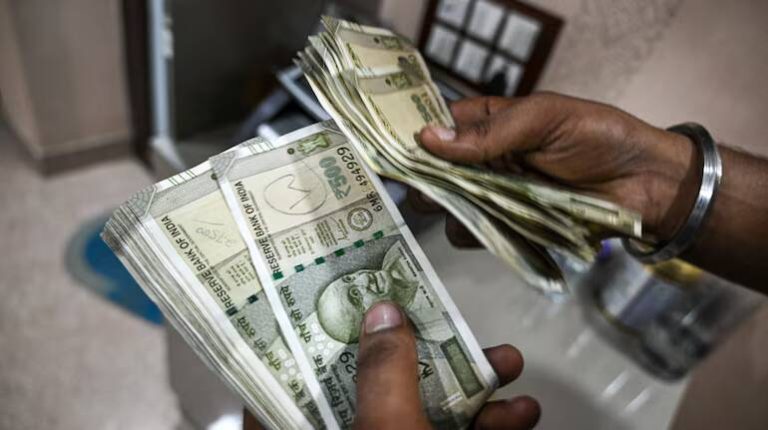
The Nepal government on Monday lifted the ban on high-denomination Indian currency notes of ₹200 and ₹500. Citizens can now carry up to ₹25,000 per person between India and Nepal. This comes after India eased restrictions on such notes, which were banned following the 2016 demonetisation after which the import and export of such notes from Nepal was banned.
The ban on high-denomination Indian currency notes in Nepal was imposed in 2016, after the Indian government’s decision to demonetise ₹500 and ₹1000 notes. The move was aimed at curbing black money and promoting digital transactions in India. However, the decision had a significant impact on Nepal, where Indian currency is widely accepted and used for trade and tourism.
The Nepalese government had banned the use of ₹200, ₹500, and ₹2000 notes in the country, citing concerns over money laundering and other illicit activities. The ban had caused significant inconvenience to citizens of both countries, particularly those living in border areas, who relied heavily on Indian currency for their daily transactions.
The lifting of the ban is expected to boost trade and tourism between India and Nepal. The two countries share a long and porous border, and there are many areas where the currencies of both countries are widely accepted. The move is also expected to benefit Indian tourists visiting Nepal, as well as Nepalese citizens who travel to India for work, education, or medical treatment.
According to the new rules, citizens can carry up to ₹25,000 per person between India and Nepal. This amount is significantly higher than what was allowed earlier, and is expected to facilitate trade and tourism between the two countries. The move is also expected to promote people-to-people contacts and strengthen the economic ties between India and Nepal.
The decision to lift the ban on high-denomination Indian currency notes in Nepal is a significant development in the economic relations between the two countries. It reflects the growing economic cooperation and friendship between India and Nepal, and is expected to have a positive impact on the economies of both countries.
The lifting of the ban is also expected to benefit the tourism industry in Nepal, which is a significant contributor to the country’s economy. Indian tourists are among the largest number of visitors to Nepal, and the move is expected to make it easier for them to travel to the country. The increased flow of tourists is expected to boost the local economy, create jobs, and promote economic growth in Nepal.
In addition to the tourism industry, the lifting of the ban is also expected to benefit the trade sector in Nepal. The country relies heavily on India for its trade, and the move is expected to facilitate the exchange of goods and services between the two countries. The increased trade is expected to boost economic growth, create jobs, and promote development in Nepal.
The decision to lift the ban on high-denomination Indian currency notes in Nepal is a significant development in the economic relations between the two countries. It reflects the growing economic cooperation and friendship between India and Nepal, and is expected to have a positive impact on the economies of both countries.
In conclusion, the lifting of the ban on high-denomination Indian currency notes in Nepal is a welcome move that is expected to boost trade and tourism between the two countries. The move is expected to facilitate the exchange of goods and services, promote people-to-people contacts, and strengthen the economic ties between India and Nepal. As the two countries continue to strengthen their economic cooperation, it is expected that the move will have a positive impact on the economies of both countries.
About the Author