Typhoons return microplastics to land after humans pollute oceans: Study
The world’s oceans are filled with microplastics, and it’s no secret that human activities are the primary cause of this pollution. From plastic bags and bottles to microbeads in personal care products, our daily lives are contributing to the overwhelming amount of plastic waste that ends up in the ocean. However, a recent study published in Environmental Science and Technology has shed new light on the role of typhoons in transporting microplastics from the ocean back to land.
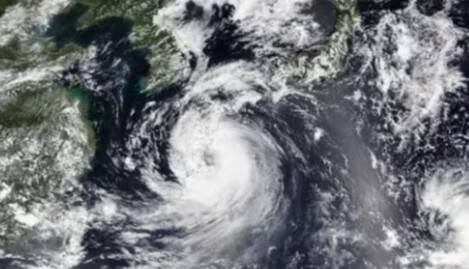
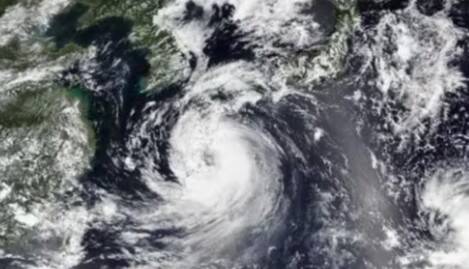
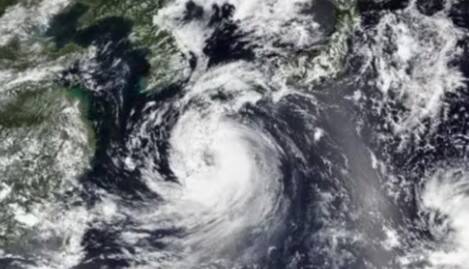
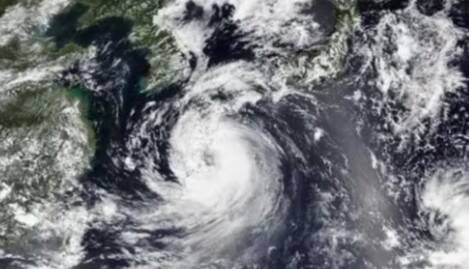
The study, which documented three typhoons in Ningbo, China, found that these storms are not only powerful enough to cause destruction and chaos but also play a significant role in the transportation of microplastics. The researchers discovered that typhoons can efficiently vacuum microplastics from the ocean and spread them over land, effectively returning the pollution to its source. This finding has significant implications for our understanding of the microplastic cycle and the impact of human activities on the environment.
The study, which was conducted over a period of several months, monitored the movement of microplastics in the ocean and on land before, during, and after the typhoons. The researchers used a combination of field observations, laboratory analysis, and modeling techniques to track the movement of microplastics and understand the role of typhoons in their transportation. The results showed that the typhoons were not mobilizing local litter from Ningbo, but rather were actively transferring ocean-sourced microplastics into the atmosphere and depositing them on land.
One of the most significant findings of the study was the sheer amount of microplastics that were transported by the typhoons. The researchers found that the storms were able to pick up and deposit large quantities of microplastics, including fragments of plastic bags, bottles, and other debris. The study also found that the microplastics were not only deposited on land but also in freshwater sources, including rivers and lakes. This has significant implications for human health, as microplastics have been shown to contaminate the food chain and potentially harm humans who ingest them.
The study’s findings also highlight the importance of understanding the role of natural processes, such as typhoons, in the transportation of microplastics. While human activities are the primary cause of microplastic pollution, natural processes can play a significant role in the movement and deposition of these pollutants. By understanding these processes, researchers and policymakers can develop more effective strategies for reducing microplastic pollution and mitigating its impacts on the environment and human health.
The study’s authors note that the findings have significant implications for the management of microplastic pollution. They suggest that efforts to reduce microplastic pollution should focus not only on reducing the amount of plastic waste that enters the ocean but also on mitigating the impacts of natural processes, such as typhoons, that can transport microplastics back to land. This could involve the development of new technologies and strategies for removing microplastics from the ocean and preventing them from being deposited on land.
In conclusion, the study published in Environmental Science and Technology provides new insights into the role of typhoons in the transportation of microplastics from the ocean back to land. The findings highlight the importance of understanding the complex interactions between human activities, natural processes, and the environment, and the need for a comprehensive approach to reducing microplastic pollution. By working together to reduce plastic waste and mitigate the impacts of natural processes, we can help to protect the environment and human health from the harmful effects of microplastic pollution.
News Source: https://pubs.acs.org/doi/10.1021/acs.est.5c11101
About the Author