Roblox ban in Russia sparks protest, debate on censorship
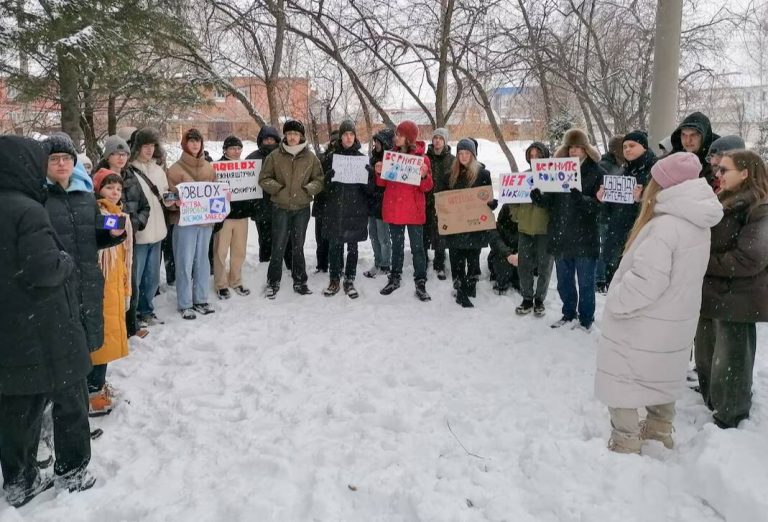
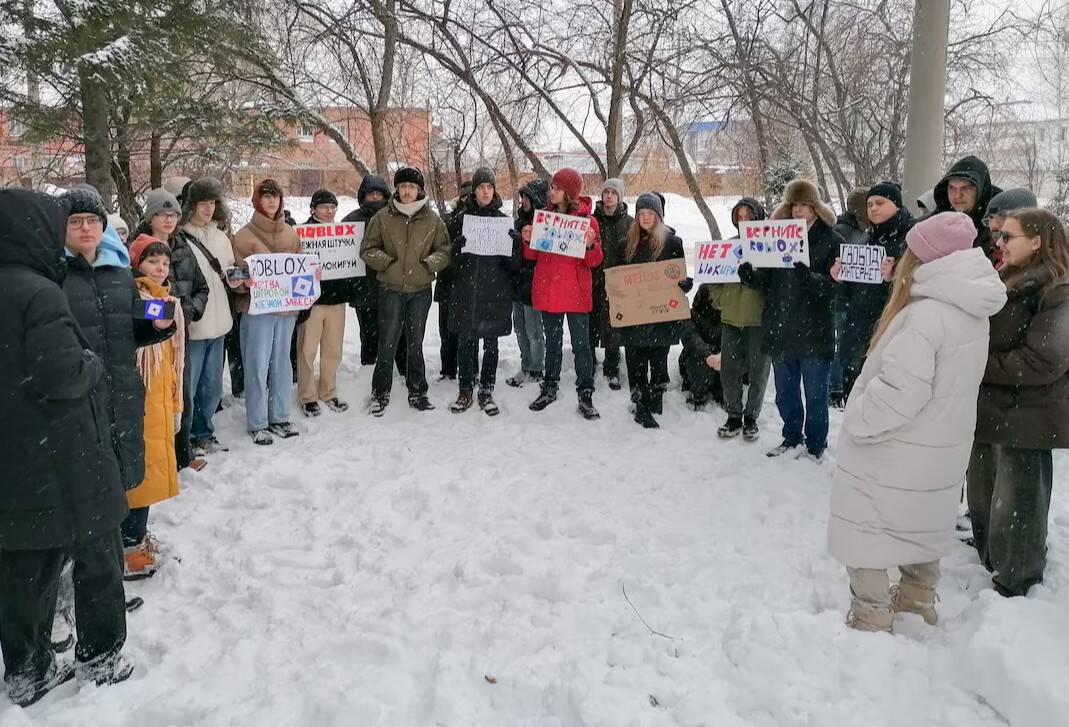
In a move that has sparked widespread opposition and debate, Russia banned the popular gaming platform Roblox in early December. The ban, which was implemented in response to concerns over child safety and online content, has been met with rare protests in the Siberian city of Tomsk. While Russia has a history of blocking or restricting social media platforms like Snapchat, Facebook, Instagram, and YouTube, the Roblox ban has brought a unique set of concerns to the forefront.
For those who may not be familiar, Roblox is an online platform that allows users to create and play a wide variety of games, ranging from first-person shooters to role-playing games. The platform has become incredibly popular among children and teenagers, with over 100 million active users worldwide. However, the platform’s open nature and user-generated content have raised concerns among some parents and authorities, who worry about the potential for children to be exposed to inappropriate or harmful content.
The Russian government’s decision to ban Roblox is reportedly based on concerns over the platform’s potential to harm children. According to officials, the platform’s content is not suitable for minors, and the government is working to protect children from online harm. However, many users and parents are pushing back against the ban, arguing that it is an overreach of government authority and an attempt to censor online content.
The protests in Tomsk, which were organized by local gamers and parents, are a rare example of public opposition to government censorship in Russia. Protesters held signs that read “Unblock Roblox” and “Don’t censor the internet,” and many expressed frustration and disappointment with the government’s decision. While the protests were small, they reflect a growing concern among Russians about the impact of government censorship on online freedom and creativity.
The debate over the Roblox ban has also sparked a wider conversation about the effectiveness of censorship in the digital age. With the rise of virtual private networks (VPNs) and other technologies that allow users to bypass online restrictions, many are questioning whether government bans are truly effective in blocking access to online content. In fact, many children and teenagers are already using VPNs to access Roblox and other blocked platforms, rendering the ban largely ineffective.
Moreover, the ban has raised concerns about the impact of censorship on child safety. While the government’s stated goal is to protect children from harm, many argue that banning Roblox will not necessarily achieve this goal. Instead, it may push children to seek out other, potentially more harmful, online platforms that are not subject to the same level of scrutiny. By driving online activity underground, the ban may ultimately make it more difficult for parents and authorities to monitor and protect children online.
The Roblox ban has also sparked a debate about the role of technology in regulating online content. While some argue that government censorship is necessary to protect children, others believe that technology companies themselves should take more responsibility for regulating their platforms. Roblox, for example, has implemented a range of measures to protect children, including parental controls and content moderation. However, the platform’s open nature and user-generated content make it difficult to completely eliminate the risk of children being exposed to harmful content.
In conclusion, the Roblox ban in Russia has sparked a rare protest and a wider debate about censorship, child safety, and technology. While the government’s stated goal is to protect children, many are questioning the effectiveness of the ban and the potential impact on online freedom and creativity. As the debate continues, it is clear that there are no easy answers to the complex issues surrounding online content and child safety. However, by engaging in an open and honest conversation about these issues, we can work towards finding solutions that balance the need to protect children with the need to preserve online freedom and creativity.
About the Author