Roblox ban in Russia sparks protest, debate on censorship
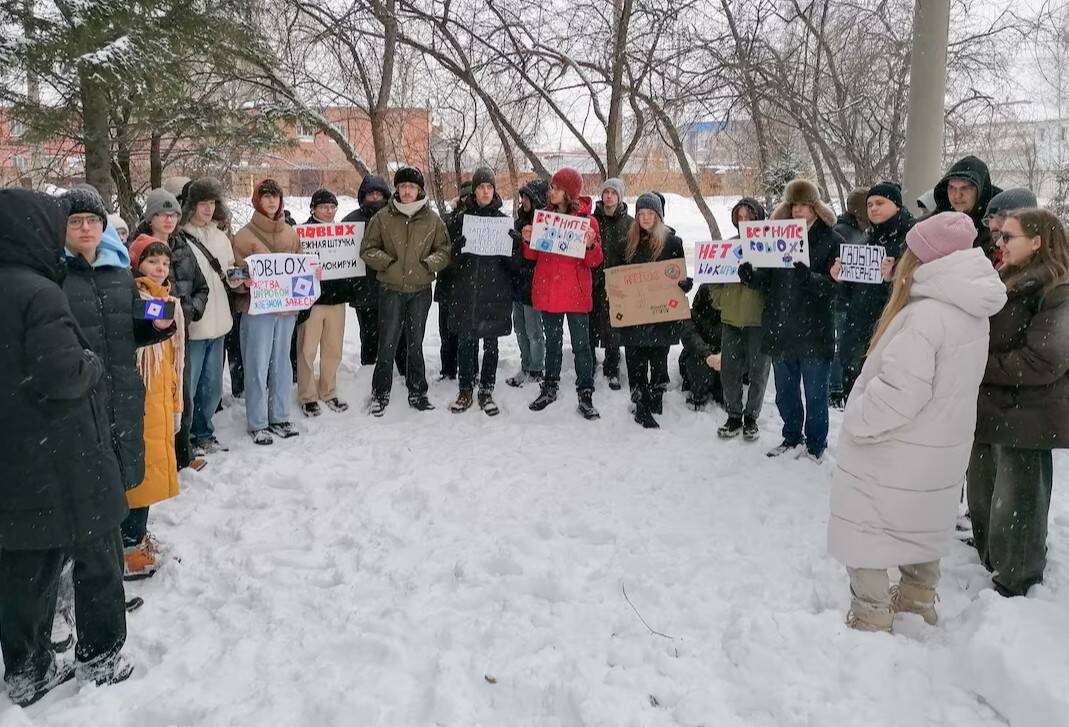
In a move that has sparked widespread controversy and opposition, Russia has banned the popular online gaming platform Roblox in early December. The ban, which was implemented by the Russian government, has been met with rare protests in the Siberian city of Tomsk, where a group of young gamers and their parents took to the streets to express their discontent. The protests, although small in scale, highlight the growing concern among Russians about the increasing censorship and restriction of online content in the country.
The ban on Roblox is not an isolated incident, as Russia has a history of blocking or restricting access to social media platforms like Snapchat, Facebook, Instagram, and YouTube. However, the ban on Roblox has brought a rare display of public dissent, with many arguing that the move is an overreach of government power and a threat to freedom of expression. The protests in Tomsk, although peaceful, demonstrate the depth of feeling among young people and their families about the importance of access to online platforms and the need for greater freedom and flexibility in the digital sphere.
The debate surrounding the Roblox ban has also sparked a wider discussion about censorship, child safety, and the role of technology in modern society. While the Russian government has argued that the ban is necessary to protect children from online harm and to prevent the spread of extremist ideologies, many critics argue that the move is a heavy-handed attempt to control the flow of information and stifle dissent. The ban has also raised questions about the effectiveness of censorship in a world where children can easily bypass restrictions using virtual private networks (VPNs) and other technologies.
For many young people in Russia, Roblox is more than just a game – it’s a community, a creative outlet, and a way to connect with friends and like-minded individuals from around the world. The platform, which allows users to create and share their own games and experiences, has become an integral part of many children’s lives, providing a safe and supportive environment for self-expression and socialization. By banning Roblox, the Russian government is not only restricting access to a popular online platform but also undermining the ability of young people to engage with their peers and to express themselves creatively.
The protests in Tomsk, which were organized by a group of local parents and gamers, highlight the growing concern among Russians about the impact of censorship on children’s lives. Many of the protesters argued that the ban on Roblox is not only an attack on freedom of expression but also a threat to child safety and well-being. By restricting access to online platforms, the government is pushing children into the shadows, where they may be more vulnerable to online harm and exploitation. The protesters also argued that the ban is a disproportionate response to the perceived risks associated with online gaming and that it fails to address the root causes of online harm.
The debate surrounding the Roblox ban has also sparked a wider discussion about the role of technology in modern society. While some argue that technology is a threat to traditional values and social norms, others see it as a powerful tool for creativity, self-expression, and social change. The ban on Roblox has raised questions about the balance between freedom and regulation, and the need for governments to find a balance between protecting children from online harm and respecting their right to freedom of expression.
In a world where children can easily bypass bans using VPNs and other technologies, the effectiveness of censorship is increasingly being called into question. Many experts argue that censorship is a blunt instrument that fails to address the root causes of online harm and that it can often have unintended consequences, such as driving children into the shadows or undermining their ability to access legitimate online content. The ban on Roblox has highlighted the need for a more nuanced and informed approach to online regulation, one that takes into account the complex and evolving nature of the digital landscape.
As the debate surrounding the Roblox ban continues to rage, it is clear that the issue is not just about a single online platform but about the broader implications of censorship and regulation in the digital age. The protests in Tomsk, although small in scale, demonstrate the growing concern among Russians about the impact of censorship on their lives and the need for greater freedom and flexibility in the online sphere. As governments around the world grapple with the challenges of regulating the internet, it is essential that they listen to the voices of young people and their families, and that they find a balance between protecting children from online harm and respecting their right to freedom of expression.
In conclusion, the ban on Roblox in Russia has sparked a rare protest and a wider debate about censorship, child safety, and the role of technology in modern society. While the Russian government has argued that the ban is necessary to protect children from online harm, many critics argue that it is a heavy-handed attempt to control the flow of information and stifle dissent. As the debate continues to rage, it is essential that governments around the world find a balance between protecting children from online harm and respecting their right to freedom of expression.
About the Author