Roblox ban in Russia sparks protest, debate on censorship
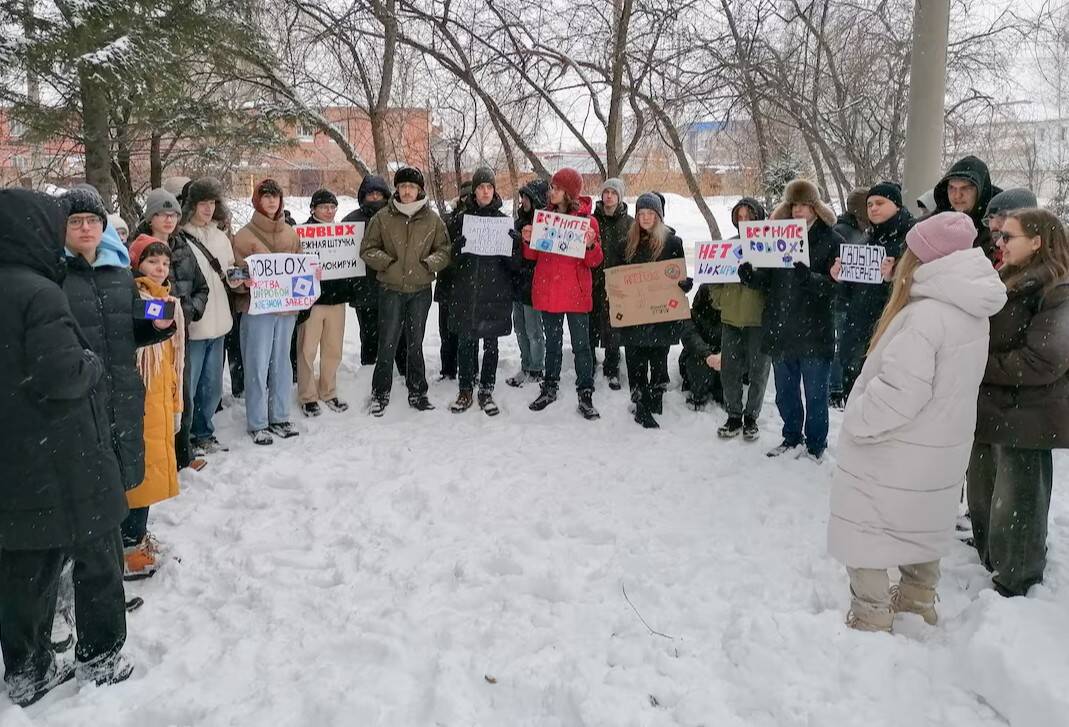
In a move that has sent shockwaves through the online gaming community, Russia has banned the popular gaming platform Roblox, sparking rare protests in the Siberian city of Tomsk. The ban, which was implemented in early December, has not only drawn opposition from gamers but has also triggered a heated debate over censorship, child safety, and the effectiveness of censorship in the digital age.
Roblox, a platform that allows users to create and play a wide variety of games, has become a staple of online entertainment for millions of children and teenagers around the world. However, Russian authorities have deemed the platform to be a threat to child safety, citing concerns over the potential for children to be exposed to explicit content and online predators.
While Russia has a history of blocking or restricting social media platforms like Snapchat, Facebook, Instagram, and YouTube, the ban on Roblox has been met with an unusual level of resistance. Protesters in Tomsk, a city in western Siberia, have taken to the streets to express their opposition to the ban, holding signs that read “Unblock Roblox” and “Freedom of Speech.”
The protests are a rare occurrence in Russia, where dissent is often met with swift and severe punishment. However, the ban on Roblox has seemingly struck a chord with the country’s younger population, who see the platform as a vital part of their online lives.
The debate over the ban has also sparked a wider conversation about the role of censorship in the digital age. While proponents of the ban argue that it is necessary to protect children from online harm, others see it as an overreach of government authority and a threat to freedom of expression.
Critics of the ban point out that children can easily bypass the restrictions using virtual private networks (VPNs) and other circumvention tools. This has led some to question the effectiveness of censorship in a world where technology is constantly evolving and where determined individuals can often find ways to circumvent restrictions.
Moreover, the ban on Roblox has raised concerns about the potential for over-censorship and the impact it could have on the country’s tech industry. Russia has been actively promoting the development of its domestic tech sector, but the ban on Roblox has led some to wonder if the government’s censorship policies could stifle innovation and drive talent away.
The Russian government has defended the ban, citing concerns over the platform’s content and the potential for children to be exposed to harm. However, the move has been widely criticized by human rights groups and free speech advocates, who see it as an attempt to exert greater control over the online activities of Russian citizens.
As the debate over the ban continues, it remains to be seen how effective the censorship will be in achieving its intended goals. One thing is certain, however: the ban on Roblox has sparked a rare and vibrant protest movement in Russia, and has highlighted the complex and often contentious issues surrounding censorship, child safety, and technology.
In conclusion, the ban on Roblox in Russia has sparked a heated debate over censorship, child safety, and the effectiveness of censorship in the digital age. While the Russian government has defended the move as necessary to protect children, critics see it as an overreach of authority and a threat to freedom of expression. As the world becomes increasingly interconnected, it is likely that we will see more debates over censorship and online regulation. For now, the fate of Roblox in Russia remains uncertain, but one thing is clear: the ban has sparked a rare and important conversation about the role of censorship in the digital age.
About the Author