Germany to send troops to Poland border amid threats from Russia
In a move aimed at bolstering the security of its eastern European ally, Germany has announced that it will be deploying a contingent of troops to Poland’s border with Russia. The decision comes amid rising concerns over potential threats from Russia, which has been engaged in a protracted conflict with Ukraine and has been accused of making aggressive overtures towards other Eastern European nations.
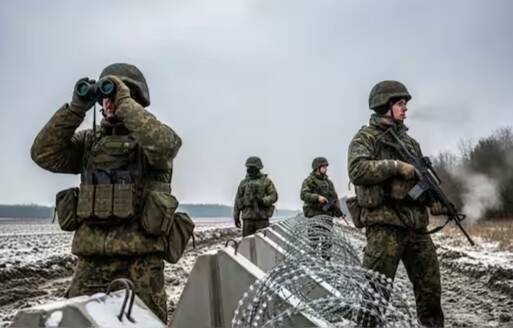
According to Berlin’s defence ministry, the deployed troops will be tasked with engineering work, including building defensive structures, excavating trenches, and installing barbed wire and anti-tank obstacles. The move is seen as a significant escalation of Germany’s commitment to regional security, and is likely to be viewed as a provocative move by Russia.
The deployment of German troops to Poland’s border is a response to the growing unease in the region over Russia’s actions. In recent years, Russia has been accused of engaging in a range of aggressive activities, including the annexation of Crimea, the support of separatist rebels in eastern Ukraine, and the deployment of troops to the borders of NATO member states.
The situation has been further complicated by Russia’s decision to suspend its participation in the Intermediate-Range Nuclear Forces (INF) Treaty, a Cold War-era agreement that prohibited the development and deployment of certain types of nuclear missiles. The move has sparked fears of a new arms race in Europe, and has led to calls for increased military cooperation between NATO member states.
Germany’s decision to deploy troops to Poland’s border is a significant response to these concerns. The country has long been a key player in European security affairs, and its military is one of the most capable and well-equipped in the region. By deploying troops to Poland’s border, Germany is sending a clear signal that it is committed to defending its allies and upholding the principles of NATO’s collective defence commitment.
The engineering work that the German troops will be undertaking is a critical component of this effort. By building defensive structures and installing obstacles, the troops will be helping to bolster Poland’s border defences and make it more difficult for Russian forces to launch a potential attack. The work will also help to reassure Poland and other Eastern European nations that they have the support of their NATO allies, and that they will not be left to face the threat from Russia alone.
The deployment of German troops to Poland’s border is also significant because it marks a major shift in Germany’s military posture. For many years, Germany has been reluctant to engage in military interventions abroad, preferring instead to focus on diplomatic and economic efforts to resolve conflicts. However, the growing threat from Russia has forced Germany to re-evaluate its priorities, and to consider a more robust military response.
The move has been welcomed by Poland and other Eastern European nations, which have long been calling for greater support from their NATO allies. The deployment of German troops to Poland’s border is seen as a major boost to regional security, and is likely to be followed by similar deployments from other NATO member states.
In conclusion, Germany’s decision to send troops to Poland’s border is a significant response to the growing threat from Russia. The deployment of engineering troops to build defensive structures and install obstacles is a critical component of this effort, and is likely to be followed by further deployments from other NATO member states. As the situation in Eastern Europe continues to evolve, it is clear that Germany and other NATO member states will play a critical role in defending the region against the threat from Russia.
About the Author