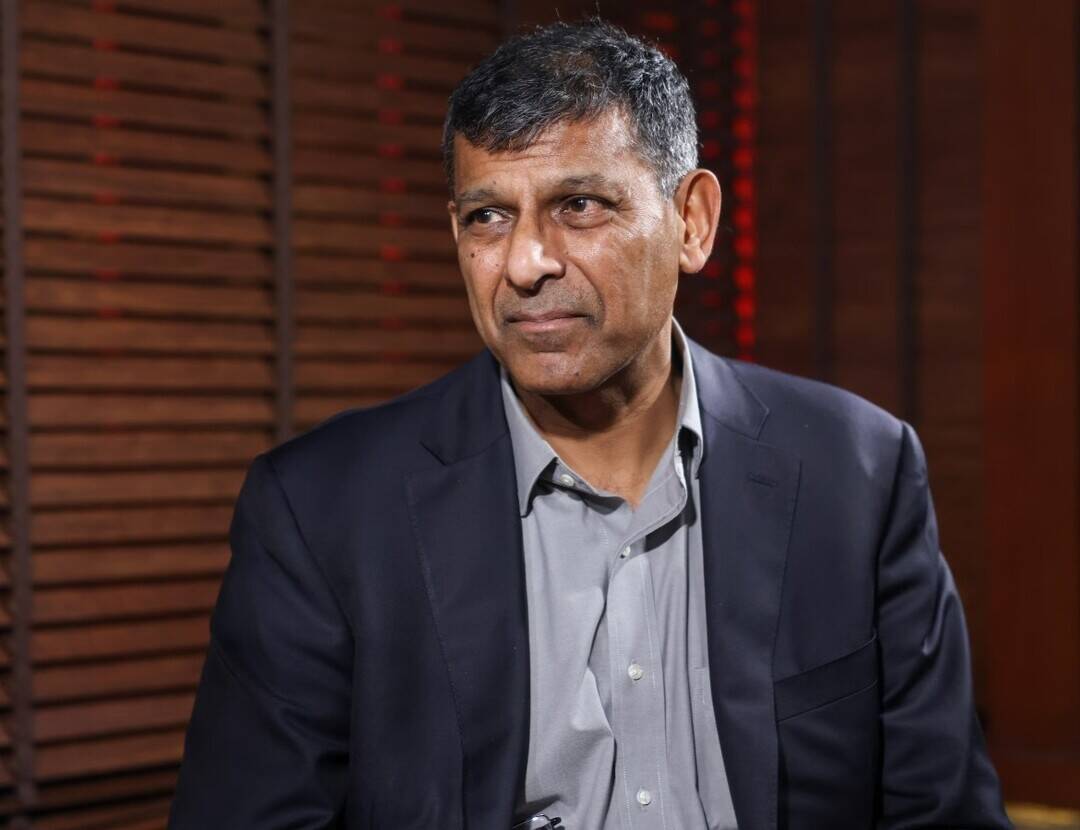
Plumbers will survive AI: Raghuram Rajan as he flags shortcomings in Indian education
The world is on the cusp of a technological revolution, with Artificial Intelligence (AI) and automation changing the landscape of various industries. While many experts predict that AI will replace a significant number of jobs, former Reserve Bank of India (RBI) Governor Raghuram Rajan has a different take on the matter. According to him, hands-on jobs like that of a plumber may survive the AI wave, while a variety of other jobs go away. This statement highlights the importance of skilling and education in preparing the workforce for the challenges of the future.
Rajan’s comments came as he pointed to the shortcomings in the Indian education system, emphasizing the need for a good skilling model. “We need to find a good skilling model…It’s not rocket science,” he said. This statement underscores the fact that India’s education system is not equipped to provide the necessary skills to students, making them unprepared for the job market. The emphasis on theoretical knowledge over practical skills has led to a shortage of skilled workers in various industries, including manufacturing, construction, and services.
The former RBI Governor further suggested that Indians must understand that not everyone needs a college degree. This is a significant statement, as it challenges the traditional notion that a college degree is essential for success. In reality, many jobs require specific skills and training, which can be acquired through vocational courses, apprenticeships, or on-the-job training. By recognizing the value of these alternative paths, India can create a more skilled and employable workforce.
The importance of hands-on skills cannot be overstated. As AI and automation take over routine and repetitive tasks, the demand for skilled workers who can perform complex tasks, solve problems, and think creatively will increase. Plumbers, electricians, carpenters, and other tradespeople will continue to be in demand, as their skills are difficult to replicate with machines. Moreover, these jobs often require a high degree of problem-solving, critical thinking, and adaptability, making them less susceptible to automation.
On the other hand, jobs that involve repetitive tasks, data entry, and basic customer service are more likely to be automated. This is already happening in various industries, where chatbots, virtual assistants, and automated systems are replacing human workers. While this may lead to significant productivity gains and cost savings, it also poses a significant challenge to workers who are not equipped with the necessary skills to adapt to the changing job market.
To address this challenge, India needs to revamp its education system to focus on skilling and vocational training. This can be achieved by introducing vocational courses in schools, providing apprenticeships and on-the-job training, and promoting entrepreneurship and innovation. By doing so, India can create a workforce that is equipped to meet the demands of the future, where AI and automation are increasingly prevalent.
Moreover, the government and industry must work together to create a framework for skilling and upskilling workers. This can include initiatives such as vocational training programs, certification courses, and lifelong learning opportunities. By providing workers with the necessary skills and training, India can ensure that its workforce remains competitive and relevant in the face of technological change.
In conclusion, Raghuram Rajan’s statement highlights the importance of skilling and education in preparing the workforce for the challenges of the future. While AI and automation may replace some jobs, hands-on jobs like that of a plumber will survive the AI wave. By recognizing the value of alternative paths to college degrees and promoting vocational training and skilling, India can create a more skilled and employable workforce. As the country continues to grapple with the challenges of technological change, it is essential to address the shortcomings in the Indian education system and create a framework for skilling and upskilling workers.
About the Author