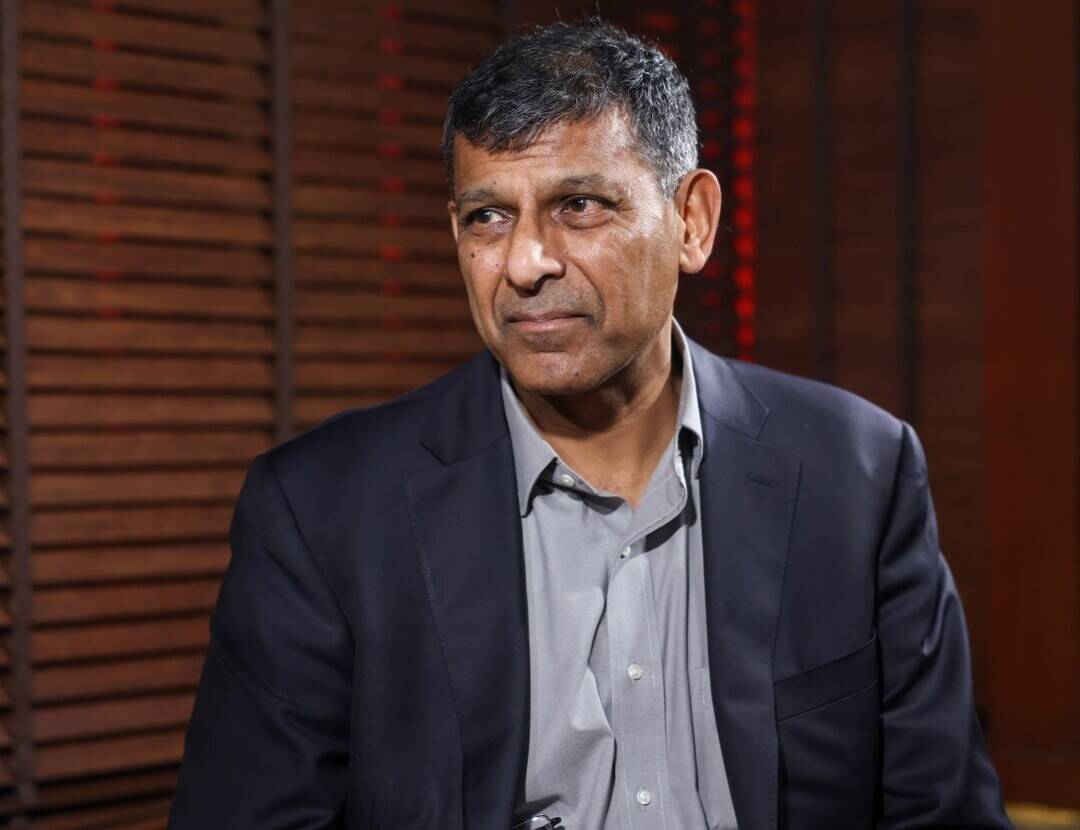
Plumbers will survive AI: Raghuram Rajan as he flags shortcomings in Indian education
The world is abuzz with the concept of Artificial Intelligence (AI) and its potential to revolutionize the way we live and work. While many experts predict that AI will automate a significant number of jobs, former RBI Governor Raghuram Rajan has a different take on the matter. According to him, hands-on jobs like that of a plumber may survive the AI wave, while a variety of other jobs may become obsolete. Rajan’s statement highlights the shortcomings in the Indian education system and the need for a good skilling model to prepare the workforce for the changing job market.
Rajan’s comments come at a time when the Indian government is pushing for the adoption of AI and other emerging technologies to drive economic growth. However, the former RBI Governor cautions that the country’s education system is not equipped to provide the necessary skills to the workforce to take advantage of these technologies. “We need to find a good skilling model…It’s not rocket science,” he said, emphasizing the need for a more practical approach to education and training.
The Indian education system has long been criticized for its focus on theoretical knowledge and lack of emphasis on practical skills. The system is designed to produce graduates who are proficient in bookish knowledge, but often lack the skills required to succeed in the real world. This has resulted in a large number of unemployed graduates, who are not equipped to take on the challenges of the modern workforce.
Rajan’s suggestion that not everyone needs a college degree is a significant departure from the conventional wisdom in India. For decades, a college degree has been seen as the ultimate goal of education, and many parents push their children to pursue higher education, regardless of their interests or aptitudes. However, Rajan’s statement highlights the need for a more nuanced approach to education, one that recognizes the value of vocational training and skills-based education.
The importance of hands-on jobs like plumbing, electrical work, and carpentry cannot be overstated. These jobs require a high degree of skill and expertise, and are essential to the functioning of modern society. While AI may automate many routine tasks, it is unlikely to replace the need for skilled tradespeople, who can fix a leaky pipe, install a new electrical system, or build a house.
In fact, many countries are now recognizing the value of vocational training and are investing heavily in programs that provide young people with the skills they need to succeed in the workforce. Germany, for example, has a well-established apprenticeship program, which provides young people with on-the-job training and a recognized qualification. Similarly, countries like Australia and the UK are also investing in vocational training programs, which provide students with the skills they need to succeed in the modern workforce.
India can learn from these examples and develop its own skilling model, which recognizes the value of hands-on jobs and provides young people with the skills they need to succeed. This will require a significant overhaul of the education system, which will need to be more flexible and adaptable to the changing needs of the workforce. It will also require a greater emphasis on vocational training and skills-based education, which can provide young people with the skills they need to succeed in the modern workforce.
In conclusion, Raghuram Rajan’s statement highlights the shortcomings in the Indian education system and the need for a good skilling model to prepare the workforce for the changing job market. While AI may automate many routine tasks, hands-on jobs like plumbing will survive the AI wave, and it is essential that we provide young people with the skills they need to succeed in these jobs. By recognizing the value of vocational training and skills-based education, we can create a more nuanced approach to education, one that prepares young people for the challenges of the modern workforce.
About the Author