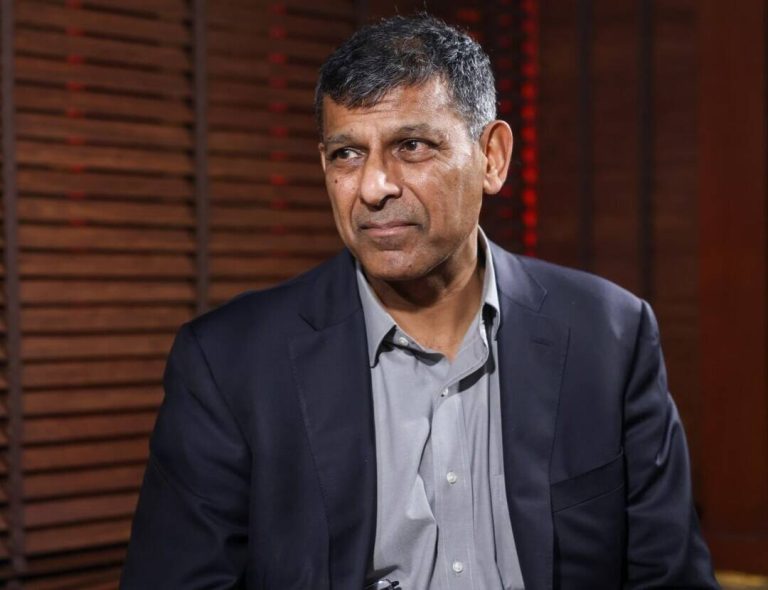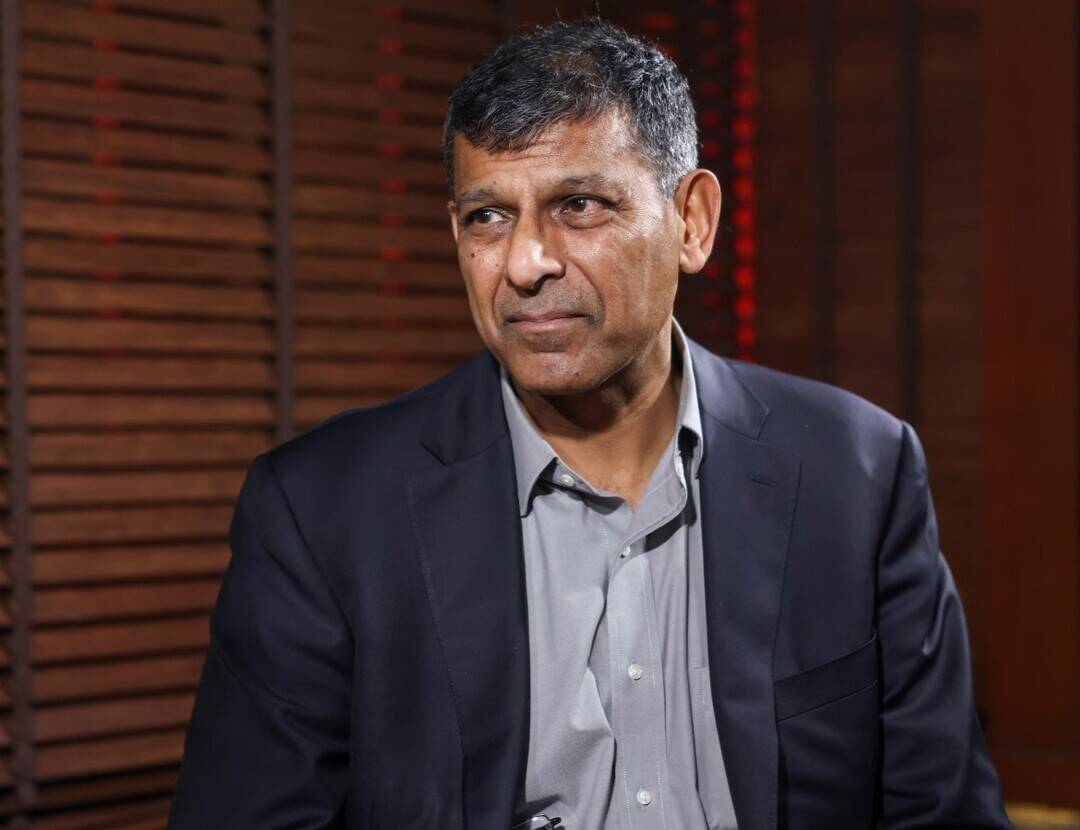
Plumbers will survive AI: Raghuram Rajan as he flags shortcomings in Indian education
The world is abuzz with the concept of Artificial Intelligence (AI) and its potential to disrupt various industries and job markets. While many experts predict that AI will lead to widespread job losses, former Reserve Bank of India (RBI) Governor Raghuram Rajan has a different take on the issue. According to Rajan, hands-on jobs like that of a plumber may survive the AI wave, while a variety of other jobs may become obsolete. In a recent statement, Rajan pointed to the shortcomings in the Indian education system, emphasizing the need for a good skilling model to prepare the workforce for the changing job market.
Rajan’s comments come at a time when India is grappling with the challenges of a rapidly changing job market. With the increasing adoption of automation and AI, many jobs are at risk of being replaced by machines. However, Rajan believes that jobs that require human skills, such as plumbing, carpentry, and electrical work, will continue to be in demand. These jobs require a level of human expertise and problem-solving skills that are difficult to replicate with machines.
The former RBI Governor also stressed the importance of skilling and training in preparing the Indian workforce for the future. “We need to find a good skilling model…It’s not rocket science,” he said. Rajan’s comments highlight the need for a more practical and vocational approach to education, one that focuses on developing skills that are relevant to the job market. This approach would enable individuals to acquire the skills they need to succeed in their chosen careers, rather than simply pursuing a college degree.
Rajan’s suggestion that not everyone needs a college degree is a significant one. In India, there is often a strong emphasis on pursuing higher education, with many students feeling pressured to enroll in college programs. However, this approach can be limiting, as it fails to recognize the value of vocational training and skills-based education. By promoting a more diverse range of educational pathways, India can help to create a more skilled and adaptable workforce, one that is better equipped to thrive in a rapidly changing job market.
The issue of skilling and training is a critical one in India, where millions of young people are entering the workforce every year. The country’s education system is often criticized for being overly theoretical, with a focus on rote learning and memorization rather than practical skills and problem-solving. This approach can leave students ill-prepared for the demands of the modern workplace, where creativity, critical thinking, and adaptability are highly valued.
To address these shortcomings, India needs to invest in a more comprehensive and inclusive skilling ecosystem. This would involve providing access to high-quality vocational training programs, as well as opportunities for apprenticeships and on-the-job training. By doing so, India can help to create a more skilled and competitive workforce, one that is better equipped to succeed in a rapidly changing global economy.
Rajan’s comments also highlight the need for a more nuanced approach to education and skilling. Rather than simply focusing on the number of college degrees awarded, India needs to prioritize the development of skills that are relevant to the job market. This would involve working closely with industry partners to identify the skills that are in demand, and developing training programs that are tailored to meet those needs.
In conclusion, Raghuram Rajan’s comments on the future of work in India are a timely reminder of the need for a more practical and skills-based approach to education. By promoting vocational training and skilling, India can help to create a more adaptable and competitive workforce, one that is better equipped to thrive in a rapidly changing job market. As Rajan noted, “We need to find a good skilling model…It’s not rocket science.” By prioritizing skilling and training, India can help to ensure that its workforce is prepared for the challenges of the future, and that jobs like that of a plumber will continue to survive and thrive in an AI-driven world.
About the Author