Germany to send troops to Poland border amid threats from Russia
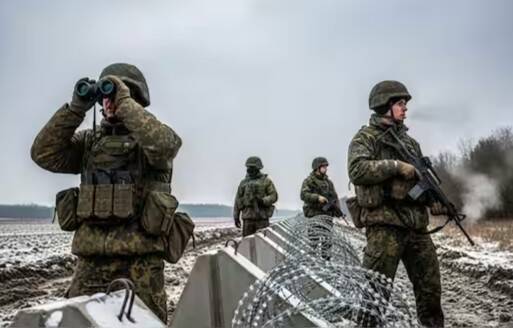
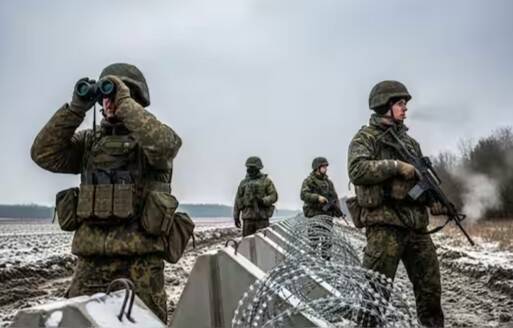
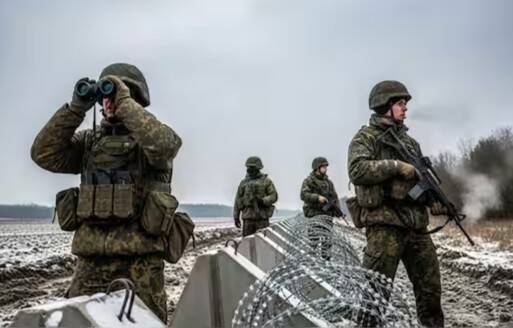
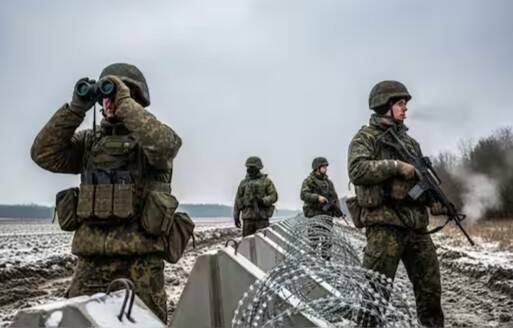
In a significant development, Germany announced that it would be sending a contingent of troops to Poland to assist the country’s eastern frontier amid rising concerns over potential threats from Russia. The deployed troops would be tasked with engineering work, said Berlin’s defence ministry. Their duties would involve building defensive structures, excavating trenches, installing barbed wire and anti-tank obstacles. This move is seen as a strategic effort to bolster Poland’s border security and demonstrate Germany’s commitment to its NATO ally.
The decision to deploy German troops to Poland comes at a time when tensions between Russia and the West are running high. Russia’s ongoing conflict with Ukraine has raised concerns about the potential for further aggression in the region. Poland, which shares a border with Russia’s Kaliningrad exclave, has been vocal about its concerns regarding Russian expansionism. The deployment of German troops is expected to provide a significant boost to Poland’s military capabilities and help deter any potential threats from Russia.
The engineering work to be carried out by the German troops will focus on strengthening Poland’s border infrastructure. This will include the construction of defensive structures, such as bunkers and watchtowers, as well as the excavation of trenches and the installation of barbed wire and anti-tank obstacles. These measures are designed to prevent any potential incursion by Russian forces and provide a secure environment for Polish troops to operate.
Germany’s decision to deploy troops to Poland is also seen as a demonstration of its commitment to the NATO alliance. As a key member of the alliance, Germany has a responsibility to contribute to the collective defence of its allies. The deployment of troops to Poland is a tangible expression of this commitment and underscores Germany’s willingness to take concrete steps to support its allies in the face of potential threats.
The move is also expected to have a significant impact on the regional security landscape. The presence of German troops on Poland’s eastern border will serve as a deterrent to any potential Russian aggression. It will also provide a boost to the morale of Polish troops, who will be able to operate with greater confidence knowing that they have the support of their German allies.
The deployment of German troops to Poland is not without its challenges, however. The move is likely to be seen as a provocation by Russia, which has been critical of NATO’s expansion into Eastern Europe. Russia has long viewed NATO’s presence in the region as a threat to its national security and has taken steps to counter what it sees as a growing military presence on its borders.
Despite these challenges, the deployment of German troops to Poland is a necessary step to ensure the security and stability of the region. The move demonstrates Germany’s commitment to its NATO allies and its willingness to take concrete steps to support them in the face of potential threats. As the security landscape in Eastern Europe continues to evolve, it is likely that we will see further deployments of troops and equipment to the region.
In conclusion, Germany’s decision to send troops to Poland’s eastern border is a significant development that underscores the country’s commitment to its NATO allies and its willingness to take concrete steps to support them in the face of potential threats. The deployment of troops will provide a significant boost to Poland’s military capabilities and help deter any potential threats from Russia. As the security landscape in Eastern Europe continues to evolve, it is likely that we will see further deployments of troops and equipment to the region.
About the Author