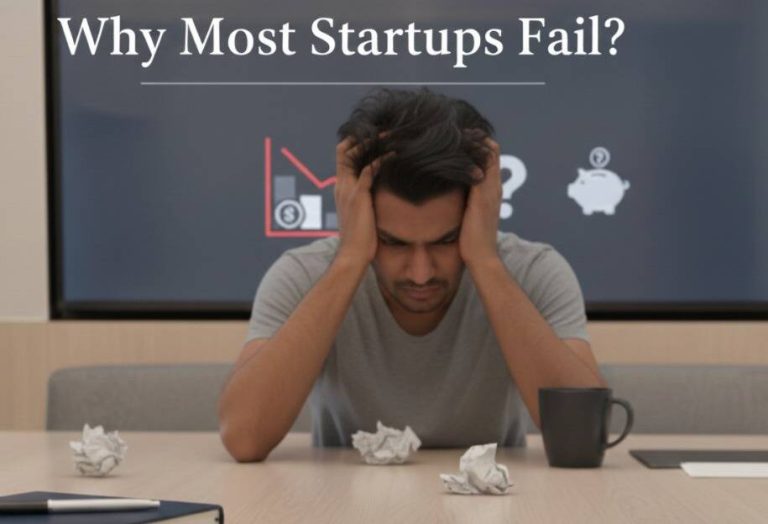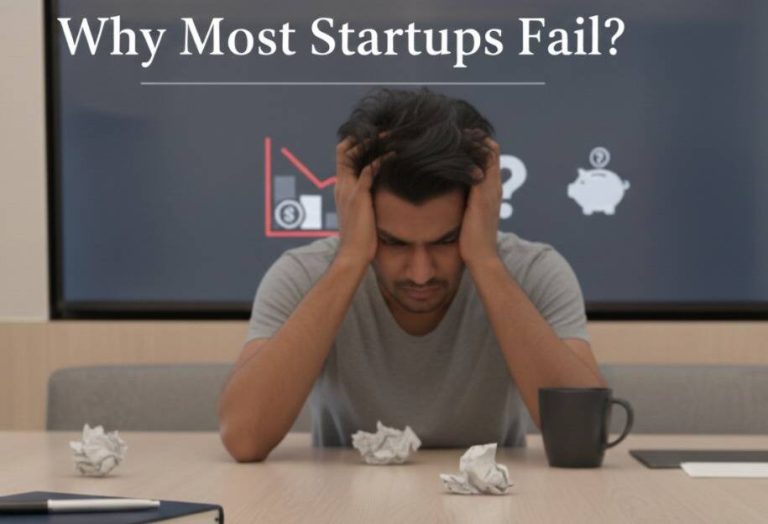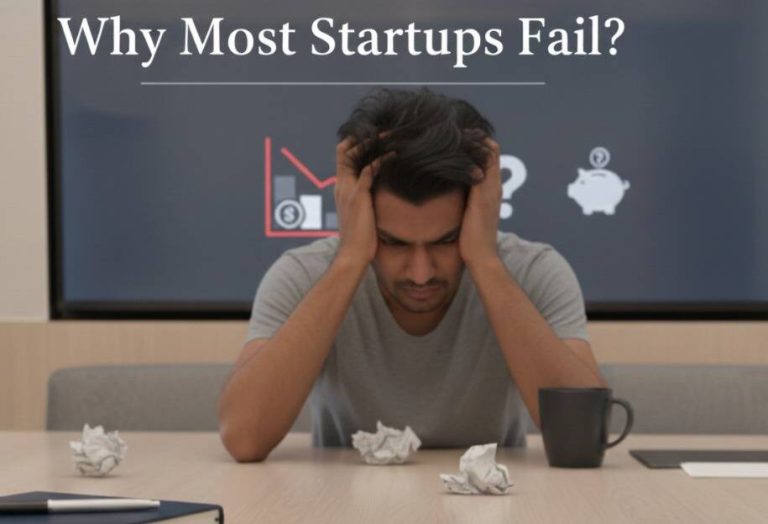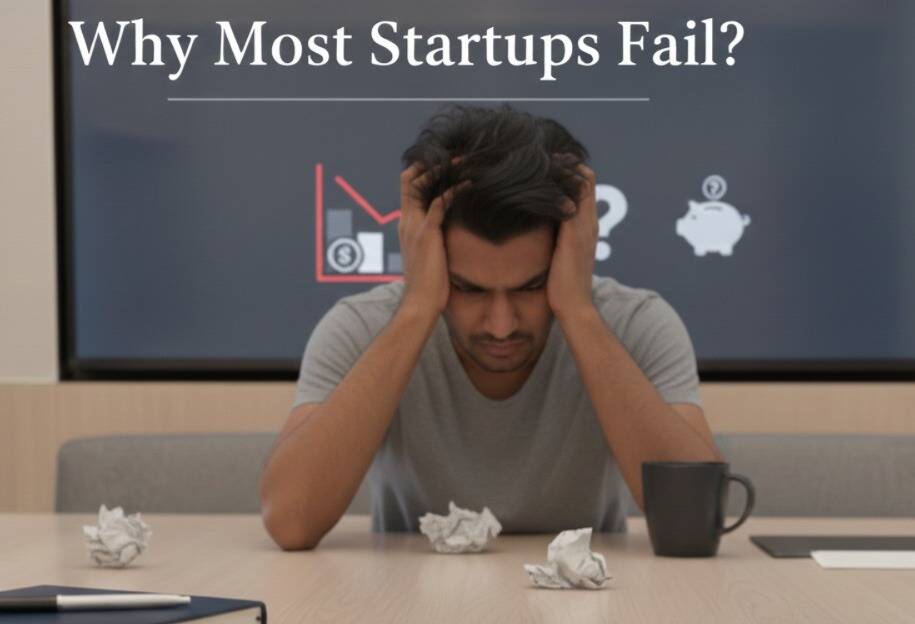
Why most startups fail despite big ideas and funding?
The startup ecosystem is known for its high-risk, high-reward nature. Every year, thousands of new startups emerge with innovative ideas, cutting-edge technology, and significant funding. However, despite the initial buzz and investment, a staggering number of startups fail to succeed. In fact, it’s estimated that up to 90% of startups fail, with many shutting down within the first few years of operation.
So, what goes wrong? Is it the lack of a good idea, inadequate funding, or something else entirely? According to founders and industry leaders, the reasons for startup failure are more nuanced and complex. In many cases, it’s not the idea itself that’s the problem, but rather the execution, market demand, and financial management.
In this post, we’ll explore the three key mistakes that contribute to startup failure, despite big ideas and funding. We’ll also examine the importance of customer validation, controlled spending, and adaptability in ensuring the success of a startup.
Lack of real market demand
One of the most significant reasons startups fail is the lack of real market demand for their product or service. Many founders assume that their idea is revolutionary and will automatically attract customers. However, this assumption often proves to be incorrect. Without a thorough understanding of the target market, customer needs, and preferences, startups can end up creating a product that nobody wants or needs.
Customer validation is a critical step in the startup journey. It involves testing the product or service with a small group of potential customers to gauge their interest and gather feedback. This process helps founders refine their idea, identify potential pitfalls, and make necessary adjustments before scaling up.
Startups that skip customer validation often end up building a product that doesn’t meet the needs of their target market. This can lead to a lack of traction, poor sales, and ultimately, shutdown. On the other hand, startups that prioritize customer validation can create a product that resonates with their target audience, driving growth and revenue.
Uncontrolled cash burn
Another significant reason startups fail is uncontrolled cash burn. Many founders, especially those with significant funding, tend to overspend on unnecessary expenses, such as lavish offices, expensive marketing campaigns, and high salaries. While some investment in these areas may be necessary, excessive spending can quickly deplete a startup’s resources, leaving it vulnerable to financial instability.
Startups need to be frugal and efficient with their spending, especially in the early stages. This means prioritizing essential expenses, such as product development, customer acquisition, and talent hiring. It also involves carefully managing cash flow, forecasting revenue, and making adjustments as needed.
Uncontrolled cash burn can lead to a range of problems, including reduced runway, decreased valuation, and increased pressure from investors. Startups that fail to manage their finances effectively often find themselves in a difficult position, with limited options for raising additional capital or achieving profitability.
Weak execution
The final key mistake that contributes to startup failure is weak execution. This can manifest in various ways, such as poor product development, inadequate marketing, or ineffective team management. Startups that fail to execute their vision effectively often struggle to gain traction, drive revenue, and achieve scale.
Weak execution can be attributed to a range of factors, including inadequate talent, insufficient resources, or poor decision-making. Startups need to prioritize building a strong, capable team that can drive the business forward. This involves hiring experienced professionals, investing in talent development, and fostering a culture of innovation and experimentation.
Additionally, startups need to be adaptable and willing to pivot when necessary. This involves continuously monitoring the market, gathering customer feedback, and making adjustments to the product or service as needed. Startups that fail to adapt quickly often find themselves stuck in a rut, unable to respond to changing market conditions or customer needs.
Conclusion
Startups fail for a range of reasons, despite big ideas and funding. Lack of real market demand, uncontrolled cash burn, and weak execution are three key mistakes that can derail even the most promising startups. By prioritizing customer validation, controlled spending, and adaptability, founders can increase their chances of success and build a sustainable, scalable business.
It’s essential for startups to stay focused on the fundamentals, rather than getting caught up in the hype and excitement of the startup ecosystem. By doing so, they can create a solid foundation for growth, drive revenue, and achieve long-term success.
For more insights on the startup ecosystem and industry trends, visit: https://ascendants.in/industry_events/why-most-startups-fail-3-key-mistakes/
About the Author