Plumbers will survive AI: Raghuram Rajan as he flags shortcomings in Indian education
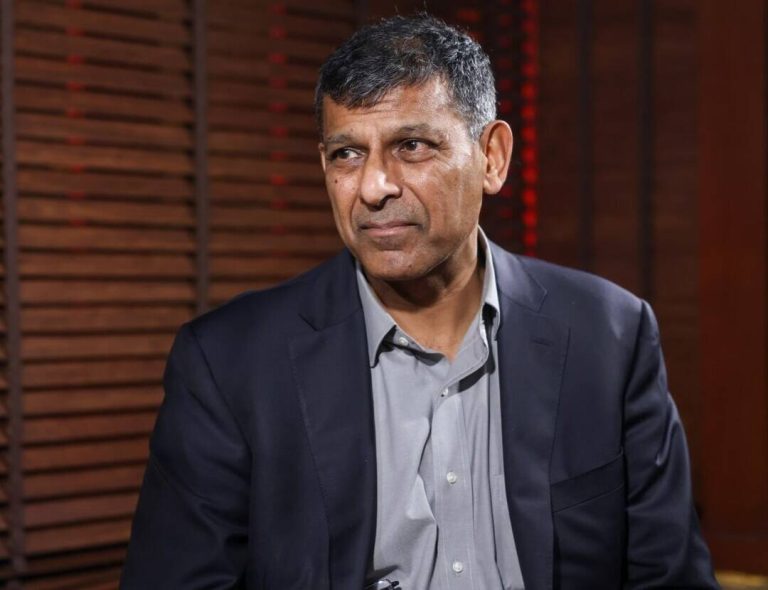
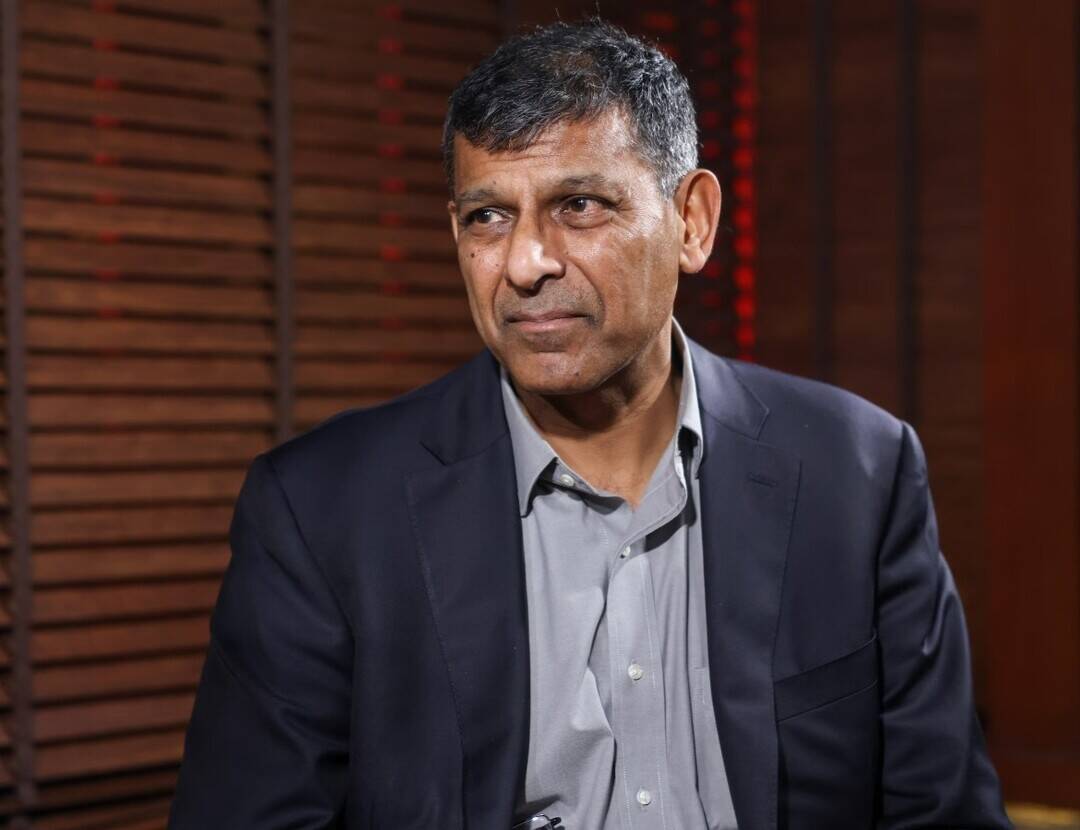
The world is abuzz with the rapid advancements in Artificial Intelligence (AI) and its potential impact on the job market. While many experts predict that AI will replace a significant number of jobs, former Reserve Bank of India (RBI) Governor Raghuram Rajan has a different take on the matter. According to Rajan, hands-on jobs like that of a plumber may survive the AI wave, while a variety of other jobs go away. This statement highlights the importance of skills training and education in preparing the workforce for the changing job market.
Rajan’s comments come at a time when the Indian education system is facing significant challenges. The system has been criticized for its emphasis on theoretical knowledge over practical skills, leaving many graduates unprepared for the workforce. Rajan pointed to these shortcomings, stating, “We need to find a good skilling model…It’s not rocket science.” He further suggested that Indians must understand that not everyone needs a college degree. This is a significant shift in thinking, as the traditional Indian education system has always placed a high value on academic degrees.
The emphasis on academic degrees has led to a mismatch between the skills of graduates and the needs of the industry. Many graduates are finding it difficult to secure jobs, not because they lack the necessary qualifications, but because they lack the practical skills required by employers. This is where vocational training and skills development programs can play a crucial role. By providing individuals with hands-on training in specific skills, these programs can help bridge the gap between education and employment.
Rajan’s comments on the survival of plumbers in the AI era are particularly insightful. Plumbers, electricians, and other tradespeople possess skills that are difficult to automate. These jobs require a combination of physical labor, problem-solving, and human interaction, making them less susceptible to replacement by AI. Moreover, as the Indian economy continues to grow, the demand for these skilled workers is likely to increase. Therefore, it is essential to invest in skills training programs that can provide individuals with the necessary skills to fill these gaps.
The Indian government has already taken steps to address the issue of skills training. The Skill India initiative, launched in 2015, aims to provide vocational training to millions of Indians. The program has made significant progress, with many individuals benefiting from the training programs. However, more needs to be done to address the scale and complexity of the issue. As Rajan suggested, finding a good skilling model is crucial to preparing the workforce for the changing job market.
Another important aspect of Rajan’s comments is the need to change the mindset of Indians towards education. The traditional emphasis on academic degrees has led to a culture where many parents and students prioritize degrees over skills training. This needs to change, as not everyone needs a college degree to secure a good job. In fact, many skilled tradespeople, such as plumbers and electricians, can earn a good income without a degree. By recognizing the value of skills training and vocational education, Indians can begin to shift their focus towards more practical and relevant forms of education.
In conclusion, Raghuram Rajan’s comments on the survival of plumbers in the AI era highlight the importance of skills training and education in preparing the workforce for the changing job market. The Indian education system needs to undergo a significant transformation, with a greater emphasis on practical skills and vocational training. By investing in skills development programs and changing the mindset of Indians towards education, we can ensure that the workforce is equipped to thrive in an era of rapid technological change. As Rajan said, “We need to find a good skilling model…It’s not rocket science.” The time to act is now, and it is essential that we take immediate action to address the shortcomings in the Indian education system.
About the Author