Plumbers will survive AI: Raghuram Rajan as he flags shortcomings in Indian education
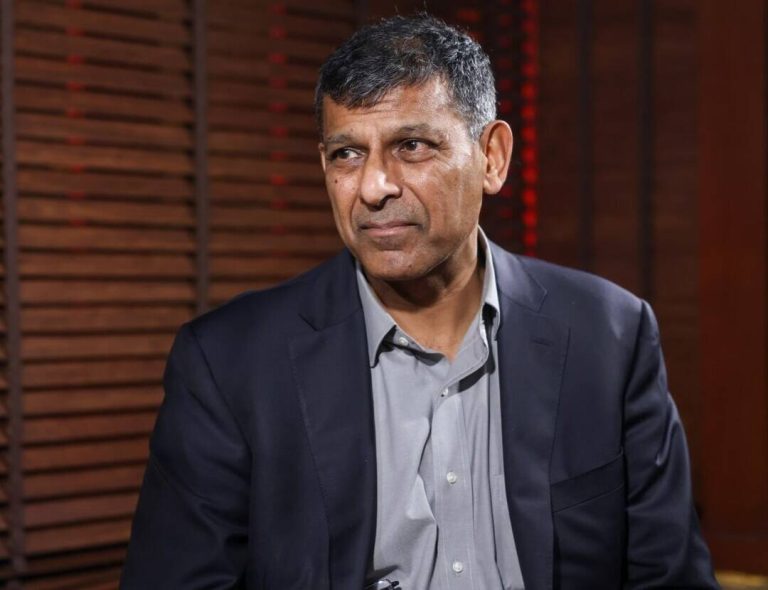
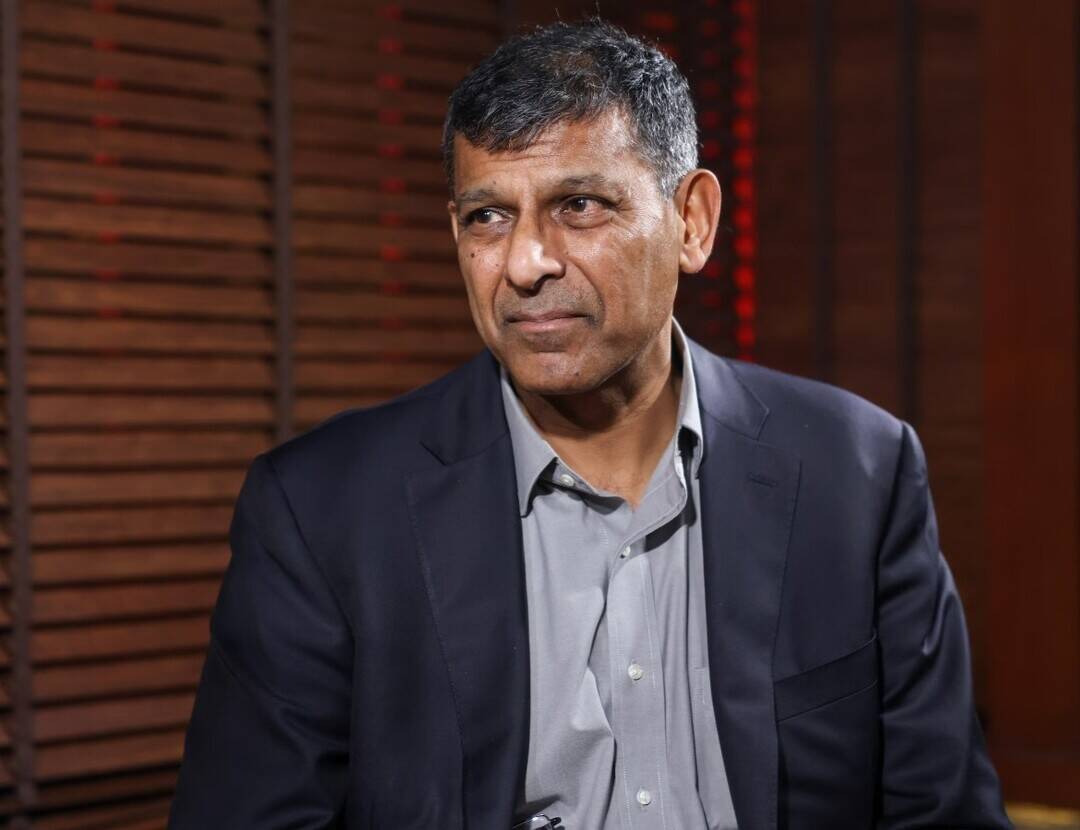
The advent of Artificial Intelligence (AI) has sent shockwaves across the globe, with many experts predicting that it will revolutionize the way we work and live. While some jobs may become obsolete due to automation, others may survive the AI wave. According to former Reserve Bank of India (RBI) Governor Raghuram Rajan, hands-on jobs like that of a plumber may be among the ones that will survive the AI revolution. In a recent statement, Rajan pointed to the shortcomings in the Indian education system, highlighting the need for a good skilling model to prepare the workforce for the changing job market.
Rajan’s statement comes at a time when there is a growing concern about the impact of AI on employment. Many experts believe that AI will automate routine and repetitive tasks, leading to job losses in certain sectors. However, Rajan’s comments suggest that jobs that require human skills, such as plumbers, electricians, and carpenters, may be less susceptible to automation. These jobs require a combination of technical knowledge, problem-solving skills, and physical dexterity, making them difficult to replicate with machines.
The former RBI Governor also emphasized the need for a good skilling model in India, stating that “it’s not rocket science.” He suggested that Indians must understand that not everyone needs a college degree to be successful. Instead, there is a need to focus on vocational training and skill development, which can provide individuals with the skills required to succeed in the job market. This approach can help address the issue of unemployment and underemployment in India, where many graduates struggle to find jobs that match their skills and qualifications.
Rajan’s comments are significant, given the current state of the Indian education system. The system is often criticized for being theoretical and lacking in practical skills. Many students graduate without the necessary skills to succeed in the job market, leading to a mismatch between the skills required by employers and the skills possessed by job seekers. By promoting vocational training and skill development, India can address this issue and provide its workforce with the skills required to compete in the global market.
Moreover, the focus on skilling and vocational training can also help address the issue of inequality in India. Many students from disadvantaged backgrounds lack access to quality education and training, making it difficult for them to compete with their peers from more affluent backgrounds. By providing access to vocational training and skill development programs, India can help level the playing field and provide opportunities for individuals from all backgrounds to succeed.
The importance of skilling and vocational training is not limited to India. Many countries around the world are recognizing the need to focus on practical skills and vocational training to prepare their workforces for the changing job market. In countries like Germany and Switzerland, vocational training is highly valued, and many students opt for apprenticeships and skill development programs instead of traditional college degrees.
In addition to promoting vocational training and skill development, India also needs to focus on improving the quality of its education system. This can be achieved by investing in teacher training, improving infrastructure, and promoting innovative learning methods. By doing so, India can provide its students with a well-rounded education that prepares them for the challenges of the 21st century.
In conclusion, Raghuram Rajan’s statement highlights the need for India to focus on skilling and vocational training to prepare its workforce for the changing job market. While AI may automate certain tasks, hands-on jobs like that of a plumber may survive the AI wave. By promoting vocational training and skill development, India can address the issue of unemployment and underemployment, provide opportunities for individuals from all backgrounds to succeed, and prepare its workforce for the challenges of the 21st century.
About the Author