Plumbers will survive AI: Raghuram Rajan as he flags shortcomings in Indian education
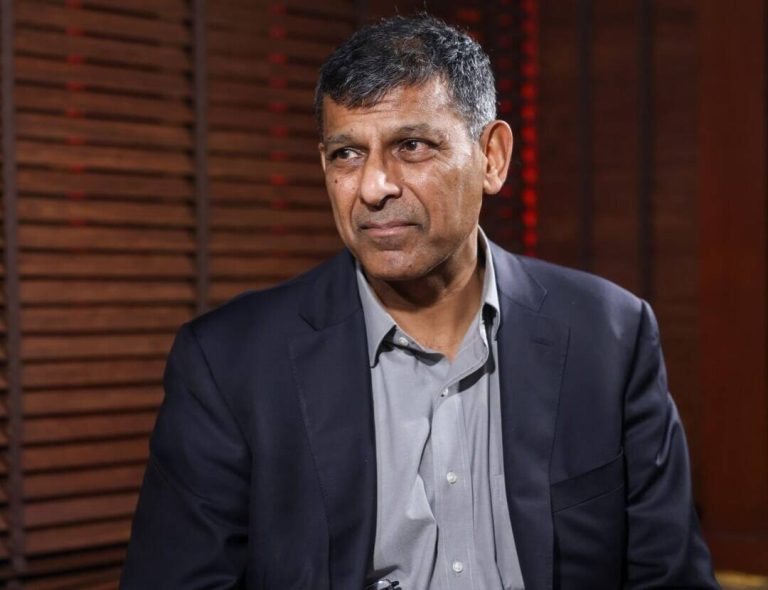
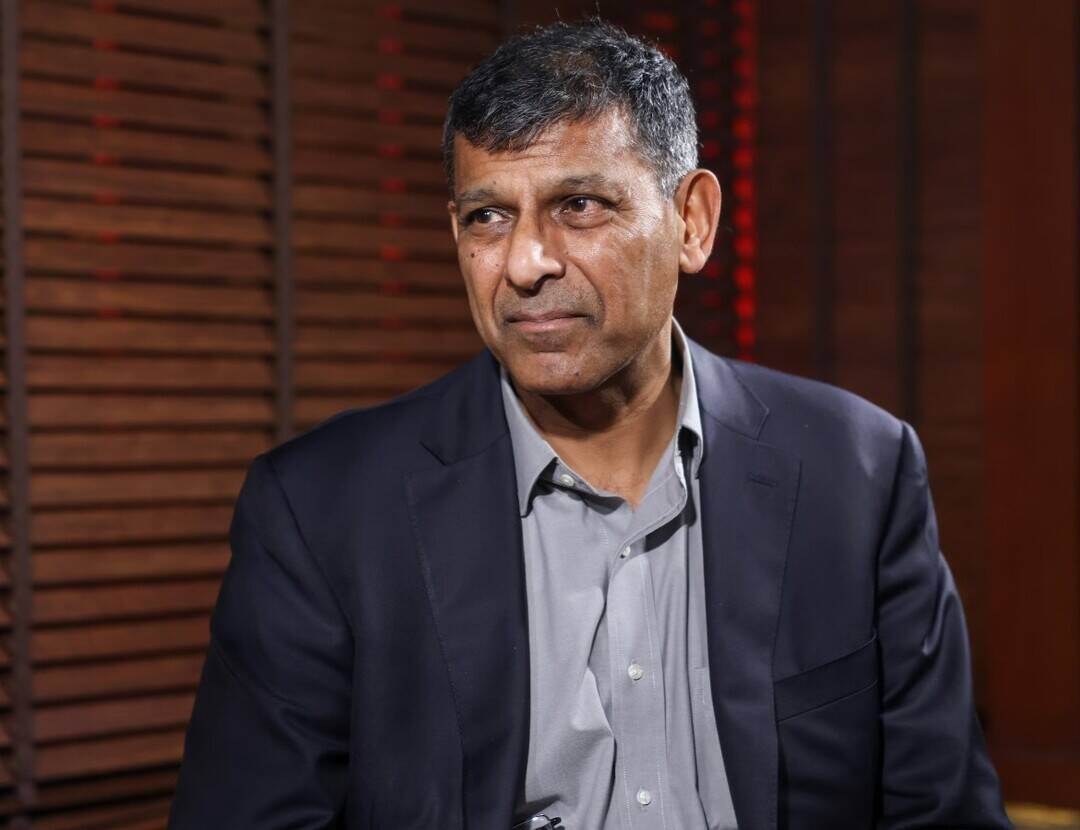
The world is currently grappling with the impact of Artificial Intelligence (AI) on various industries and jobs. While some experts predict that AI will lead to significant job losses, others believe that it will create new opportunities for employment. In a recent statement, former Reserve Bank of India (RBI) Governor Raghuram Rajan weighed in on the debate, suggesting that hands-on jobs like that of a plumber may survive the AI wave, while a variety of other jobs may become obsolete.
Rajan’s comments come at a time when there is growing concern about the impact of automation and AI on the Indian job market. With the country’s large population and growing economy, there is a need to create employment opportunities for millions of young people entering the workforce every year. However, the Indian education system has been criticized for its shortcomings, with many graduates lacking the skills required by the industry.
According to Rajan, the key to surviving the AI wave is to acquire skills that are complementary to automation. “We need to find a good skilling model…It’s not rocket science,” he said. Rajan emphasized the importance of hands-on skills, citing the example of plumbers, who are unlikely to be replaced by AI anytime soon. “Plumbers will survive AI,” he said, highlighting the need for Indians to acquire skills that are relevant to the industry.
Rajan also pointed out that the Indian education system needs to undergo a significant overhaul. “We have a lot of people who are not being trained for jobs that exist,” he said. “We need to understand that not everyone needs a college degree.” This statement highlights the need for alternative forms of education and training that can equip students with the skills required by the industry.
The issue of skill development is a critical one in India, where millions of young people are entering the workforce every year. According to a report by the National Skill Development Corporation (NSDC), India will need to train over 400 million people by 2022 to meet the demands of the industry. However, the current education system is not equipped to provide the necessary skills, with many graduates lacking the practical experience and training required by employers.
Rajan’s comments are significant, as they highlight the need for a more nuanced approach to education and skill development in India. Rather than focusing solely on academic degrees, there is a need to provide students with hands-on training and skills that are relevant to the industry. This can be achieved through vocational training programs, apprenticeships, and other forms of skill development initiatives.
The government has already taken some steps to address the issue of skill development in India. The National Skill Development Mission, launched in 2015, aims to provide training to over 400 million people by 2022. The mission includes a range of initiatives, including vocational training programs, apprenticeships, and skill development courses.
However, more needs to be done to address the shortcomings in the Indian education system. There is a need for greater investment in vocational training and skill development programs, as well as a greater emphasis on hands-on skills and practical experience. Additionally, there is a need for greater industry-academia collaboration, with employers playing a more active role in shaping the curriculum and providing training to students.
In conclusion, Raghuram Rajan’s comments highlight the need for a more nuanced approach to education and skill development in India. With the AI wave threatening to disrupt various industries and jobs, there is a need to acquire skills that are complementary to automation. Hands-on jobs like that of a plumber may survive the AI wave, but other jobs may become obsolete. It is essential for Indians to understand that not everyone needs a college degree and that alternative forms of education and training can provide the necessary skills for employment.
As India continues to grapple with the challenges of skill development and education, it is essential to take a more comprehensive approach to addressing these issues. This includes investing in vocational training and skill development programs, promoting industry-academia collaboration, and providing students with hands-on training and practical experience. By doing so, India can equip its young people with the skills required by the industry and ensure that they are prepared for the challenges of the future.
About the Author