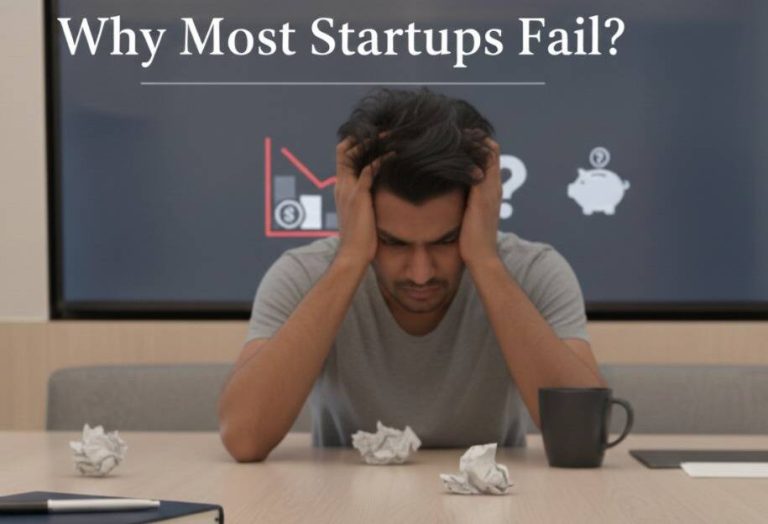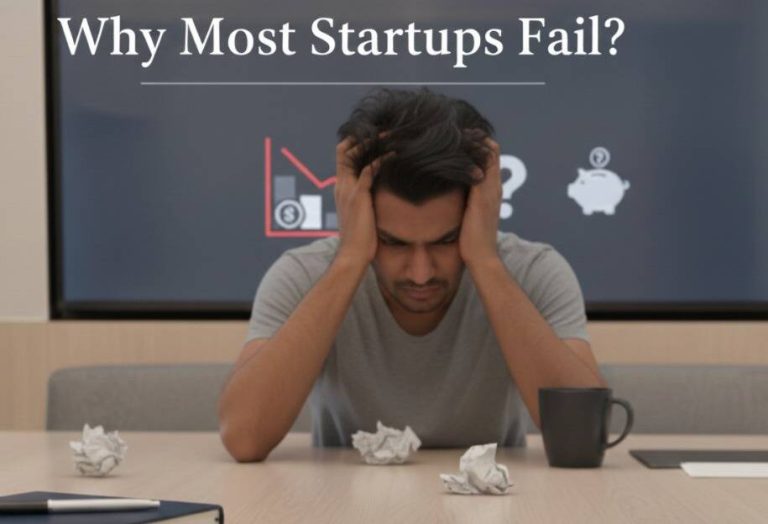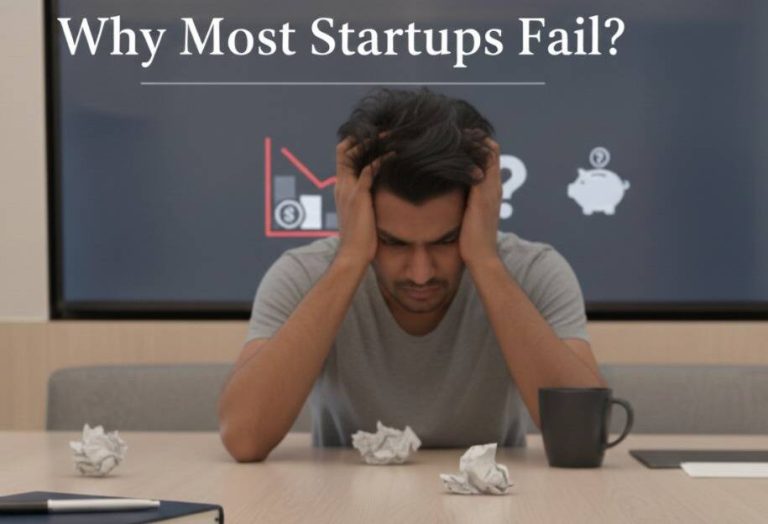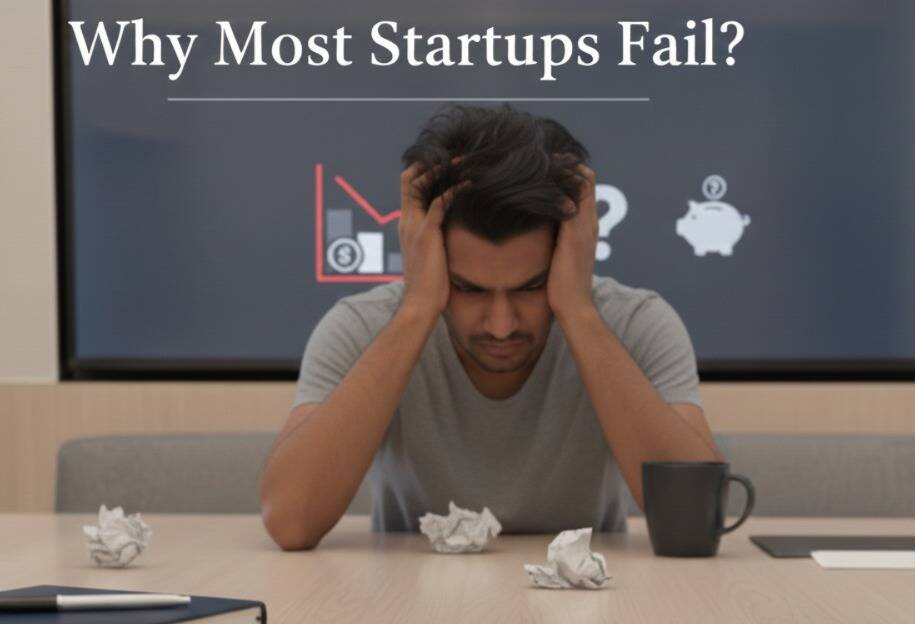
Why most startups fail despite big ideas and funding?
The startup ecosystem is a fascinating world where innovative ideas, cutting-edge technology, and entrepreneurial spirit come together to create something new and exciting. However, despite the presence of big ideas and funding, most startups fail to achieve their goals and eventually shut down. This phenomenon has puzzled many, and the question on everyone’s mind is, “What goes wrong?” Founders and industry leaders have weighed in on the issue, and their insights reveal that the reasons for startup failure are more fundamental than one might think.
According to experts, lack of real market demand, uncontrolled cash burn, and weak execution are the biggest reasons why startups fail. These factors are often overlooked in the excitement of launching a new venture, but they are crucial to a startup’s success. Startups that skip customer validation, overspend before revenue, or fail to adapt quickly to changing market conditions often find themselves on the path to failure, despite having strong technology, funding interest, or early buzz.
Lack of Real Market Demand
One of the primary reasons startups fail is that they often create solutions for problems that don’t exist or aren’t significant enough to warrant a solution. This can happen when founders fall in love with their idea and assume that others will too, without conducting thorough market research. As a result, they end up creating a product or service that doesn’t meet the needs of their target audience, leading to low adoption rates and ultimately, failure.
To avoid this mistake, startups must conduct extensive customer validation to ensure that their solution addresses a real and significant problem. This involves engaging with potential customers, gathering feedback, and iterating on the product or service until it meets their needs. By doing so, startups can increase their chances of success and create a product or service that resonates with their target audience.
Uncontrolled Cash Burn
Another reason startups fail is that they often burn through their cash reserves too quickly. This can happen when founders are overly optimistic about their revenue projections and fail to manage their expenses effectively. As a result, they may overspend on hiring, marketing, and other activities, without generating sufficient revenue to sustain their business.
To avoid this mistake, startups must be frugal and manage their expenses carefully. This involves creating a robust financial plan, prioritizing expenses, and ensuring that every dollar spent is aligned with the company’s goals. By doing so, startups can conserve their cash reserves and extend their runway, giving them more time to achieve their goals and become profitable.
Weak Execution
Finally, weak execution is another key reason why startups fail. This can happen when founders lack the necessary skills, experience, or expertise to execute their vision effectively. As a result, they may struggle to build a strong team, develop a robust product or service, or create a effective go-to-market strategy, leading to poor execution and ultimately, failure.
To avoid this mistake, startups must focus on building a strong team with the necessary skills and expertise to execute their vision. This involves hiring talented individuals, providing training and development opportunities, and creating a culture of innovation and experimentation. By doing so, startups can increase their chances of success and create a product or service that meets the needs of their target audience.
Conclusion
In conclusion, most startups fail not because their ideas are weak, but due to poor fundamentals. Lack of real market demand, uncontrolled cash burn, and weak execution are the biggest reasons why startups fail, despite having big ideas and funding. To avoid these mistakes, startups must conduct extensive customer validation, manage their expenses carefully, and focus on building a strong team with the necessary skills and expertise to execute their vision. By doing so, startups can increase their chances of success and create a product or service that resonates with their target audience.
As the startup ecosystem continues to evolve, it’s essential for founders and industry leaders to share their insights and experiences to help others avoid common mistakes. By learning from the successes and failures of others, startups can create a stronger, more resilient ecosystem that fosters innovation and entrepreneurship.
For more information on this topic, visit: https://ascendants.in/industry_events/why-most-startups-fail-3-key-mistakes/
News Source: https://ascendants.in/industry_events/why-most-startups-fail-3-key-mistakes/
About the Author