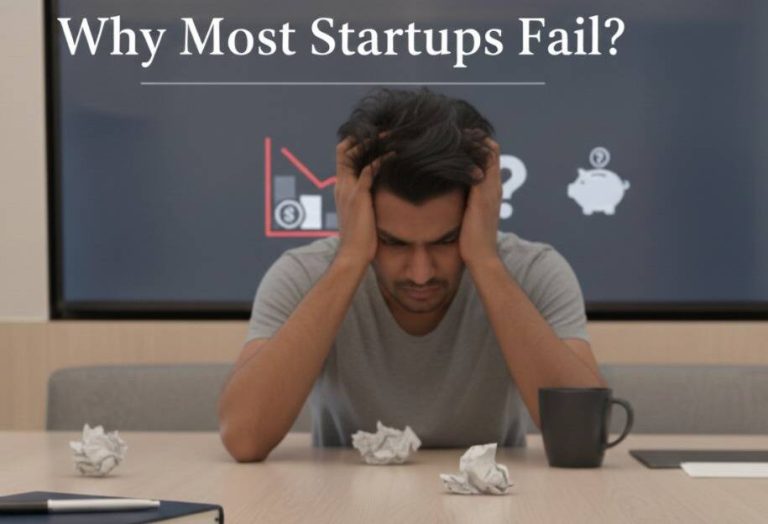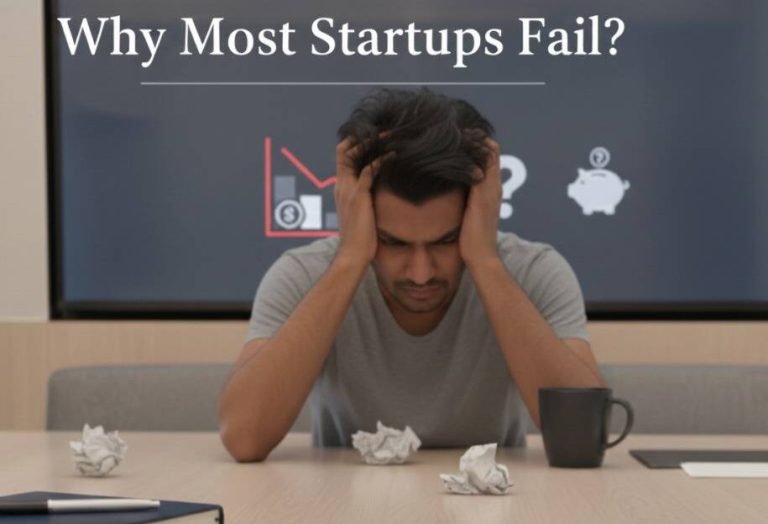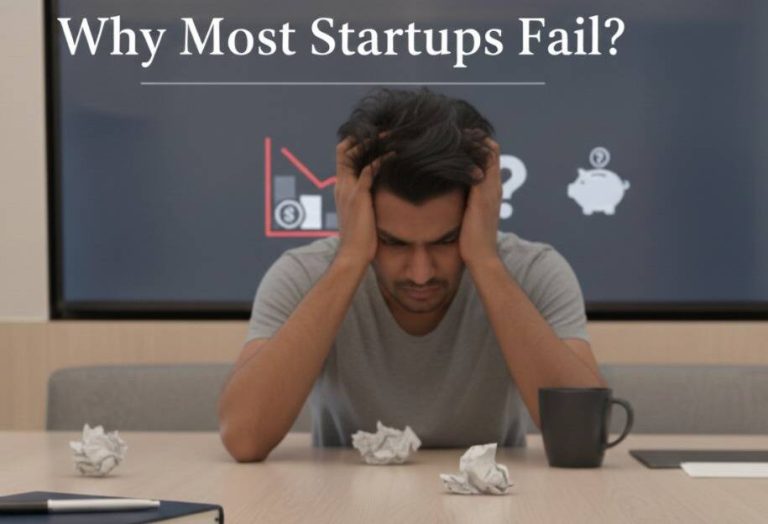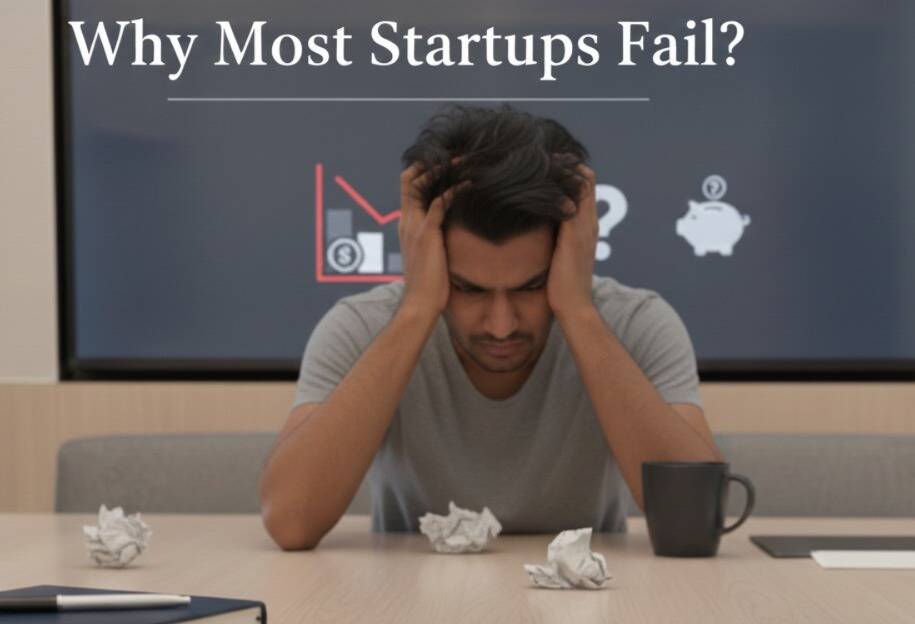
Why most startups fail despite big ideas and funding?
The startup ecosystem is known for its cutthroat competition, where only a handful of companies manage to survive and thrive. Despite having big ideas and securing significant funding, most startups fail to make a lasting impact. The question that arises is, what goes wrong? Is it the lack of innovative ideas, or is it something more fundamental? Founders and industry leaders point out that the reasons for startup failures are more nuanced, and it often boils down to poor fundamentals.
At the core of any successful startup is a deep understanding of the market and its needs. However, many startups fail to validate their ideas with potential customers, assuming that their product or service will be a hit. This lack of real market demand is a significant reason why startups fail, despite having a great idea and ample funding. Without a genuine need for their product, startups are left with a solution looking for a problem, which ultimately leads to a lack of traction and revenue.
Another critical mistake that startups make is uncontrolled cash burn. With a significant amount of funding in the bank, many founders feel pressure to spend quickly to scale their business. However, this approach often leads to overspending on unnecessary resources, hiring too many people, and investing in marketing campaigns that don’t yield the desired results. Before they know it, their cash reserves are depleted, and they are left with a struggling business that is unable to generate enough revenue to sustain itself.
Weak execution is also a significant contributor to startup failures. Many founders have a great vision, but they struggle to translate that vision into a viable business. This can be due to a lack of experience, poor management, or an inability to adapt quickly to changing market conditions. Startups that fail to execute effectively are often unable to deliver a quality product or service, which leads to dissatisfied customers and a loss of reputation.
It’s not uncommon to see startups with strong technology, funding interest, or early buzz shut down due to their inability to address these fundamental issues. The reality is that having a great idea and securing funding is just the beginning. The real challenge lies in executing the idea, validating it with customers, and adapting to the ever-changing market landscape.
So, what can startups do to avoid these common pitfalls? The first step is to conduct thorough customer validation to ensure that there is a real market demand for their product or service. This involves engaging with potential customers, gathering feedback, and iterating on the idea until it meets their needs. By doing so, startups can reduce the risk of launching a product that nobody wants or needs.
The second step is to manage cash flow effectively. Startups should prioritize frugality and focus on generating revenue as quickly as possible. This means being mindful of expenses, avoiding unnecessary hires, and investing in marketing campaigns that yield measurable results. By being financially disciplined, startups can extend their runway and give themselves more time to figure out their business model.
Finally, startups need to focus on execution and be adaptable. This means having a strong management team in place, being agile, and willing to pivot when necessary. Startups should prioritize delivering a quality product or service and continually gather feedback from customers to improve and refine their offering.
In conclusion, most startups fail not because their ideas are weak, but due to poor fundamentals. The lack of real market demand, uncontrolled cash burn, and weak execution are the biggest reasons why startups fail, despite having big ideas and significant funding. By conducting thorough customer validation, managing cash flow effectively, and focusing on execution, startups can avoid these common pitfalls and set themselves up for success. As the startup ecosystem continues to evolve, it’s essential for founders and industry leaders to prioritize these fundamentals and create a more sustainable and thriving ecosystem.
Source:
https://ascendants.in/industry_events/why-most-startups-fail-3-key-mistakes/
About the Author