Why most startups fail despite big ideas and funding?
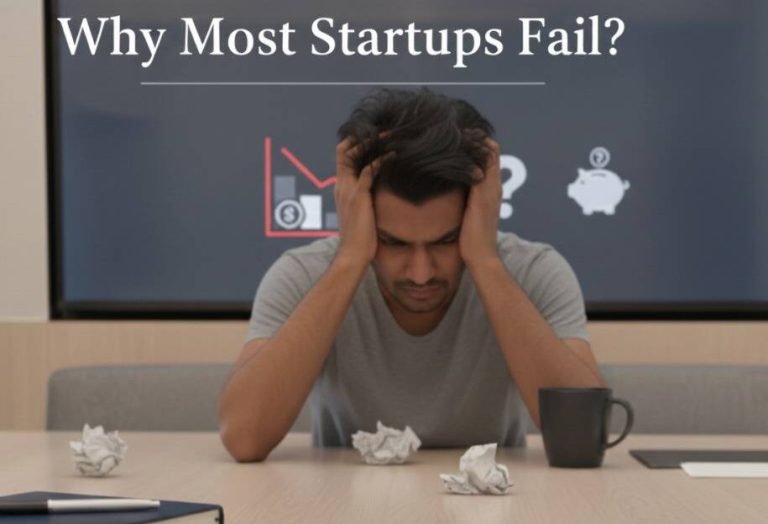
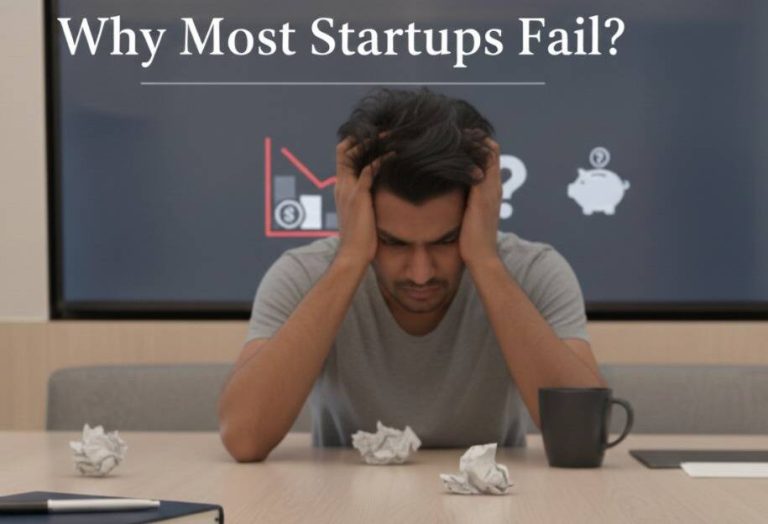
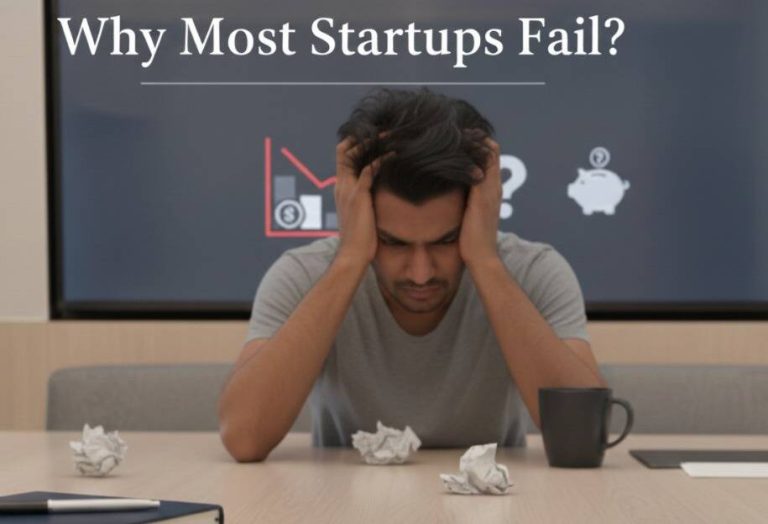
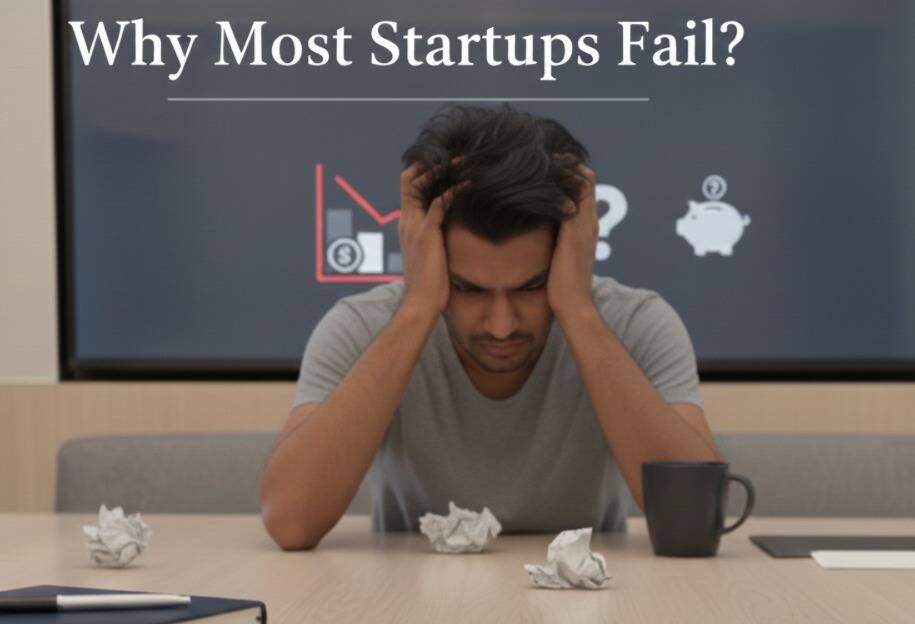
The startup ecosystem is known for its innovative ideas, cutting-edge technology, and ambitious founders. However, despite the hype and excitement surrounding new ventures, the reality is that most startups fail to achieve their goals. According to various studies, up to 90% of startups fail, with many shutting down within the first few years of operation. The question is, what goes wrong? Is it the lack of funding, poor ideas, or something more fundamental?
The answer lies in the way startups approach their business. Founders and industry leaders agree that the biggest reasons for startup failure are not weak ideas, but rather poor fundamentals. Lack of real market demand, uncontrolled cash burn, and weak execution are the top reasons why startups fail, despite having big ideas and sufficient funding.
Lack of Real Market Demand
One of the most significant mistakes startups make is assuming there is a demand for their product or service without validating it with potential customers. Many founders fall in love with their idea and assume that others will too, without doing adequate market research. This can lead to a significant waste of resources, as startups invest time, money, and effort into developing a product that may not have a market.
Customer validation is a critical step in the startup process. It involves testing the product or service with a small group of potential customers to gauge their interest and gather feedback. This helps startups refine their product and ensure that it meets the needs of their target market. However, many startups skip this step, either due to a lack of time, resources, or because they are convinced that their idea is revolutionary.
Uncontrolled Cash Burn
Another significant reason for startup failure is uncontrolled cash burn. Many startups receive funding from investors, which can create a false sense of security. Founders may feel that they have enough money to last them for a while, and therefore, may not be as frugal as they should be. This can lead to overspending on unnecessary expenses, such as lavish offices, expensive marketing campaigns, or hiring too many employees too quickly.
Startups need to be mindful of their burn rate, which is the rate at which they are spending their cash reserves. A high burn rate can quickly deplete a startup’s funds, leaving them without enough money to operate. This is particularly dangerous for startups that have not yet generated significant revenue. Founders need to be disciplined in their spending and ensure that every expense is justified and aligned with their business goals.
Weak Execution
Finally, weak execution is another major reason why startups fail. This can include poor management, inadequate systems and processes, and a lack of accountability. Startups need to have a clear plan and strategy in place, as well as the right team to execute it. However, many founders struggle to build a strong team, establish effective systems, and create a culture of accountability.
Weak execution can manifest in many ways, such as inadequate product development, poor customer service, or ineffective marketing. Startups that fail to execute well may struggle to gain traction, retain customers, or generate revenue. This can lead to a vicious cycle of decline, as the startup’s problems compound, and it becomes increasingly difficult to recover.
Conclusion
Startups fail for many reasons, but poor fundamentals are often at the root of the problem. Lack of real market demand, uncontrolled cash burn, and weak execution are the biggest reasons why startups fail, despite having big ideas and sufficient funding. Startups that skip customer validation, overspend before revenue, or fail to adapt quickly often shut down, despite strong technology, funding interest, or early buzz.
To avoid these mistakes, founders need to be disciplined, agile, and customer-focused. They need to validate their ideas with potential customers, manage their cash burn carefully, and execute their plans effectively. By doing so, startups can increase their chances of success and create a sustainable business that generates revenue, creates jobs, and innovates.
News source: https://ascendants.in/industry_events/why-most-startups-fail-3-key-mistakes/
About the Author