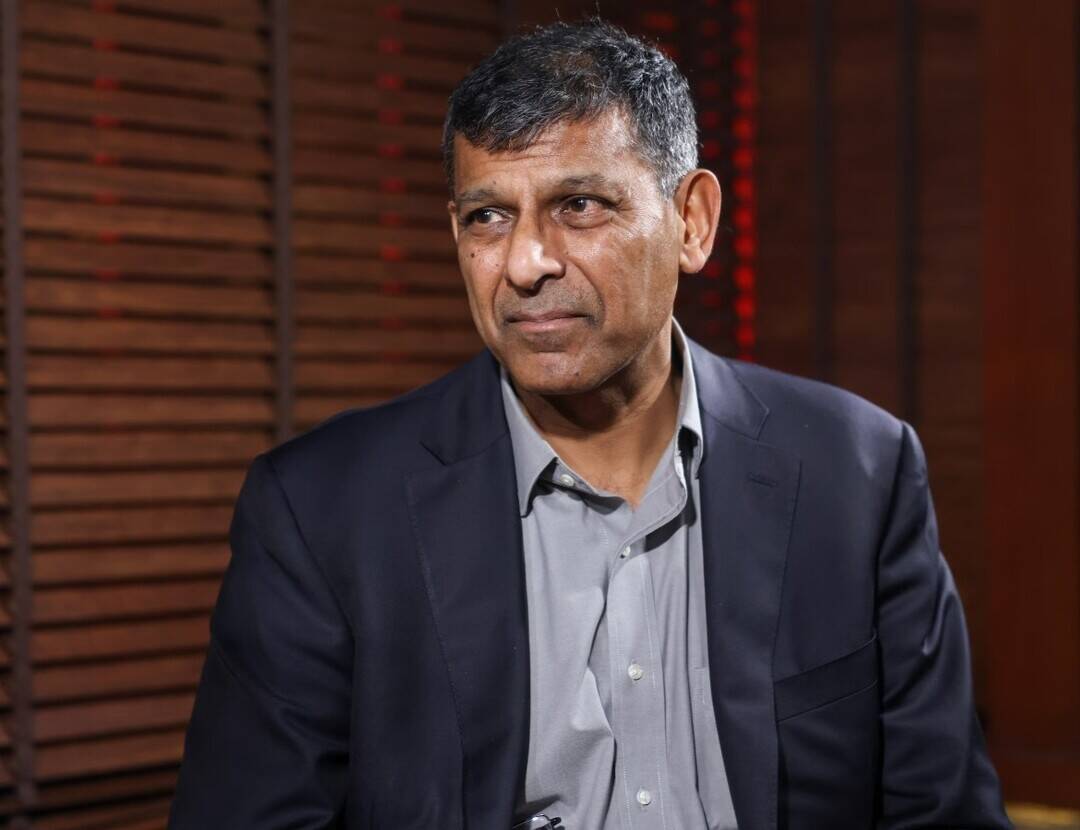
Plumbers will survive AI: Raghuram Rajan as he flags shortcomings in Indian education
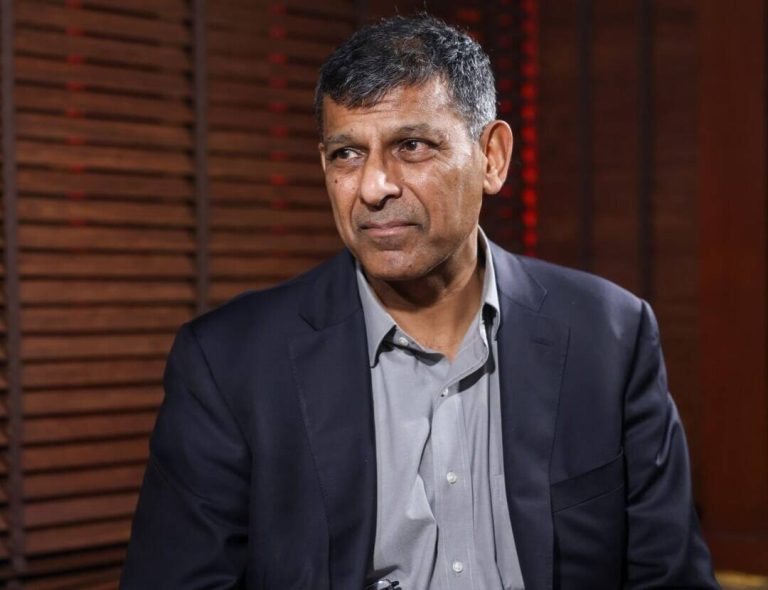
The world is rapidly changing with the advent of artificial intelligence (AI) and automation. Many experts have warned that these technological advancements could lead to significant job losses, particularly in sectors where tasks are repetitive or can be easily automated. However, according to former Reserve Bank of India (RBI) Governor Raghuram Rajan, not all jobs are at risk of being replaced by machines. In a recent statement, Rajan pointed out that hands-on jobs like that of a plumber may survive the AI wave, while a variety of other jobs go away.
Rajan’s comments highlight the importance of skilled labor in the economy. Plumbers, electricians, and other tradespeople possess skills that are difficult to replicate with machines. Their work requires a combination of technical knowledge, manual dexterity, and problem-solving abilities, making them less susceptible to automation. On the other hand, jobs that involve repetitive tasks or can be easily automated, such as data entry or customer service, are more likely to be replaced by AI-powered systems.
However, Rajan’s statement also underscores the shortcomings in the Indian education system. The former RBI Governor emphasized the need for a good skilling model, stating that “it’s not rocket science.” He suggested that Indians must understand that not everyone needs a college degree. This is a crucial point, as the Indian education system has traditionally placed a strong emphasis on academic achievement, often at the expense of vocational training.
The consequences of this approach are evident in the country’s labor market. Many Indian graduates struggle to find employment, despite having a degree. This is partly because the education system has failed to provide them with the skills that are in demand in the job market. On the other hand, there is a shortage of skilled workers in trades like plumbing, electrical work, and carpentry. This mismatch between the skills that are being taught in schools and the skills that are required in the workforce is a major challenge that needs to be addressed.
Rajan’s comments also highlight the need for a more nuanced approach to education and skill development. Rather than focusing solely on academic achievement, the education system should prioritize the development of skills that are relevant to the job market. This could involve introducing vocational training programs, apprenticeships, and other forms of hands-on learning. By doing so, India can ensure that its workforce is equipped with the skills that are needed to succeed in an increasingly automated economy.
Furthermore, the government and private sector must work together to promote a culture of skill development and entrepreneurship. This could involve providing funding and support for vocational training programs, as well as encouraging businesses to invest in workforce development. By doing so, India can create a more skilled and adaptable workforce, which is better equipped to thrive in a rapidly changing economy.
In conclusion, Raghuram Rajan’s comments highlight the importance of skilled labor in the economy and the shortcomings in the Indian education system. While AI and automation may replace some jobs, hands-on jobs like that of a plumber are likely to survive. However, to ensure that India’s workforce is equipped with the skills that are needed to succeed in an increasingly automated economy, the education system must prioritize the development of relevant skills. This requires a more nuanced approach to education and skill development, as well as a concerted effort from the government and private sector to promote a culture of skill development and entrepreneurship.
As India continues to grapple with the challenges of automation and AI, it is essential to recognize the importance of skilled labor and the need for a more effective education system. By doing so, the country can ensure that its workforce is equipped with the skills that are needed to thrive in a rapidly changing economy.
About the Author