Plumbers will survive AI: Raghuram Rajan as he flags shortcomings in Indian education
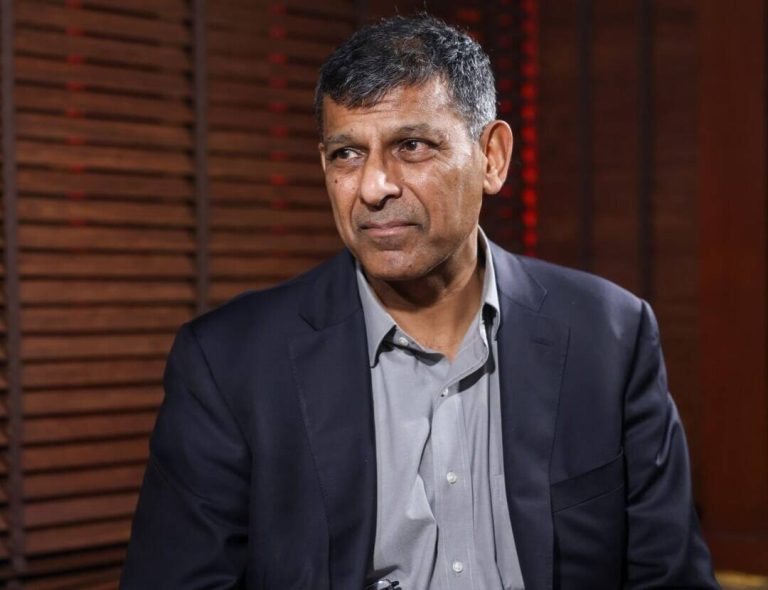
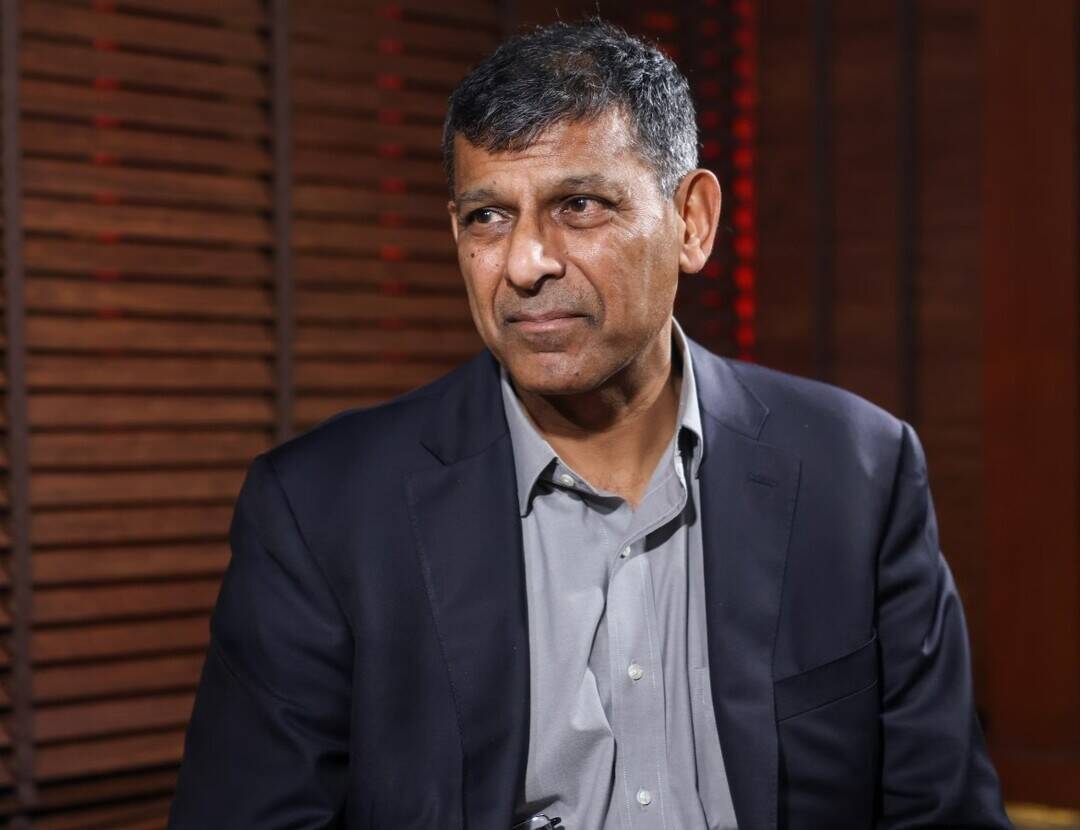
The world is on the cusp of a technological revolution, with Artificial Intelligence (AI) and automation transforming the way we live and work. While many are concerned about the impact of AI on jobs, former Reserve Bank of India (RBI) Governor Raghuram Rajan has a unique perspective on the matter. According to Rajan, hands-on jobs like that of a plumber may survive the AI wave, while a variety of other jobs go away. In a recent statement, Rajan pointed to the shortcomings in the Indian education system, emphasizing the need for a good skilling model to prepare students for the changing job market.
Rajan’s comments come at a time when India is struggling to create enough jobs for its large and growing workforce. The country’s education system has been criticized for its focus on theoretical knowledge, with many students graduating without the necessary skills to secure employment. Rajan’s suggestion that not everyone needs a college degree is a significant departure from the traditional Indian approach to education, where a degree is often seen as the key to success.
The former RBI Governor’s comments are particularly relevant in the context of India’s demographic dividend. With a large and young population, India has the potential to become a major driver of global economic growth. However, this potential will only be realized if the country can provide its youth with the necessary skills and training to compete in the global job market. As Rajan noted, “We need to find a good skilling model…It’s not rocket science.” This statement highlights the need for a more practical and vocational approach to education, one that focuses on developing skills that are in demand in the job market.
The importance of skilling and vocational training cannot be overstated. In a world where AI and automation are increasingly prevalent, it is the skills that are complementary to technology that will be in demand. Jobs that require human skills like empathy, creativity, and problem-solving will be less susceptible to automation, and it is these skills that India’s education system should be focusing on. As Rajan said, “Indians must understand that not everyone needs a college degree.” This statement is a call to action, encouraging Indians to think differently about education and to prioritize skilling and vocational training.
So, what can be done to address the shortcomings in India’s education system? Firstly, there is a need to increase the focus on vocational training and skilling. This can be achieved by introducing more practical and hands-on courses in schools and colleges, and by providing students with opportunities to gain work experience and develop skills in their chosen field. Secondly, there is a need to promote a culture of entrepreneurship and innovation, encouraging students to think creatively and develop their own ideas and solutions. Finally, there is a need to provide more support and resources to students who do not pursue traditional academic paths, such as those who choose to pursue vocational training or entrepreneurship.
In conclusion, Raghuram Rajan’s comments on the survival of plumbers in the age of AI are a timely reminder of the need for India to rethink its approach to education and skilling. By prioritizing vocational training and skilling, and by promoting a culture of entrepreneurship and innovation, India can provide its youth with the necessary skills and training to compete in the global job market. As Rajan said, “We need to find a good skilling model…It’s not rocket science.” It is time for India to take this message on board and to start building an education system that is fit for the 21st century.
About the Author